wellnessfitpro
The day after a shooting last month killed a teenager and injured five people at the Mall of Louisiana, Gov. Jeff Landry blasted what he referred to as “hug-a-thug” policies — reforms put in place prior to his tenure when the state was trying to shed its reputation as the nation’s incarceration capital. He also demanded harsher penalties for violent minors.
“I’m done with them. It doesn’t matter how old they are,” Landry, a Republican, said during a news conference in Baton Rouge. “We’ve got 18,000 acres at Angola — if it was up to me, I would send them all there for the rest of their lives.”’
Landry’s push for harsher punishments that would keep people in prison longer came as little surprise. Soon after his 2024 inauguration, he won a package of tough-on-crime bills that drastically changed the state’s sentencing laws. A Landry spokesperson at the time brushed off concerns from civil rights groups and incarceration experts that it would swell the prison population and plunge the state into financial disaster, insisting that “less crime means greater economic opportunity for everyone.”
Two years later, the governor wants to add hundreds more beds in Louisiana’s largest prison and spend more on medical costs as prisoners stay longer behind bars. His proposed $798 million corrections budget, which the Republican-controlled legislature is expected to pass by June 1, represents a 9% increase from the inflation-adjusted total spent in fiscal year 2024, the last budget passed before his tenure. The increased budget is the first indication that the rising inmate population resulting from Landry’s policies is costing Louisiana taxpayers.
ProPublica and Verite News have spent more than two years investigating how Landry’s policies have impacted Louisiana’s criminal justice system. The number of prisoners paroled under Landry has plummeted to its lowest point in 20 years, due in part to a law he signed that cedes much of the power of the parole board to a computerized algorithm. And the prison population as a whole is expected to become older and sicker since Landry and the legislature eliminated medical parole.
Landry also ushered in a law that lowered the age at which the justice system must treat defendants as adults from 18 to 17 years old to combat what he characterized as an epidemic of violent crime committed by minors. But an investigation by ProPublica and Verite News found that 69% of 17-year olds in three of the state’s largest parishes were arrested for offenses that Louisiana law does not consider violent crimes.
Many experts say the full impact of these changes won’t be felt for at least another decade. The Crime and Justice Institute, a Boston-based nonpartisan public-safety research organization, predicts that by 2034, Landry’s rollback of inmates’ ability to shave time off their sentences through good behavior will double the size of the state’s prison population, double the number of nonviolent offenders being held and cost an estimated $2 billion for new prisons to accommodate the population.
Here is how Landry’s policies have already begun to impact Louisiana’s prisons and budget.
Prison Population Change
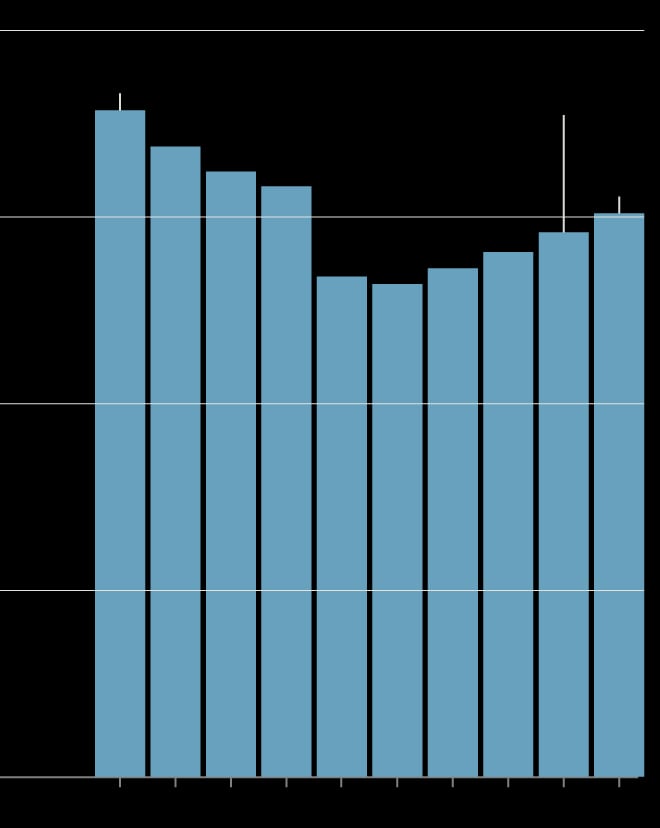
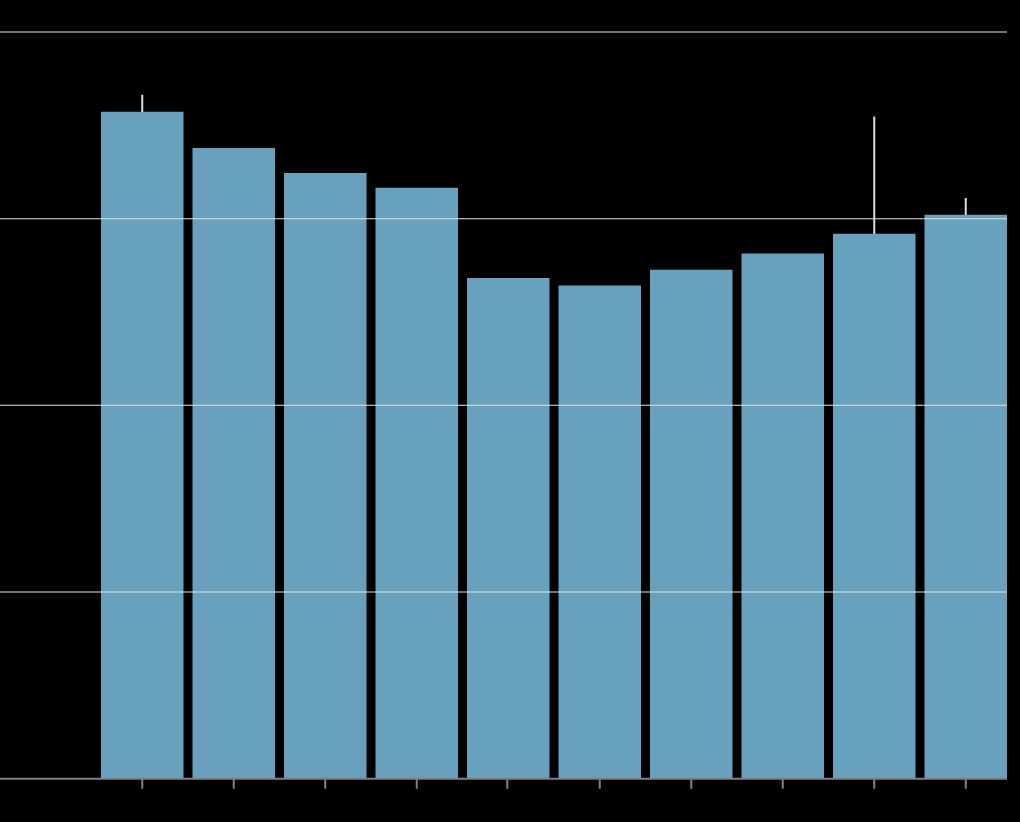
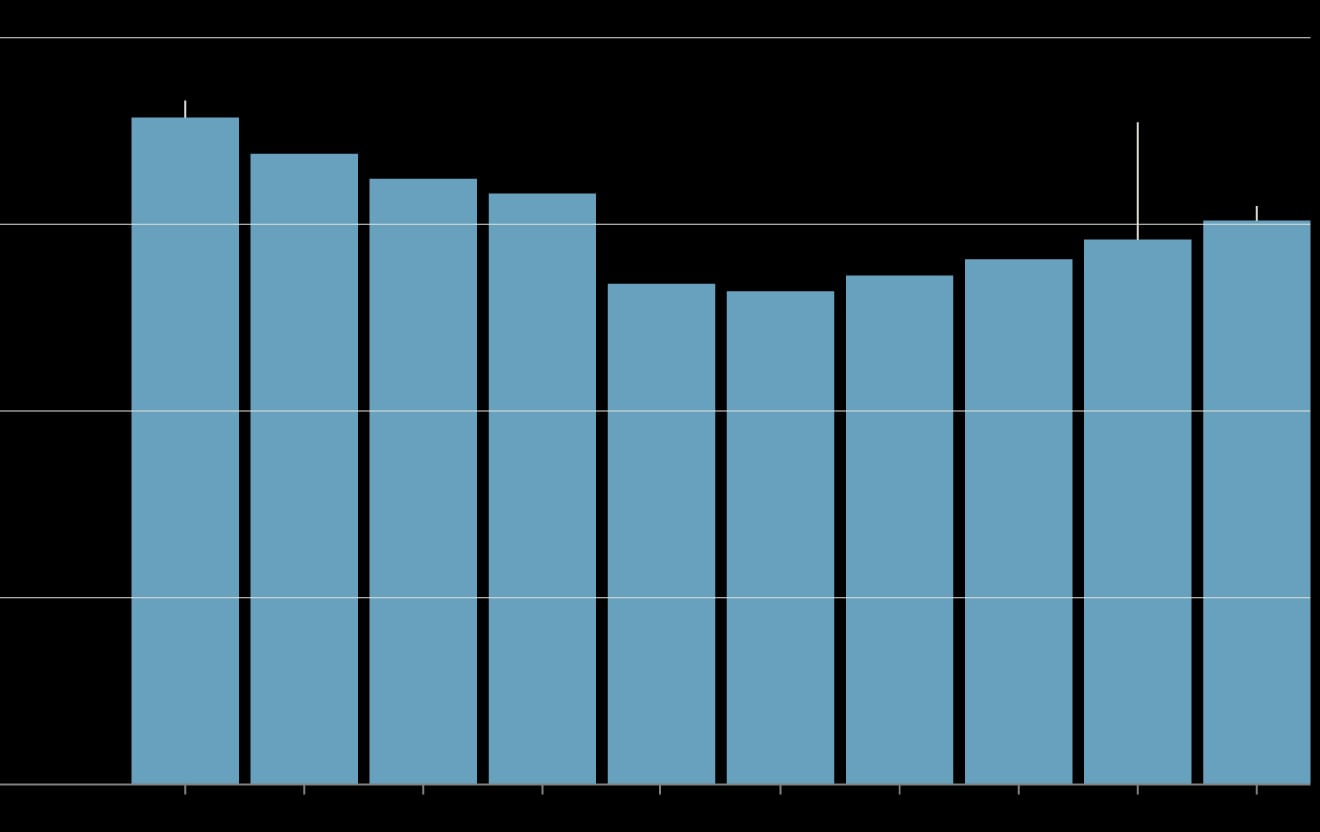
In the two years after Landry took office, the number of state prisoners has increased by about 8%, and Landry’s budget indicates that number will continue to rise. The governor is asking for an additional 688 beds at the state’s largest prison, the Louisiana State Penitentiary at Angola, which will require the hiring of 150 correctional officers.
A corrections department spokesperson said the increased capacity is necessary because under the previous administration, “beds were significantly decreased, correctional officer positions were cut, facilities closed, and funding [was] eliminated.”
In 2017, a bipartisan coalition of Louisiana legislators had passed an ambitious package of bills designed to reduce the number of nonviolent offenders behind bars — and with it the state’s nation-leading prison population.
By 2021, the number of nonviolent offenders in state prisons and jails dropped by 55% and the overall prison population by 26%, according to the U.S. Department of Justice.
Louisiana’s Prison Population Has Continued to Go Up Under Gov. Jeff Landry
After years of steady decline due to a bipartisan prison-reform package, the state’s incarcerated population started climbing again in 2022, after the height of the coronavirus pandemic, as courts reopened and crime rates rose. The increase has continued as a result of Landry’s criminal justice rollbacks.
Gov. Landry’s
term began in
January
Gov. Landry’s term
began in January
Gov. Landry’s term
began in January
Gov. Landry’s
term began in
January
Gov. Landry’s term
began in January
Gov. Landry’s term
began in January
Chris Alcantara/ProPublica
But in early 2024, Landry signed a series of bills that repealed most of those reforms. The governor and his allies in the legislature eliminated parole for anyone convicted of a crime committed after Aug. 1, 2024, and required prisoners to serve at least 85% of their sentences before they can reduce their time through good behavior. The elimination of parole also got rid of medical parole and put additional restrictions on medical furlough — both of which had been offered to severely ill or injured inmates.
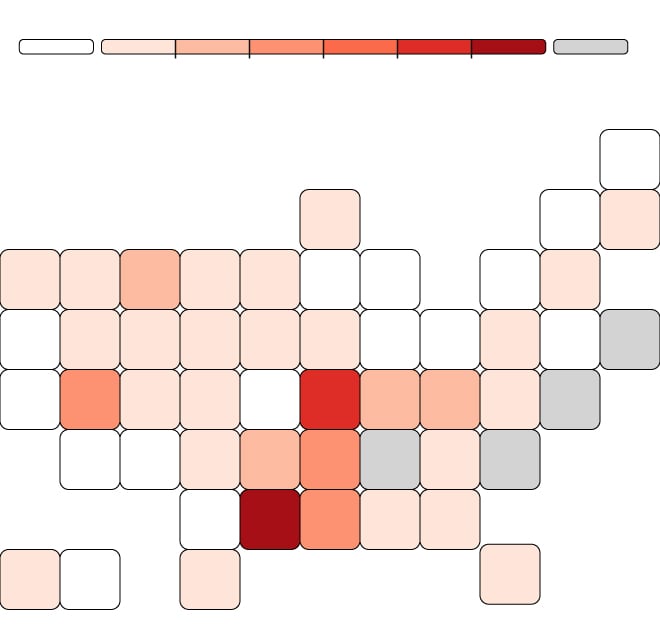
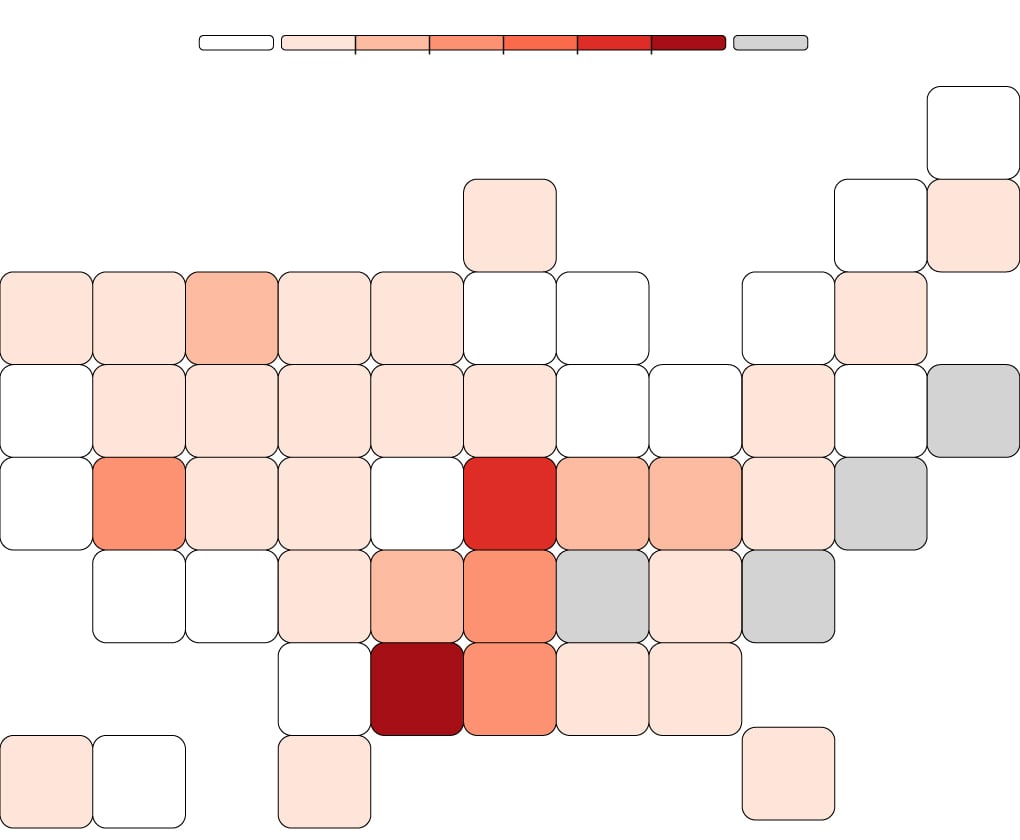
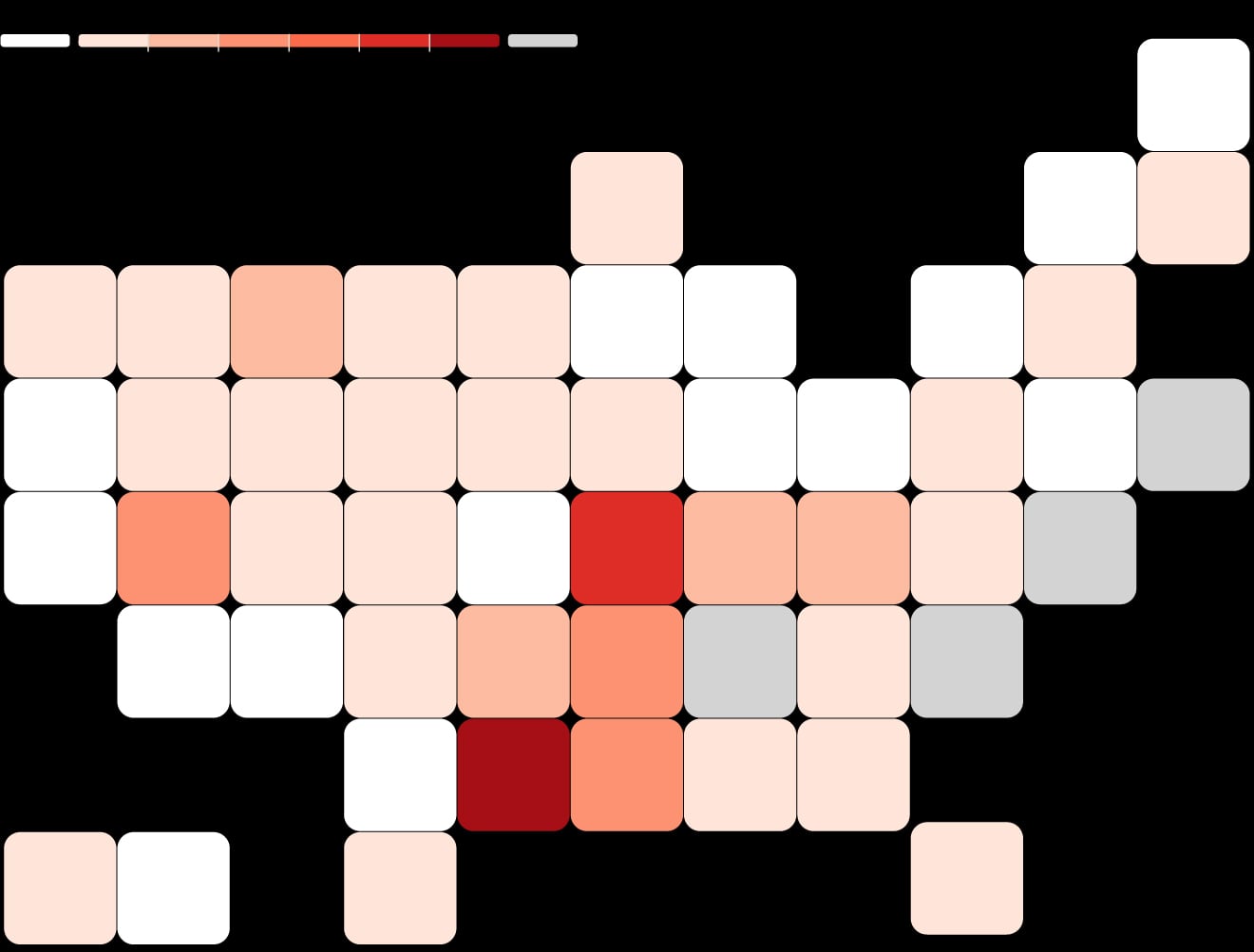
The rising number of prisoners has applied additional pressure on overcrowded local jails, where more than half of Louisiana’s inmates are held instead of state-run prisons. Landry is asking the legislature for an additional $17 million to increase the rate paid to local sheriffs to house state inmates by $3 per day, from $26 to $29.
Louisiana Has More State Prisoners in Local Jails Than Any Other State in the Nation
More than half of Louisiana inmates are held in local jails instead of state-run prisons.
Chris Alcantara/ProPublica
Some lawmakers and prison reform advocates say there are indications that the Department of Corrections is seeing the need for a shift in strategy.
State Rep. Mandie Landry (no relation), a Democrat from New Orleans, said corrections department officials asked her to sponsor a bill that allows prisoners who earn an associate’s degree to shave 90 days off their sentences. And while that might not seem like much, she said, it’s a move in the right direction. “I think they’re realizing that what the legislature did a few years ago is going to explode into a nightmare in prison,” she said.
The legislature passed the bipartisan bill in April.
A corrections department spokesperson declined to respond to questions concerning the impact of Landry’s policies on the prison population and corrections budget, how those policies are impacting inmate medical care and if the department is seeking to gradually reverse any of Landry’s policies. Landry’s spokesperson did not respond to requests for comment.
Rising Corrections Budget
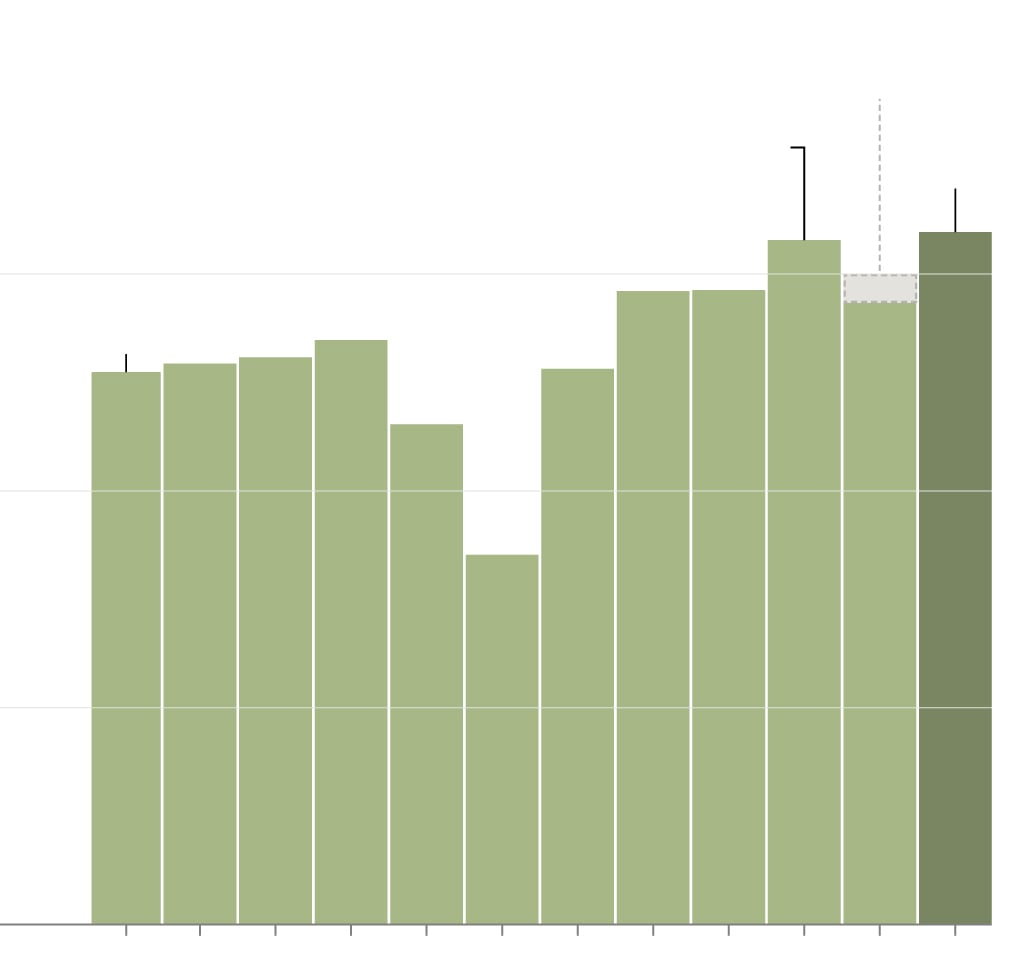
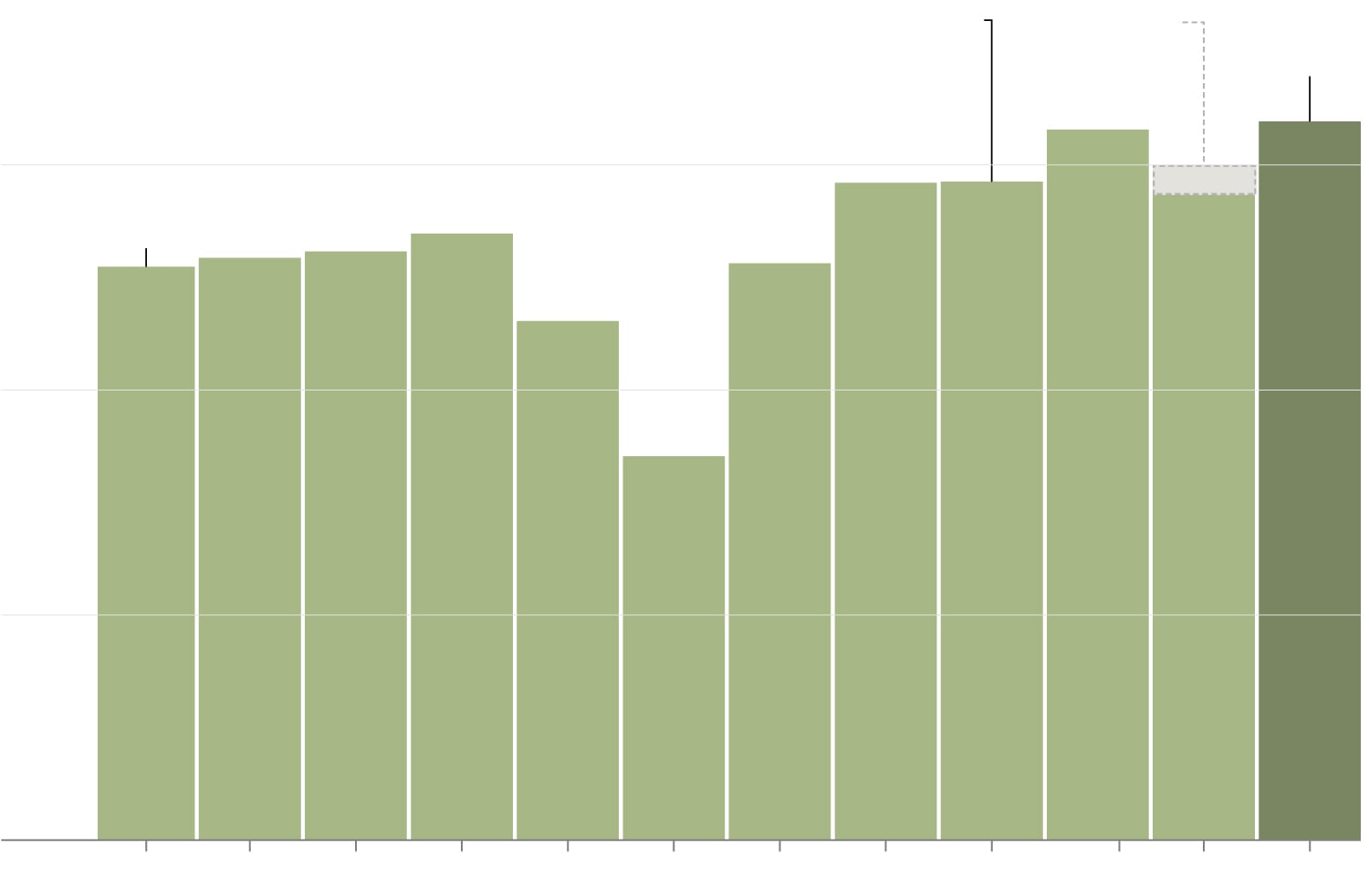
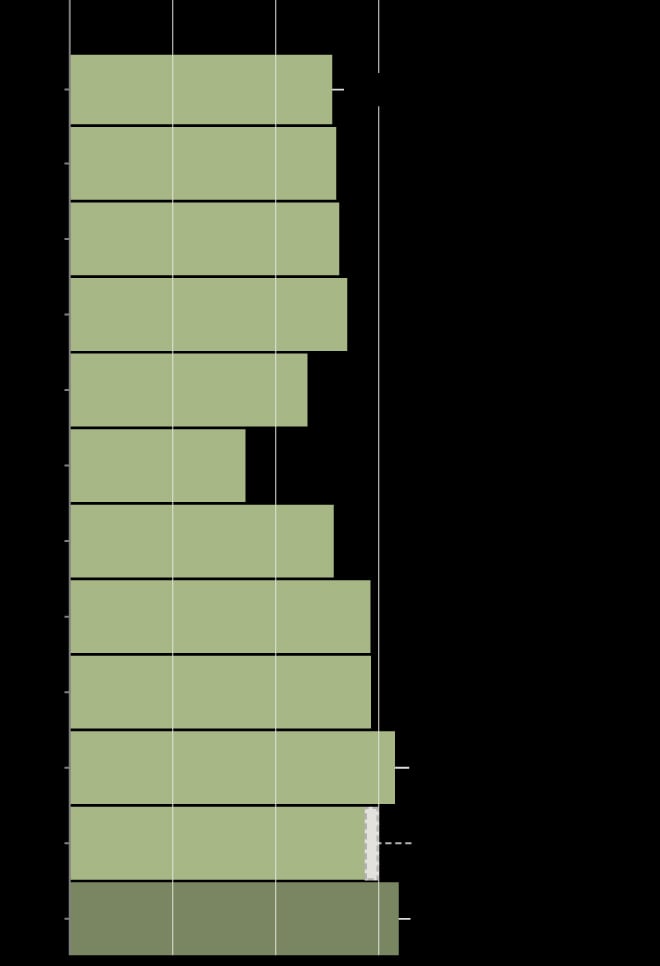
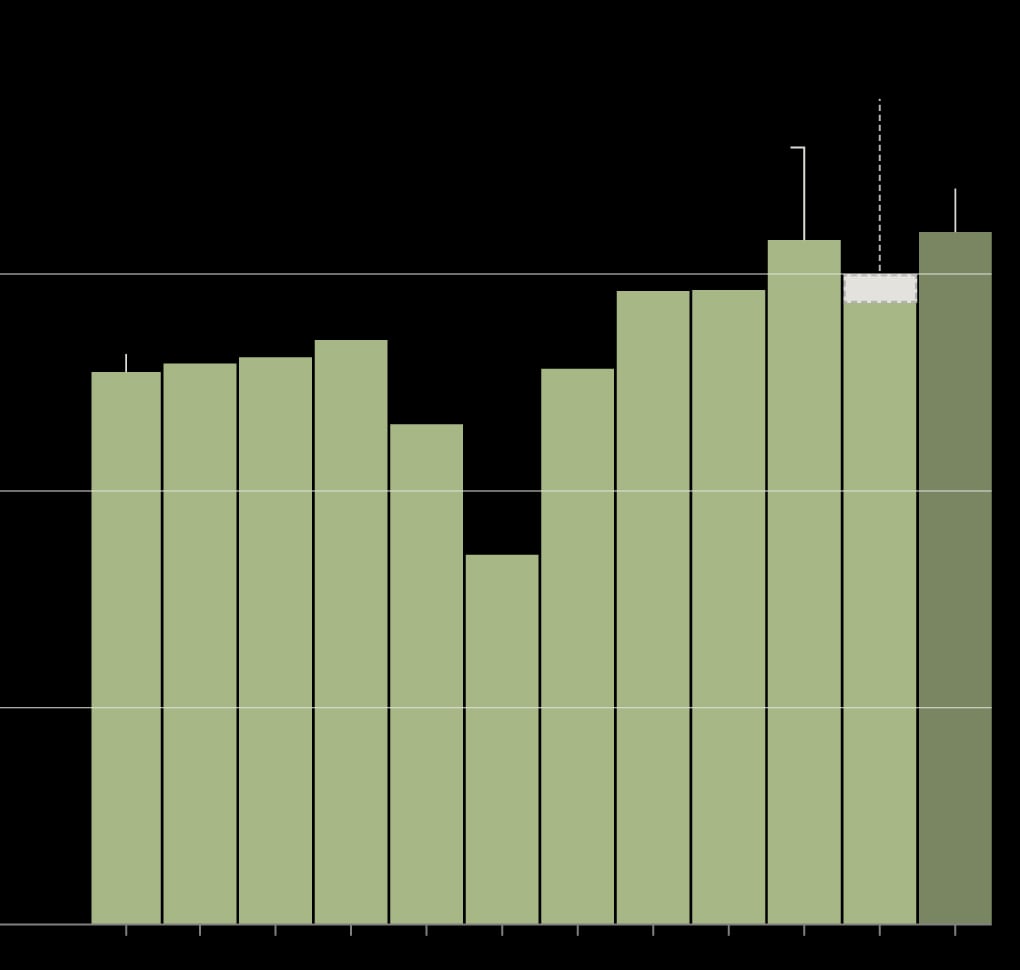
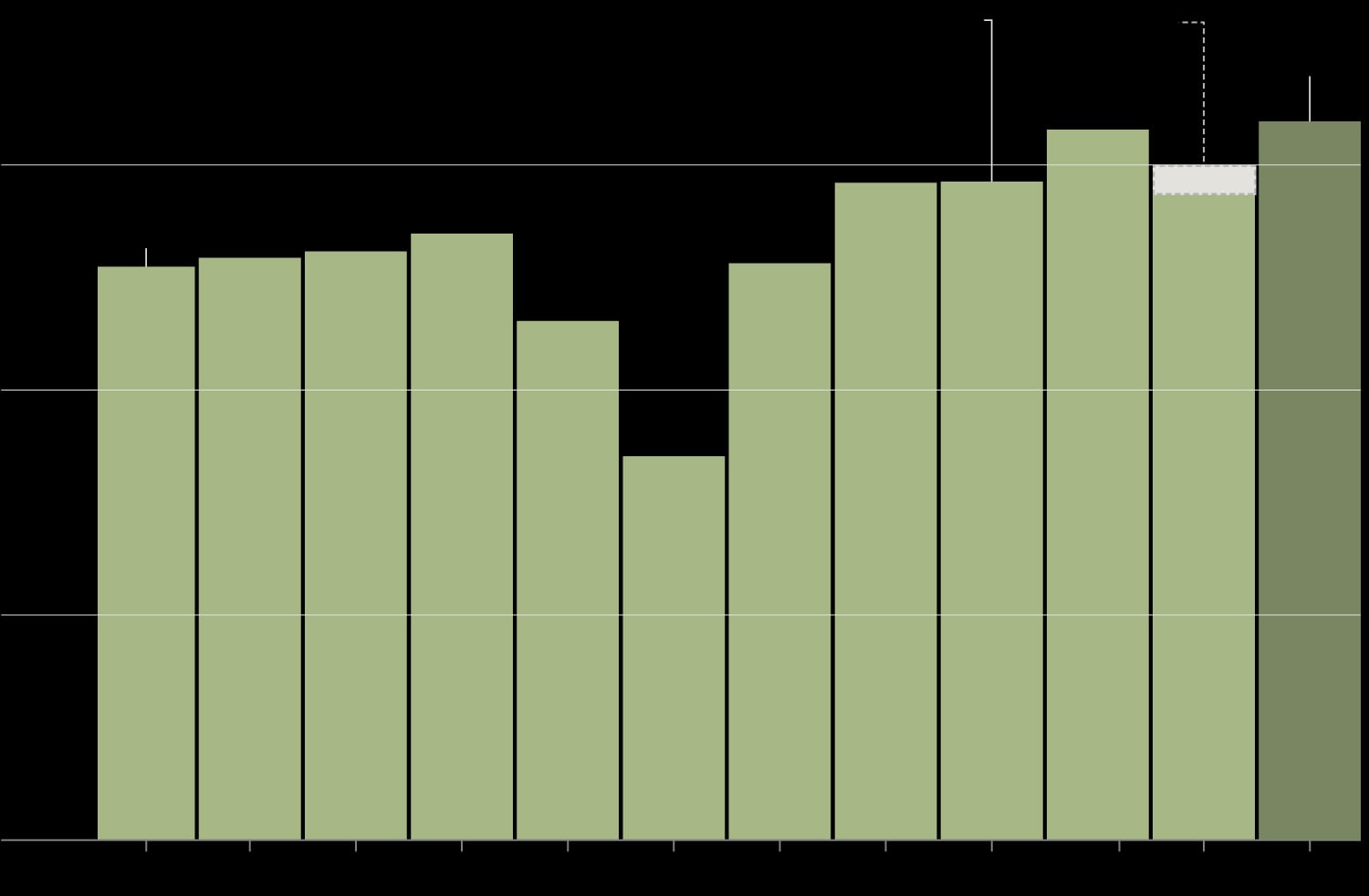
Landry is asking for an additional $82 million for next year’s corrections budget — 11% more than currently allotted. Over the past decade, the amount of state tax dollars spent on correctional services has fluctuated, especially during the coronavirus pandemic, when federal aid temporarily supplemented the corrections budget. But Landry’s policies will ensure the need for additional funds, said James Austin, a national corrections policy expert.
Landry’s Proposed Budget Could Push Statewide Prison Spending to Its Highest Level in a Decade
The actual spending in 2027 by the Department of Corrections could be even higher, based on past trends.
$750 million spent on
correctional services
Gov. Landry’s term
began in January
Proposed
$33 million addition
Proposed
$33 million
addition
Gov. Landry’s term
began in January
$750 million spent on correctional services
Gov. Landry’s term
began in January
Proposed
$33 million
addition
$750 million spent on correctional services
$750 million spent on
correctional services
Gov. Landry’s term
began in January
Proposed
$33 million addition
Proposed
$33 million
addition
Gov. Landry’s term
began in January
$750 million spent on correctional services
Gov. Landry’s term
began in January
Proposed
$33 million
addition
$750 million spent on correctional services
Chris Alcantara/ProPublica
While overall state spending during Landry’s tenure is projected to drop by 2% when adjusted for inflation, corrections spending will increase by 9% if the governor’s proposed budget passes.
“There’s no indication that the need for more beds and more staff is going to flatten out. And I don’t think this governor will talk about increasing taxes,” Austin said. “All that’s left is to cut programs in other areas.”
A new report by the Center on Budget and Policy Priorities in Washington, D.C., determined that the proposed increase in corrections spending would come at the expense of education. Landry has proposed cutting $165 million in education funding, including $40 million for state colleges and universities and $125 million for K-12 education, including teacher pay. (Landry backed a measure that would have paid for teacher raises by liquidating three education trust funds, but voters rejected the proposal in the May 16 election.)
“They have made the decision to boost the funding for prisons while deprioritizing the investments in teachers,” said Michael Mitchell, author of the report.
The state is forced to make cuts because Landry and the Republican-controlled legislature pushed through their 2024 criminal justice bills in less than two weeks without the typical debate over costs, said Sarah Omojola, director of the Louisiana office of the Vera Institute of Justice, a nonprofit focused on criminal justice reform.
“These rollbacks were very partisan and not supported by research, data or even fiscally sound policy,” Omojola said. “They just approved the bills before the legislative staff even computed what the full expenses were.”
A Landry spokesperson did not respond to requests for comment.
Rep. Debbie Villio, a Republican from Kenner who sponsored the 2024 bills that eliminated parole and significantly reduced the ability of prisoners to reduce their sentences through good behavior, did not respond to a request for comment.
“It is my position that this legislation will not ramp up prison population and costs,” Villio texted the Times-Picayune at the time the bills were passed.
An Older, Sicker Prison Population
The need for additional healthcare funds is yet another indicator of the costs associated with Landry’s changes to the state’s sentencing laws, said Bruce Reilly, deputy director of Voice of the Experienced, a New Orleans nonprofit that advocates for the rights of incarcerated people. Without the benefit of parole or the ability to reduce their sentences through good behavior, inmates will spend more time behind bars. That extra time will create an older and sicker population, Reilly said.
The number of older prisoners was already on the rise prior to Landry due, in part, to lengthy sentences secured in the 1980s to 2000s by previous New Orleans district attorneys.
Landry has asked for an increase of $14.3 million to pay for medical care in prisons for the next fiscal year, which begins in July. The administration is also asking for an additional $33 million for the current fiscal year to pay for medical care, overtime and supplies.
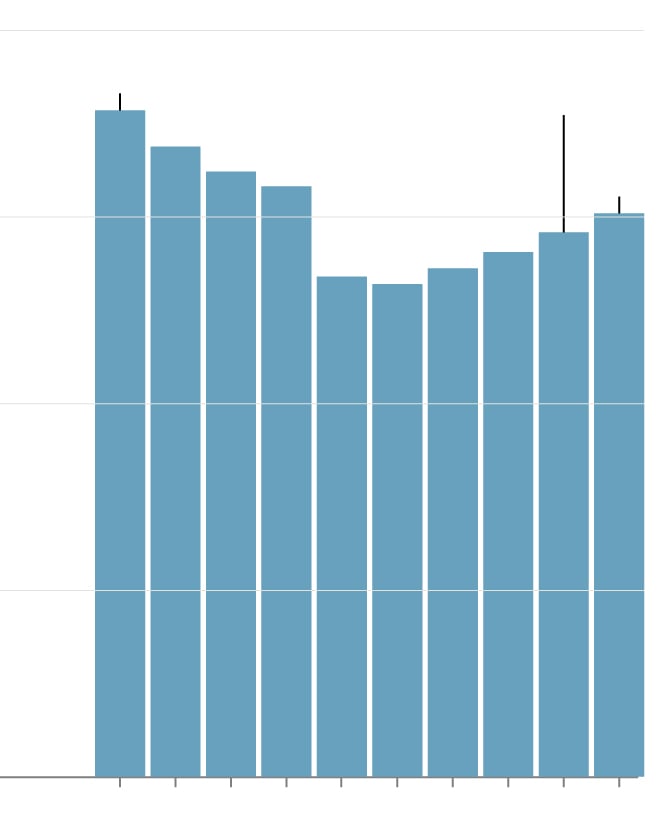
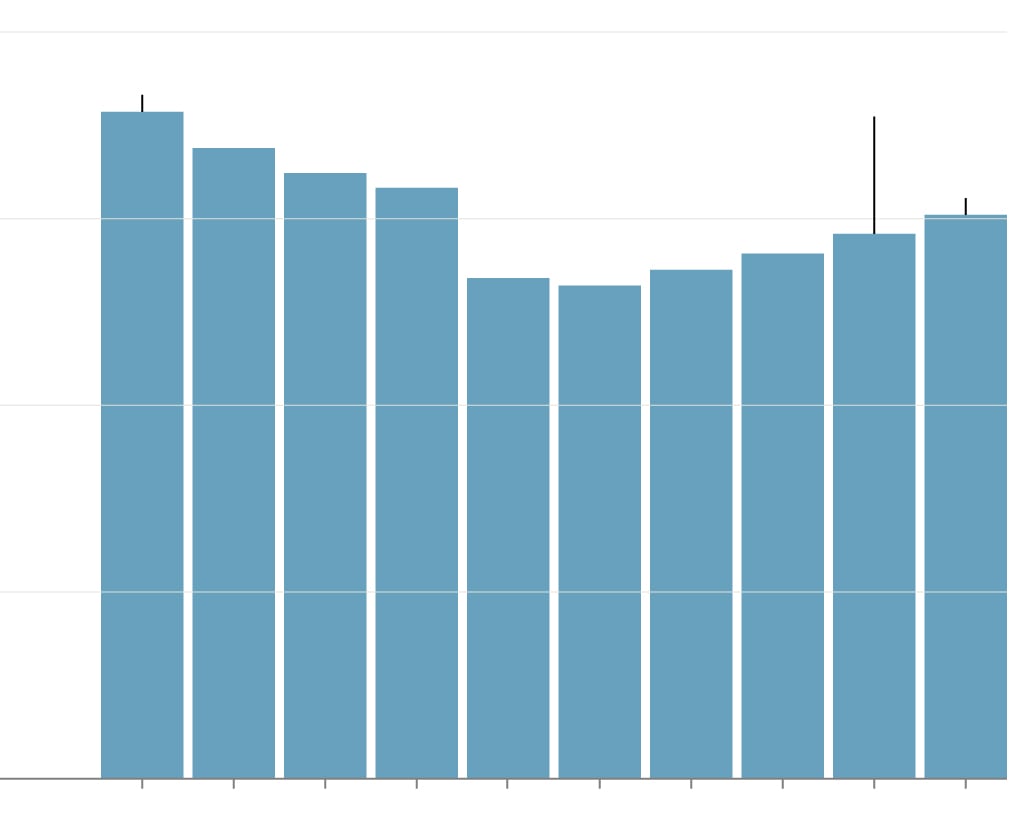
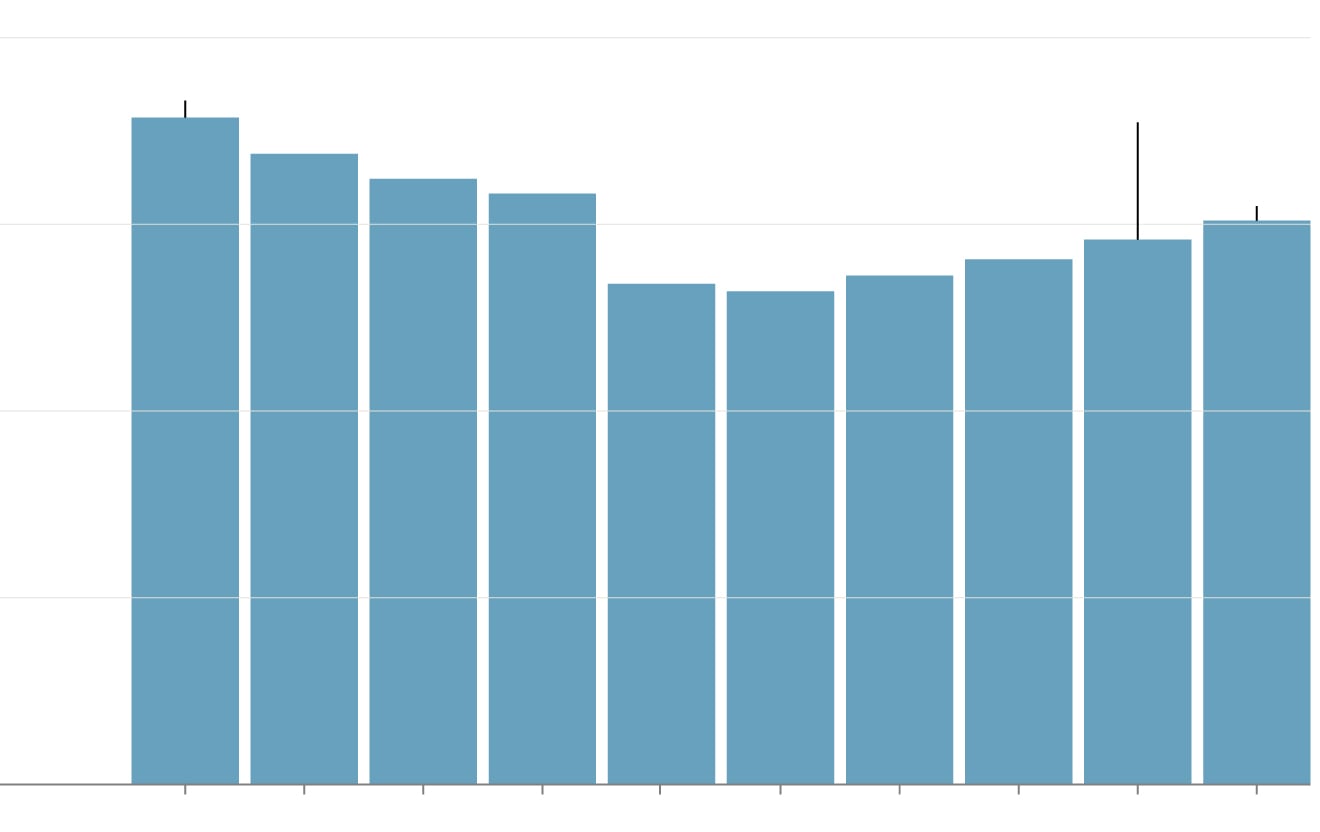
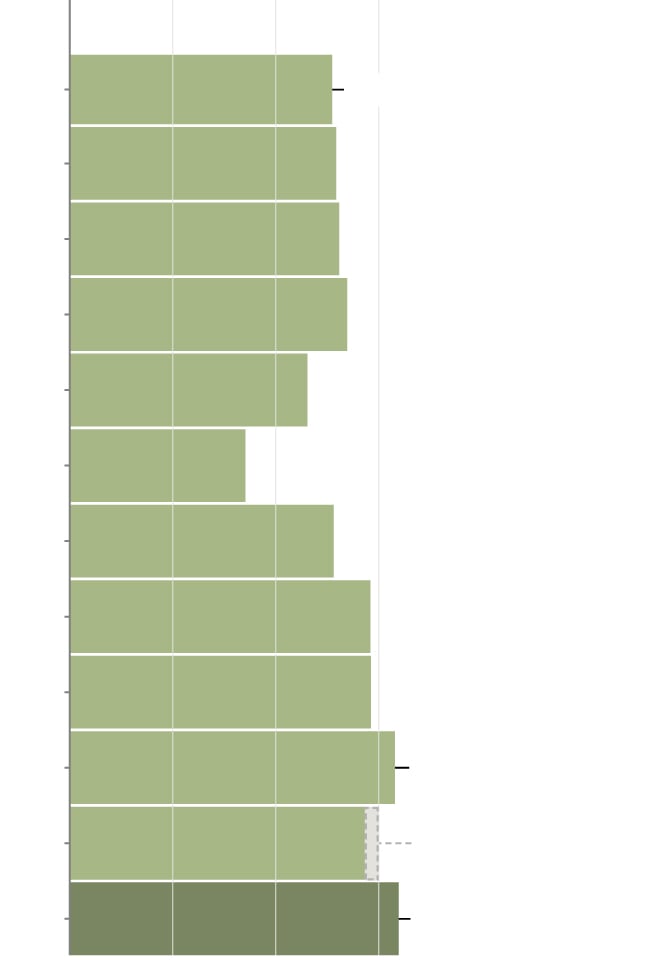
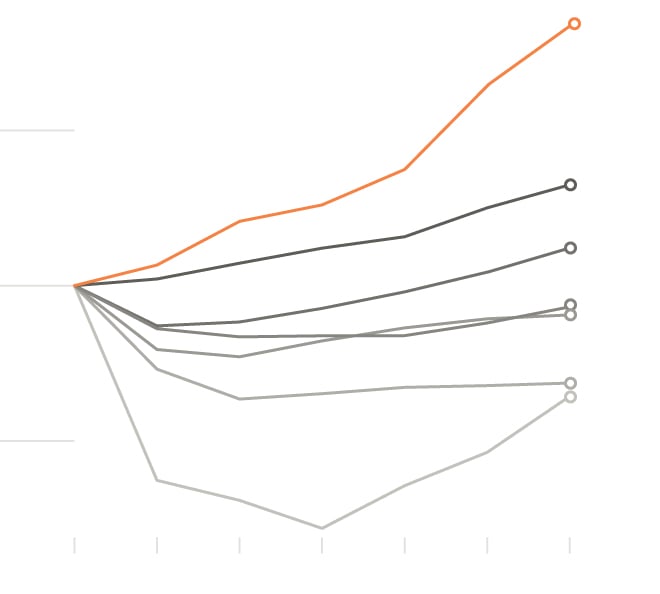
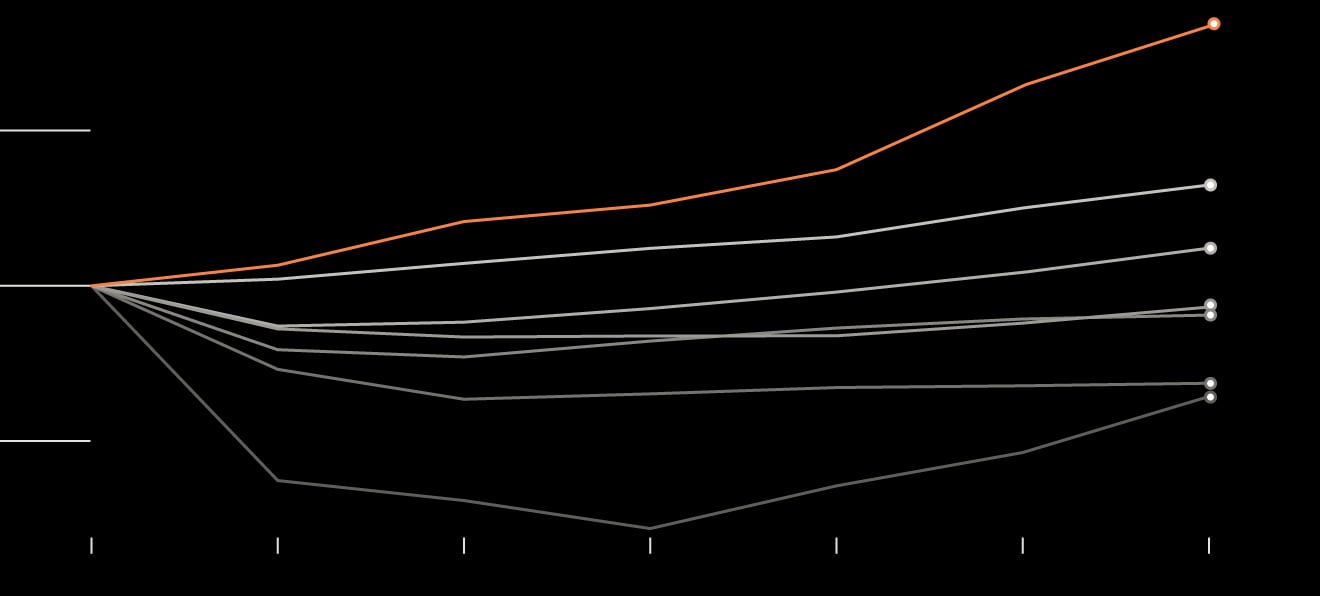
Louisiana Prisoners Over the Age of 70 Experienced the Highest Change in Population Since 2019
Since Landry took office in 2024, the population of prisoners over 70 has gone up 28%, while the overall prison population rose by 8%. Prisoners over 70 typically represent a small portion of the overall prison population.
Change in Louisiana prison
population by age group
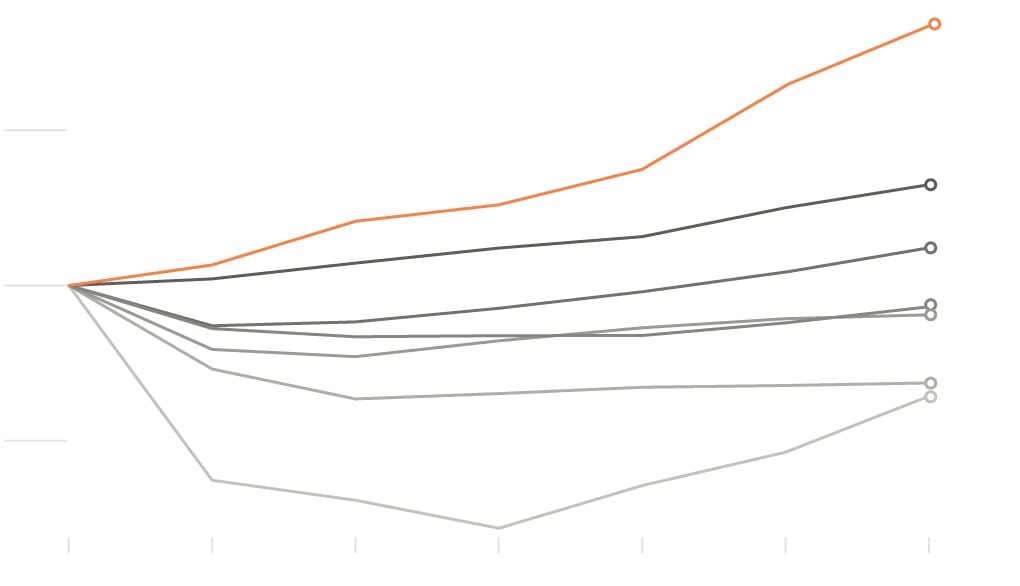
Change in Louisiana prison population by age group
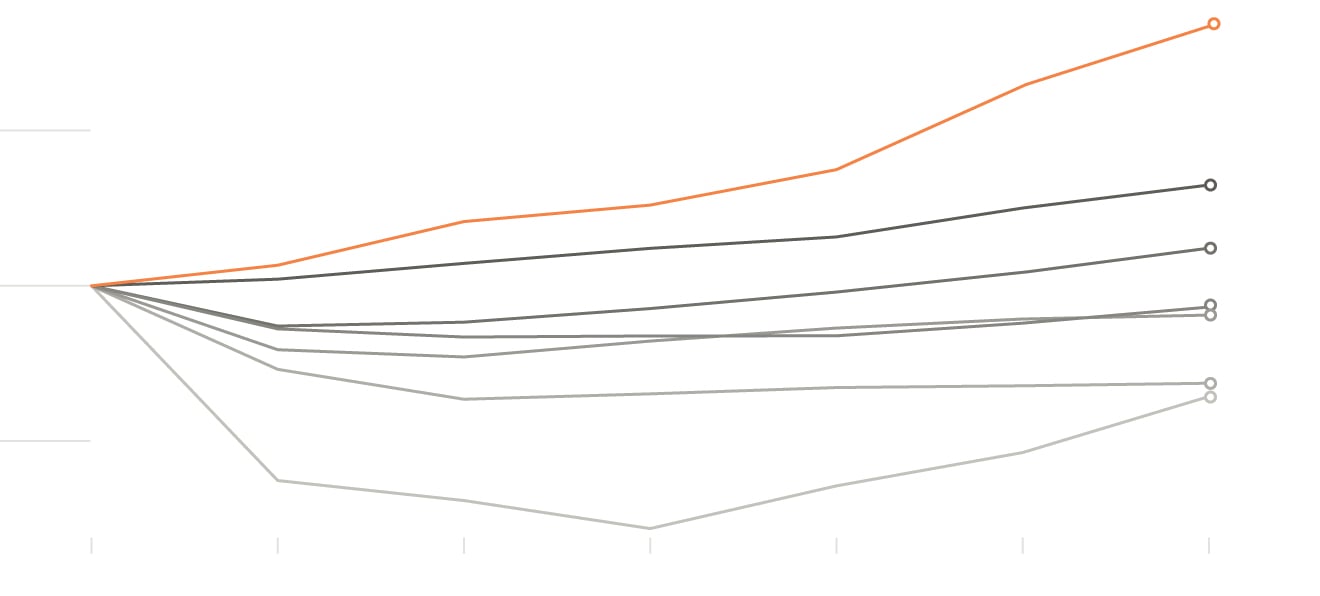
Change in Louisiana prison population by age group
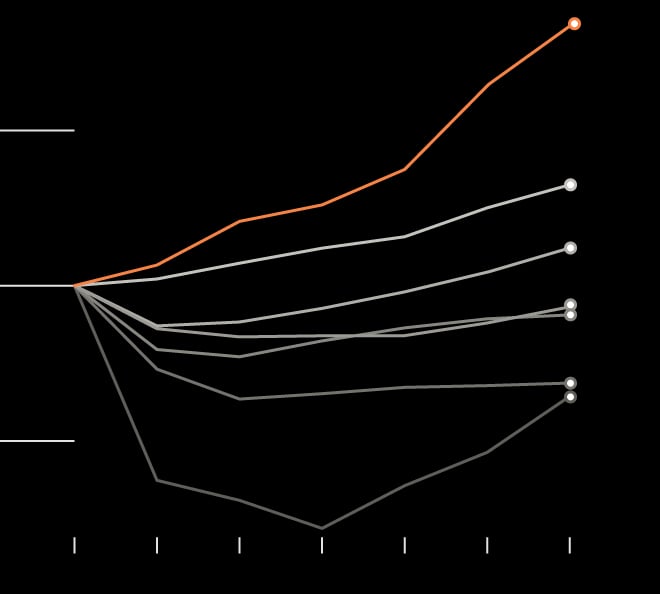
Change in Louisiana prison
population by age group
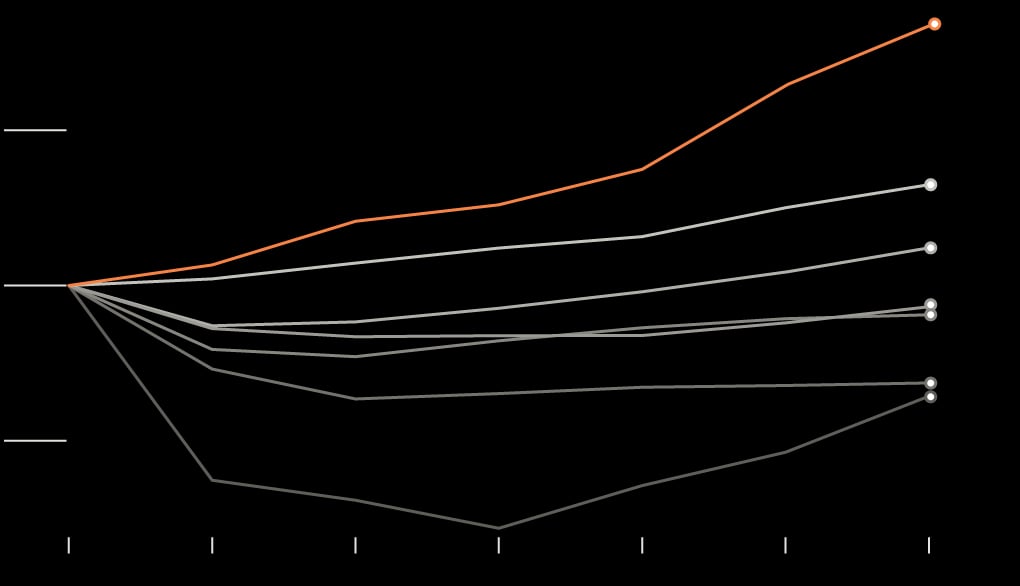
Change in Louisiana prison population by age group
Change in Louisiana prison population by age group
Chris Alcantara/ProPublica
A 2024 investigation by Verite News and ProPublica detailed allegations of unconstitutional medical care provided to inmates being held in Angola’s medical ward. Austin, the corrections expert, said that a medical system that for decades has struggled to care for its most vulnerable will “only worsen” under the strain of a rapidly expanding and aging population.
In March, a federal appeals court threw out a lower-court order to have a court-appointed team oversee medical care at Angola, calling the proposed remedy “micromanagement” that violated the federal Prison Litigation Reform Act. The case has been sent back to the lower court.
For years, as both attorney general and governor, Landry has defended Angola’s healthcare system, claiming that inmates are entitled to only “adequate” medical care — not specialized care or the best care possible.
The legislature proposed two healthcare bills this year that would reduce medical costs. One that would restore medical parole and medical furlough as exceptions to the elimination of parole recently passed. Another, which would expand the time an inmate can be released into hospice, is still being considered.
Current law allows prison officials to release terminally ill prisoners two months prior to their expected death, which is the shortest hospice-release window in the country, according to Families Against Mandatory Minimums, a nonprofit focused on criminal justice reform. The proposed bill would double that time to four months, which would still be the shortest by a wide margin. Alabama, South Carolina and Tennessee have the next shortest window, at six months.
“These people are on their death bed. Some of these people don’t even realize they’re in prison,” said corrections secretary Gary Westcott at a March hearing on the proposed bill. And the costs associated with caring for these inmates can be extraordinarily high, Westcott said.
“We’re talking about changing diapers, feeding them. Most of them cannot do anything on their own,” he said, noting that once they are transferred to a hospital, those costs are picked up by Medicaid.
#Jeff #Landrys #Prison #Budget #Proposal #Stands #Cost #Louisiana #Taxpayers #Millions #ProPublica