wellnessfitpro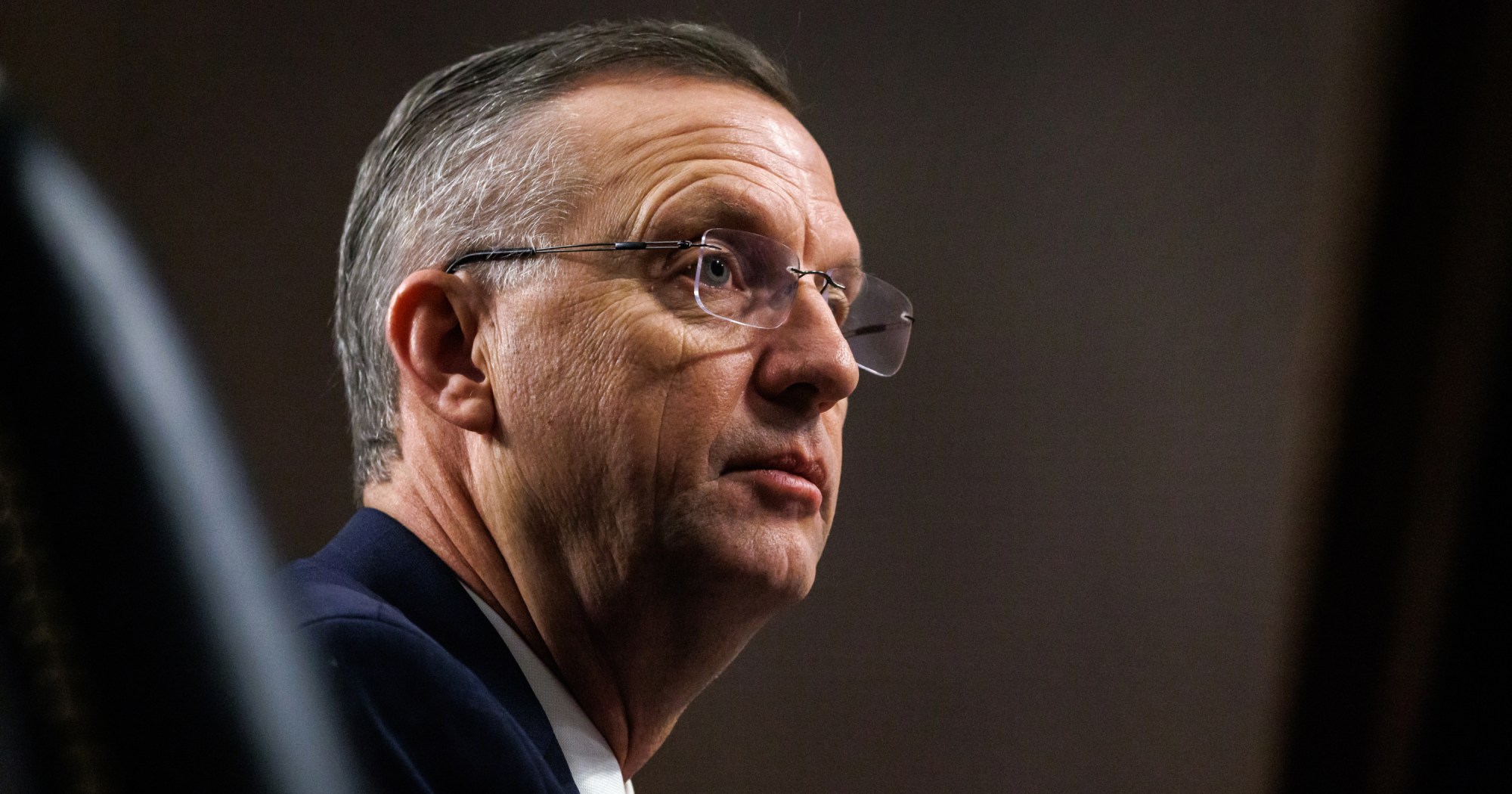
What Happened: More than 60 House Democrats are pressing Department of Veterans Affairs Secretary Doug Collins for answers about how the agency’s mental healthcare has been increasingly strained under President Donald Trump’s second administration. The lawmakers sent the secretary a letter last week asking questions about the state of VA care, citing a ProPublica investigation from this spring that revealed the agency’s mental health workforce has been plummeting and veterans have been left in the lurch.
What They Said: The letter was spearheaded by Rep. Judy Chu, who is a psychologist and represents a district in Southern California. “Caring for our nation’s Veterans is a fundamental responsibility,” the letter says. “That includes ensuring access to high-quality mental health care.”
The lawmakers demanded that the VA disclose details about its shortage of mental health providers and the impact on veterans. It also pushed the agency to lay out how long veterans have to wait for care.
As ProPublica has detailed, while the VA has long had a shortfall of mental health providers, the situation has gotten far worse under the current Trump administration. Hundreds of mental health staffers have left the VA and not been replaced.
Background: ProPublica’s investigation recounted the troubling experiences of both mental health providers and of veterans seeking care.
With so many staffers leaving and not being replaced, the remaining providers have often been stretched remarkably thin.
A psychologist who worked for a VA in Arizona recounted how some of her one-on-one sessions were replaced with online group sessions that included as many as 35 veterans. The therapist said their remaining individual sessions were sometimes limited to as little as 16 minutes.
“It was always bad,” said the psychologist. “And now it’s at a breaking point.”
In VA exit surveys that ProPublica obtained, mental health staffers who quit often wrote that they were no longer able to provide high-quality care.
“Mental Health is understaffed, burned out,” wrote one New York-based staffer who was leaving. “There is not enough mental health care for the Veterans who need the services.”
Veterans, meanwhile, have started to fall through the cracks.
Jason Beaman, a Navy and Army vet, was shuffled among therapists who later left until he finally had enough. “I just quit. I don’t want to mess with the therapist anymore,” Beaman told us this spring.
Why It Matters: After Trump returned to office last year, his administration promised to deliver veterans “the highest quality care.”
The VA is the country’s largest healthcare system, serving 9 million veterans. Those men and women face many mental health issues at a higher rate than the general population. They die by suicide at roughly twice the rate.
VA mental health staff have developed deep expertise in addressing the particular needs of vets. Indeed, studies have shown that vets get better care at the VA than through private providers.
“VA psychologists are best in class,” said Russell Lemle, former chief psychologist for the San Francisco VA Health Care System and now a senior policy analyst at the Veterans Healthcare Policy Institute. “When you lose them, the veterans are the ones who pay the price.”
ProPublica reported that in January, the department had around 500 fewer psychologists and psychiatrists than it had at the same time last year. Recent VA data shows those head counts continue to decline.
Response: In response to questions from ProPublica, VA spokesperson Quinn Slaven defended the agency. “The Trump Administration is solely focused on measuring VA’s success by how well it serves Veterans,” Slaven wrote in an email. “This commonsense approach has led to dramatic improvements for Veterans, families, caregivers, and survivors across the country.”
Slaven said that the VA completed a record number of mental healthcare appointments in the past fiscal year while also lowering veterans’ wait times.
The VA previously declined our request for an interview. Instead, spokesperson Peter Kasperowicz accused ProPublica of attempting to mislead the public by “cherry picking issues that are limited to a handful of sites and in many cases were worse under the Biden Administration.”
After ProPublica shared the findings of its investigation and the names of veterans who would appear in it, the agency reached out to several to inquire about their care and offer help.
The congressional letter gives the VA until Aug. 14 to respond.
#Democrats #Demand #Answers #Vets #Struggles #Mental #Healthcare #ProPublica