wellnessfitpro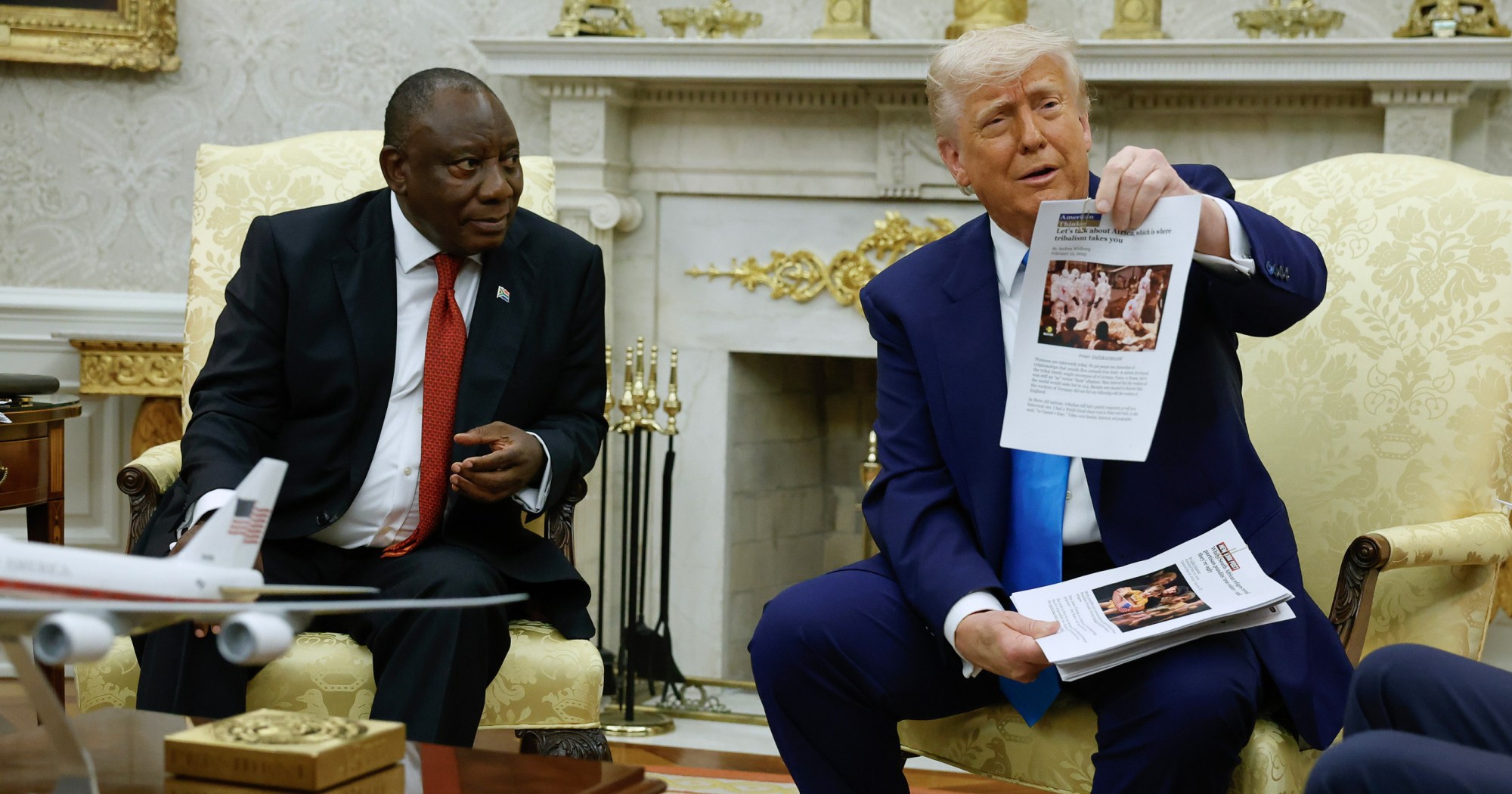
Since he returned to office, President Donald Trump’s administration has upended foreign aid. It’s labeled well-established, long-running programs as “not aligned with American interests” and slashed their budgets.
Still, the billions of taxpayer dollars Congress has allocated for foreign aid programs must be spent; lawmakers have insisted the government continue to fund humanitarian aid, global health and pro-democracy causes around the world. With most of the old programs now gone, however, we wanted to know: What is the Trump administration doing with that money now?
Recently, we published our investigation that found one answer to that question in a little-known bureau of the State Department that has dramatically transformed under Trump. For decades, the Bureau of Democracy, Human Rights and Labor, known as DRL, has supported human rights in some of the most oppressive countries in the world. Now, our reporting found, it’s planning to direct funds to controversial groups supporting right-wing causes in Europe and elsewhere.
Our full story lays out some of the groups the government has considered funding, which include a British free-speech organization that has fought against bans on “gay conversion therapy” and a British American think tank created this year to focus on “existential threats to Britain, to America, and to our shared Judeo-Christian civilisation.” (Administration officials dropped that grant after significant pushback from Congress.)
One proposed grant particularly caught our attention: Trump administration officials suggested funding research on crime against minority populations in South Africa.
It’s clear from sources we spoke with that the key targeted minority population in question is the white ethnic group known as Afrikaners. Afrikaners were responsible for creating the nation’s infamous and brutal racially segregated apartheid system. Previously, DRL staff had been told to begin the process of awarding funds to a group called Lex Libertas, which was founded by a controversial figure who has called for Afrikaner self-governance. The group is currently fundraising to place 3,000 white crosses on the National Mall in remembrance of attacks on South African farmers.
The proposed grant was later opened up to allow a broader set of invited groups to apply for $1 million of funding, though it is still intended for the same purpose, according to people with knowledge of the process. The State Department declined to say whether Lex Libertas will be among those invited to compete, citing ongoing deliberations, but said the Trump administration has serious concerns about the human rights situation in South Africa that need to be addressed. Lex Libertas did not respond to questions about the organization or the proposed grant.
Former diplomats who have worked extensively on human rights told us they were shocked that the victimization of white South Africans would be prioritized over the serious issues elsewhere in the region.
“It’s laughable to suggest that on the African continent, the prime issue of human rights concern is whites in South Africa,” one former agency official said when we asked him about the grant. South Africa is plagued by violence, but extensive research has found that white South African farmers are not victims of crime at higher rates than other groups.
Experts also described the proposed grant to fund research into violence against Afrikaners as keeping with the Trump administration’s overall stance toward South Africa.
For decades, the U.S. relationship with the country has been symbolized by our massive support for HIV care, Mattie Webb, a professor at the Virginia Military Institute who studies South Africa and U.S. foreign policy, told us.
Since Trump returned to office, there’s been a stark shift as the administration has strengthened ties with borderline white nationalist groups that are considered fringe in South Africa.
“The U.S. is very clearly shifting its priorities away from aid that would benefit far more people in South Africa to this narrow focus on the white minority,” Webb said.
In the last 18 months, Trump has argued there is a genocide of white South Africans and used claims that white people are subjected to disproportionate violence to justify cutting off U.S. funding for HIV treatment and research. And even as he’s barred nearly all new refugees from the United States, he’s welcomed white South Africans, fast-tracking their entry.
There have long been tensions between South Africa and the U.S., former diplomats told us, but the aid the U.S. provided saved lives and helped sustain a working relationship that is vital to U.S. national security and economic interests. Now, by seeking to fund a movement antagonistic to the South African government, the U.S. risks driving a wedge between the two nations.
Other grants also raised red flags for experts and lawmakers. Political appointees at the State Department are considering funding a British free-speech organization that has fought bans on discredited therapy practices that attempt to convert gay people to heterosexuality. That proposed $5 million grant would provide support for people facing “deplatforming” and advocate against “restrictive online safety and hate speech laws,” according to a document we reviewed. (The organization’s founder said it had “neither applied for nor been awarded a grant from the US State Department or any other branch of the US Government” but did not respond to our other questions.) And a call for proposals recently released by the bureau would fund research, conferences and cultural engagements in wealthy democracies to develop “civilizational self-confidence in Europe.”
Not all the proposed funding is directed to controversial groups, our reporting found. But even some of the grants slated to fund more traditional human rights projects skirt federal requirements for competitive bidding that are meant to deter waste, fraud and abuse. Instead, officials are trying to direct millions to handpicked organizations, according to sources and documents.
In response to questions about our reporting, the State Department stressed that the process of awarding grants is ongoing and that multiple offices provide input, writing that “programs are still in active deliberation and receipt of a grant is not guaranteed to any organization that does not meet all requirement and standards for federal grants.”
We are continuing to report on foreign aid and the Trump administration’s policies in South Africa. If you have tips or information we should know about either of these issues, please feel free to get in touch with us! Reach out via phone or Signal to Anna Maria Barry-Jester at 408-504-8131 or Sharon Lerner at 718-877-5236.
#Trump #Administration #Suggested #Funding #Afrikaner #Group #South #Africa #ProPublica