wellnessfitpro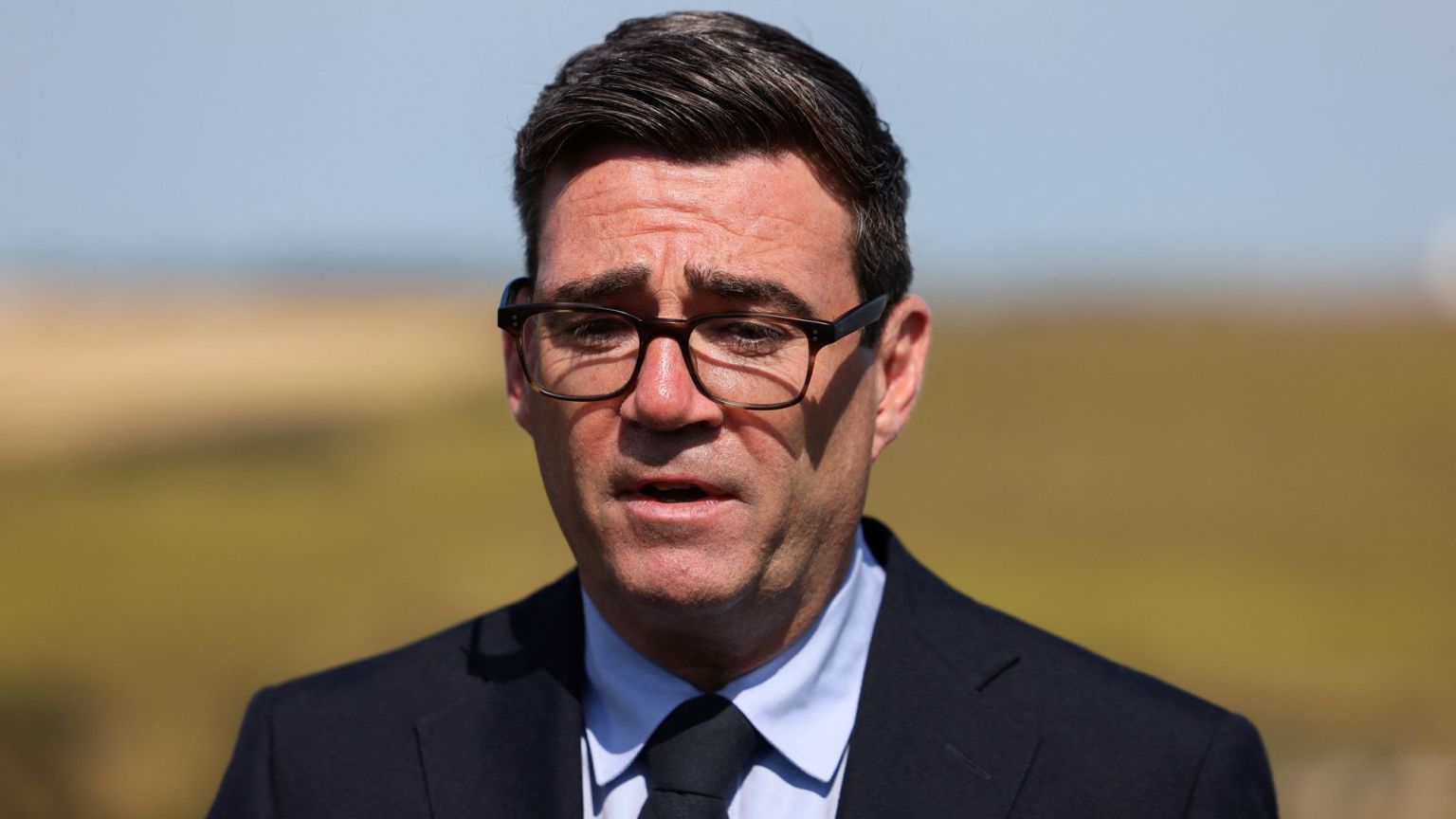
The prospect of PC Andrew Harper’s killers being released from prison early has provoked real public anger. And with good reason. PC Harper, a Thames Valley policeman, was killed in 2019 when he was dragged behind the getaway car of teenagers fleeing the scene of a quad-bike theft in Berkshire. Two of his killers – Jessie Cole and Albert Bowers – stand to walk free after serving just half of their 13-year sentences.
The chair of Thames Valley Police Federation, Aileen O’Connor, whose online petition now has more than a million signatures, called the prospect of the early release ‘an insult to Andrew’s family, his friends, his colleagues and the entire policing family’. A letter signed by 50 police leaders, including every chief constable in England and Wales, has urged Burnham to pursue ‘every legal option’ to prevent the release of Harper’s killers.
Given the level of pressure he is under over this, I suspect Burnham will find a way to keep these two killers behind bars. But the fact it has taken this level of public outrage to overcome ‘computer says no’ inertia is illustrative of the problems of the British state.
Earlier this week, Downing Street was still clinging to the line that it cannot stop the early release of the killers, and that it was ‘not possible’ to make an exception for just these two men. Ministers were told they could not exempt Cole and Bowers individually because they were convicted of manslaughter before parliament passed ‘Harper’s Law’ – a 2022 law that imposed mandatory life terms on people convicted of killing emergency workers while committing a crime. So the very men who prompted the creation of Harper’s Law would not experience its legal effect. A sorry state of affairs all round.
Burnham should start acting like he is in charge and wield the power he holds. In 2020, emergency legislation came in stopping the early release of prisoners convicted of terrorism. It took just 15 days to be made law, and came into effect immediately. Burnham could do the same now for PC Harper’s killers.
There is a good argument for keeping these men locked up. Policemen who commit crimes often receive stiffer sentences, and the Sentencing Council expressly recognises ‘abuse of trust or dominant position’ as an aggravating factor. This makes sense – these individuals have both broken the law and violated the particular trust that comes with the responsibility to uphold it.
The same principle should surely apply in the other direction. If a policeman is killed in the line of duty, it seems right that his killers should receive more robust sentences, with fewer opportunities for early release, because they have killed someone who valiantly put themselves in danger to protect the public. The widespread anger over the PC Harper case suggests that the public sympathises with that sentiment.
But the crux of the issue is of course about capacity. Even if a solution is found to keep Harper’s killers locked up, the early release of 5,000 prisoners will go ahead. The ultimate cause is, of course, the British state’s failure to build enough prisons. We have allowed our penal system to be dictated by planning-permission decisions.
The chronic short-termism of the state is something to behold. In 2011, Kenneth Clarke – then justice secretary in the Conservative-Liberal Democrat coalition government – was justifying prison closures because the prison population was below available capacity. From 2010 to 2014, the Tories added under 500 net prison places – while they built or brought into use around 13,000 places, 12,500 places were closed or taken out of use. In 2013 alone, prisons in Reading, Dorchester and Portsmouth were closed. The Georgian jail HMP Shepton Mallet, which also closed in 2013, is now a ‘heritage attraction’, so tourists can do ghost tours and see what Britain looked like when it was a functioning country.
We must find a way to overcome the absurd planning blockers to getting prisons built. But given the insurmountable challenge this clearly presents to our ministers and mandarins, creative solutions are needed. And Reform UK this week provided some. It said it would build emergency ‘Nightingale’ prisons. It also proposed – to howls of horror from Amnesty International – sending foreign prisoners to serve their sentences abroad, and to that end said it was exploring options with third countries, including in El Salvador.
Well, why not? Reform said the proposals would free up more than 10,000 spaces and enable us to scrap the early release scheme. And there was remarkably little progressive pearl-clutching when cuddly Scandinavian countries pursued the same approach: in 2021, Denmark agreed to pay Kosovo an annual fee of £12.8million across five years to lease 300 prison places.
One of the statistics that has long traumatised me about the British state is that it costs as much to keep someone in prison as it does to send them to Eton. On the latest figures, 2024-25, the average cost per prison place in England and Wales is £59,026. With Eton currently at £65,673, it comes modestly out on top, but the spirit of the point stands. If keeping our most violent foreign prisoners in El Salvador will cost taxpayers only half as much, as Nigel Farage said, as well as protecting the public, I struggle to find a moral argument against the proposals.
Andy Burnham’s unseemly flipflopping over the early release scheme has not suggested a man who knows his own mind. Nor does the prime minister appear willing to consider bold ideas. But given the British state’s dysfunction, bold ideas may be the only thing that saves us.
#early #release #scheme #sign #chronic #state #failure