wellnessfitpro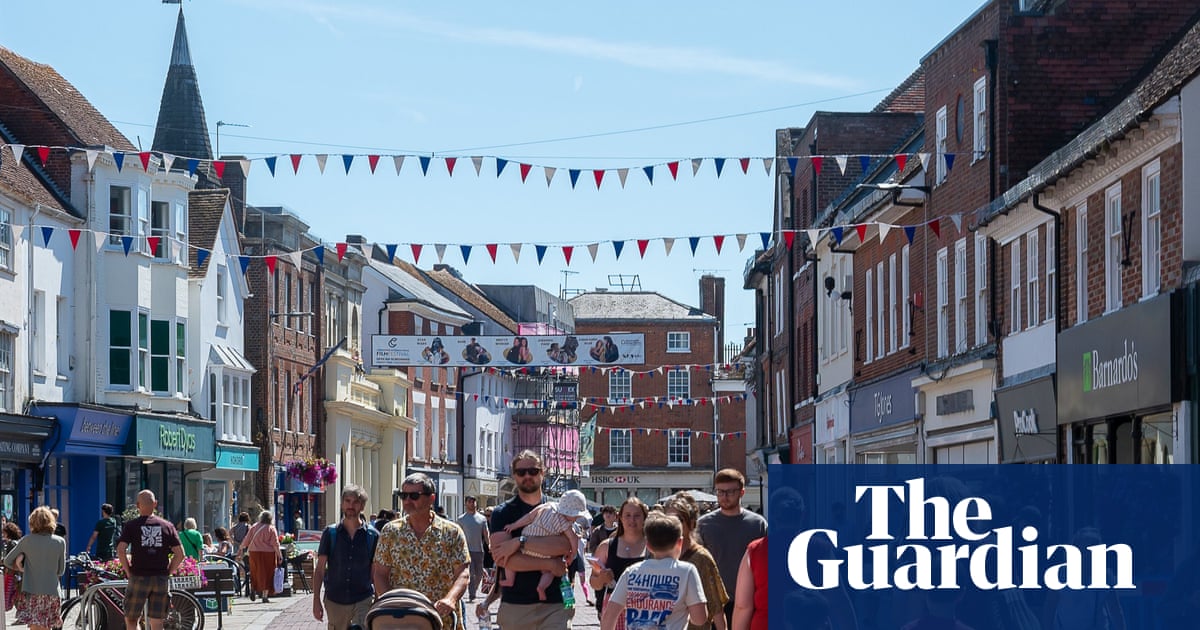
UK inflation rose to 2.9% in July as the impact of the Iran war on energy prices triggered a renewed cost of living squeeze for British households.
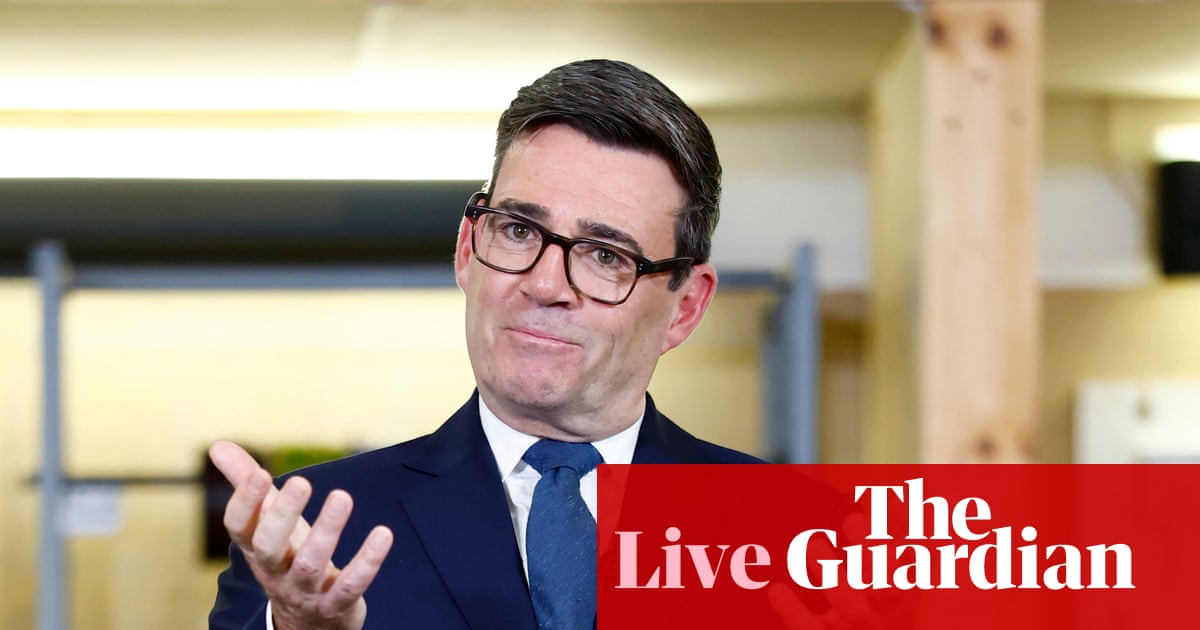
Underscoring the challenge for Andy Burnham’s government to give “breathing space” to hard-pressed consumers, the Office for National Statistics said inflation rose from 2.6% in June.
It comes after British consumers faced the sharpest summer increase in energy charges in four years in July as the US-Israel war on Iran sent shock waves through global energy markets.
City economists had forecast an increase in the consumer prices index measure of inflation to 2.9%.
Against a volatile backdrop in the Middle East, the Bank of England is considering whether to raise interest rates from as early as next month in response to fears over stubbornly high inflation becoming entrenched in the economy.
However, separate figures on Tuesday showing a slowdown in the jobs market – including a fall in job vacancies and a slump in private sector pay growth – could deter the central bank from taking action, according to economists.
Britain’s economy has shown more resilience than initially feared after posting the fastest growth rate in the G7 in the first half of 2026. Inflation had also shown signs of cooling from a peak of 3.8% last year. The headline rate had been on track to fall close to 2% before the outbreak of the Iran war in late February.
However, the fighting in the Middle East and extreme weather hitting food production worldwide had rekindled fears of a renewed inflation increase around the globe.
Threadneedle Street kept borrowing costs unchanged last month as it warned that a worst-case scenario – involving further escalation in the war – could drive UK inflation to a peak of 4.5% by the middle of 2027.
Burnham used his first week as prime minister to announce a series of “breathing space” measures to ease the cost of living, including cutting VAT to reduce consumer electricity bills by an average of £45 a year from October.
after newsletter promotion
The Bank said it expected the policy, alongside a £2 cap on bus fares in England, to lower the headline inflation rate by 0.1 percentage points.
More details soon …
#inflation #rises #Iran #war #fuels #living #costs #squeeze #Inflation