wellnessfitpro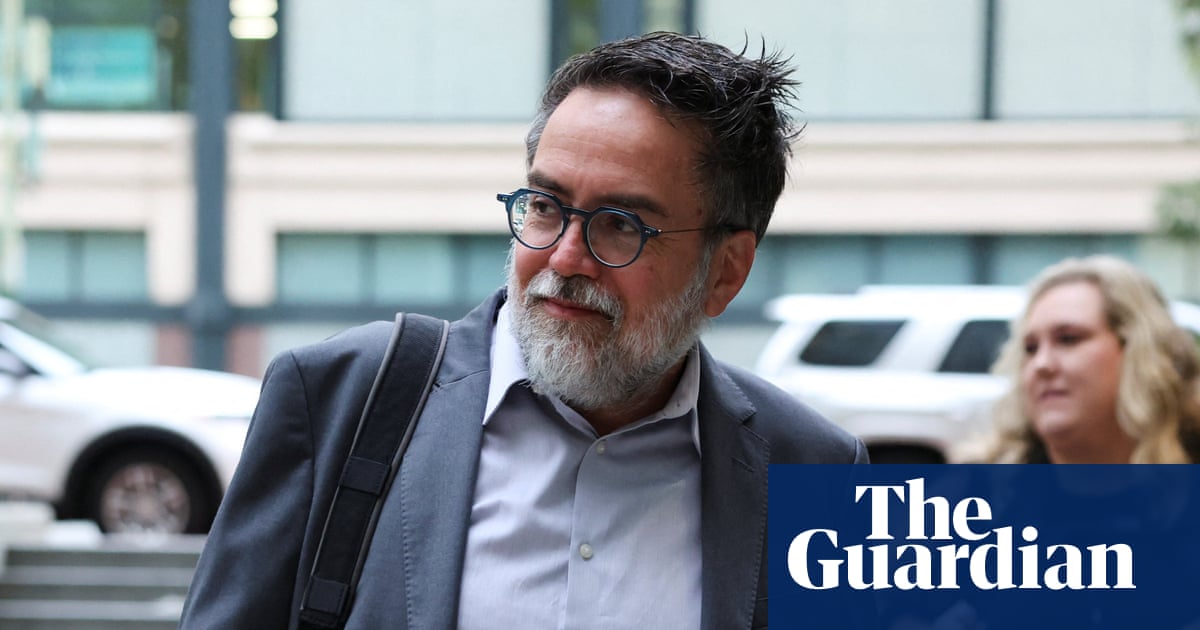
Meta has taken a “don’t ask, don’t tell” strategy when it comes to the safety of children on its social media platforms, according to a whistleblower who testified during a landmark trial against the company on Tuesday and Wednesday.
Arturo Béjar, a former Meta safety engineer, told the jury that the company was aware of the harm its products caused children, which included its recommendations pushing content from sexual predators and violent and graphic images. He said he repeatedly raised the issue to various Facebook and Instagram executives but that they did little to resolve it.
In his testimony, Béjar said his job often included him briefing Meta’s CEO, Mark Zuckerberg, on product issues. He estimated that he spoke to the CEO at least 100 times. One email Béjar sent to Zuckerberg in 2021 showed the engineer warning of constant reports of harmful content on Facebook. Béjar said he emailed Zuckerberg after the CEO publicly said the company doesn’t prioritize profit over safety.
“I felt that he created a false and misleading impression of Facebook’s commitment to young people,” Béjar testified.
Béjar testified that he had emailed findings from surveys of teenagers, who said they had harmful experiences on Instagram, directly to Zuckerberg because, “in my experience, when Mark makes something a priority, mountains move”.
“Did he ever respond to you?” the attorney representing the government asked.
“No,” Béjar replied. “I didn’t hear back from him.”
Béjar was the first witness called to the stand in the federal trial that started with opening statements on Tuesday. The case was brought against Meta by 29 US state attorneys general, who allege the social media company deliberately designed addictive products that lured in young people and led to them being harmed. The legal officials also claim the trillion-dollar company regularly collects data on children under the age of 13 without parental permission in violation of federal and state laws.
“I heard from many of you at jury selection that the health and wellbeing of kids is a shared responsibility,” said Megan O’Neill, deputy attorney general for California, in her opening statements. “Meta didn’t do its share.”
Other witnesses to be called include Zuckerberg and Instagram’s CEO, Adam Mosseri, along with other executives and experts on children’s mental health and addiction. Reams of Meta’s internal documents and emails have also been released as evidence. The trial, which is taking place in Oakland, California, is expected to last at least six weeks.
Meta denies all allegations in the case. Paul Schmidt, an attorney for Meta, said in his opening statements that there was “no dispute” people can struggle with social media, but that Meta had “come up with tools to try and address that”. He added the company did not allow children under the age of 13 to register for accounts on its social networks and that it had disabled more than 1m accounts of those young users.
The sweeping legal proceedings could have profound consequences for Meta. If the company is found liable, damages could be as high as $200bn – an amount equivalent to the company’s 2025 annual revenue. The lawmakers are also asking that Meta be forced to change the design of its products to make them safer for children, which could have lasting effects on the company’s business model.
after newsletter promotion
Whistleblower testimony
During his two days on the stand, Béjar spoke about his research on harm to children as well as Meta’s reliance on advertising to make money. He said features like infinite scroll, which he described as keeping users glued to social networks, had been a boon for Meta.
“On scroll, the more views you have, the more ads you sell, the more revenue you make,” Béjar testified.
The safety engineer worked in senior positions for Meta for about eight years, in two separate stints, and has been an outspoken critic of the company’s child wellbeing practices since leaving in 2021. He has testified before a US Senate committee and has served as a witness in other social media cases that involve harm to children.
One of his motivations for first tackling the issue inside the company was seeing how his own teenage daughter was treated on Instagram. He said she received unwanted sexual advances and photos of male genitals as well as misogynistic insults. Later, she told her father that reporting these abuses through the Instagram’s established processes was either ineffective or not possible.
Béjar said that he started conducting surveys of teen’s experiences at Instagram. He found that 51% of users said “yes” to having had bad or harmful experiences within the previous seven days. Of those users, the content was taken down only 0.02% of the time, according to his testimony.
In a quick back-and-forth, the lawyer for Meta tried to downplay Béjar’s testimony. He highlighted the engineer’s good working relationship with both the company and its leadership, asking questions like “You had the support of Mr Zuckerberg?”, “You did not leave on bad terms?” and “You’re still proud of the work you did at Meta?”
To all, Béjar answered “yes”.
#Zuckerberg #lied #concern #child #safety #Meta #whistleblower #testifies #landmark #trial #Meta