wellnessfitpro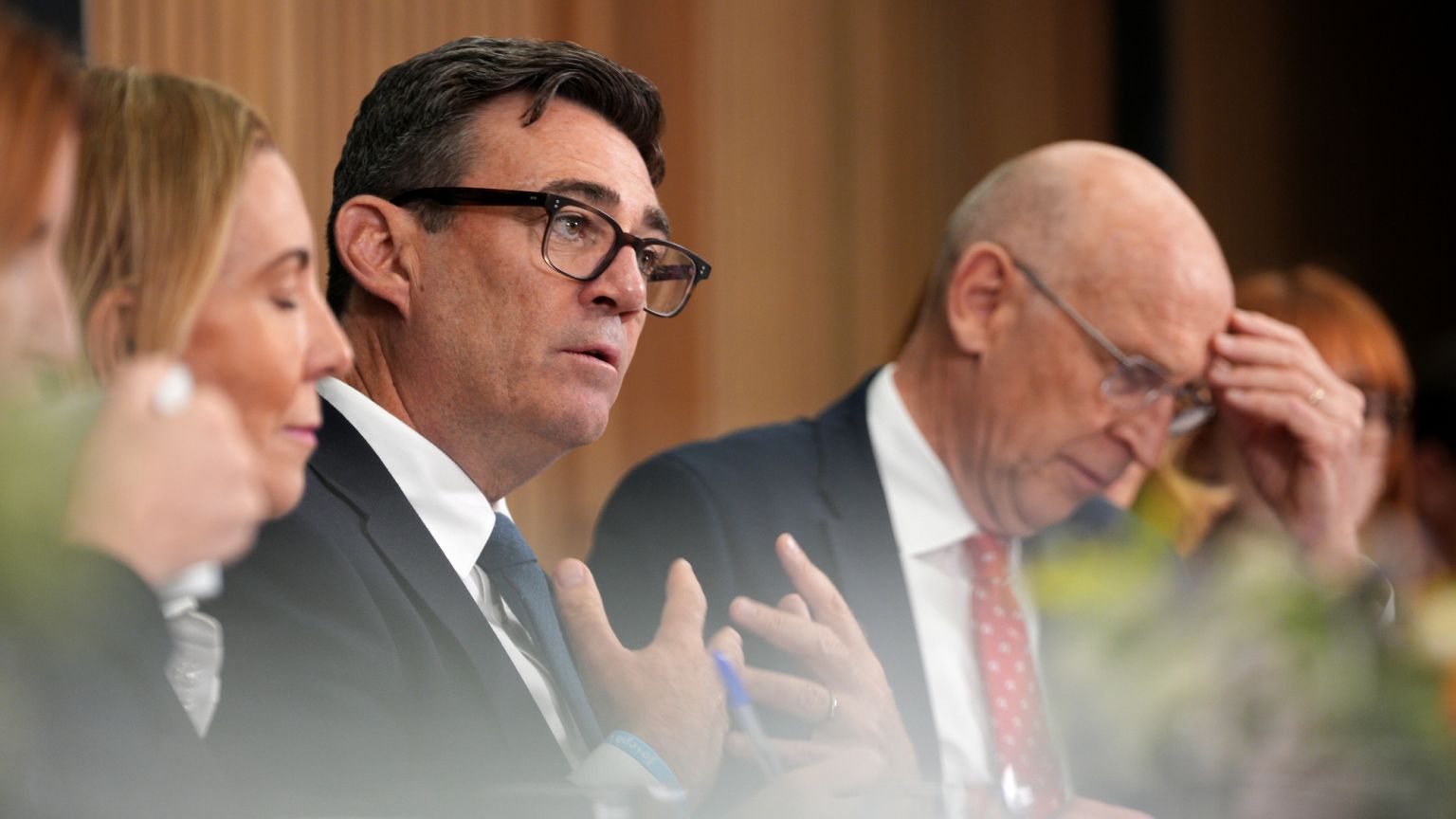
Andy Burnham’s summer holiday is officially over. Even as he tried to project sunny optimism yesterday in his first address to the House of Commons as PM, the economic storm clouds were gathering. A global bond-market sell-off has led government borrowing costs to surge across the developed world – and Britain’s economy stands particularly exposed.
The UK’s bond yields (essentially the interest rate the government pays on borrowing) are surging at the fastest pace since the Liz Truss mini-budget debacle of 2022, and reaching heights not seen since the 2008 financial crash. According to a Bloomberg estimate, yesterday’s market movements alone wiped out £12 billion of the £24 billion in ‘fiscal headroom’ that chancellor John Healey had hoped to be able to bank on for his first budget in October.
The immediate trigger may have been beyond Britain’s control, with the Iran War and the Strait of Hormuz crisis continuing to raise oil prices. But the problems that leave Britain so vulnerable to these external shocks are both entirely domestic and longstanding. Years of sluggish growth and ballooning public spending have brought Britain to the brink of a fiscal crisis. Yet we have seen no evidence so far that the new occupants of No10 and 11 have much desire to deal with this.
When the bond-market rout arrived, the UK was already facing higher borrowing costs than any other G7 country. We were spending £110 billion per year on servicing debt interest alone – more than the Ministry of Defence and Home Office budgets combined. Britain’s budget deficits and stubborn inflation had led lenders to conclude that UK government bonds were a risky proposition, and so they demanded more of a return on their investment. In fact, the UK has been living beyond its means for so long that the last budget surplus was all the way back in 2001, when Andy Burnham became an MP for the first time.
In his statement to parliament yesterday, the PM promised a ‘politics done differently’. Yet everything about his speech pointed to more politics as usual. For instance, Burnham blamed Britain’s woes on the familiar scapegoats of Margaret Thatcher and Brexit. Never mind that Burnham is now the 10th prime minister to succeed her. And never mind that since Brexit, France and Germany have actually grown more slowly than even the laggard UK.
Alarmingly, Burnham failed to allude to any of the factors most responsible for the dismal status quo, whether that be the policies that have sapped growth or the structural causes of runaway public spending. There was no mention of the planning bureaucracy that blocks new construction, sending housing and infrastructure costs into the stratosphere. No mention of the Net Zero diktats that kneecap domestic energy production, keep energy prices high and make heavy industry unviable.
On the spending side, welfare is expected to cost an additional £70 billion per year by the early 2030s, unless serious reforms are made. An ever-growing chunk of that welfare bill is spent on incapacity benefits for working-age people. A staggering one in 10 of the working-age population now claims some sort of disability benefit. And claims are rising fastest for those with mental-health conditions, such as anxiety and depression. Yet the PM didn’t see fit to mention this ticking fiscal time-bomb.
None of Burnham’s ‘solutions’ inspires much confidence, either. The devolution proposals at the centre of his agenda have been tried and tested in Scotland and Wales, with pretty pitiful results. His plans for ‘public control’ over utilities may well bring improvements to the service on offer, but this will not move the needle on growth, as the PM seems to imagine. His most novel-sounding idea – a ‘triple helix approach to economic development’ – merely revives the localised industrial policies that didn’t work for Theresa May. Meanwhile his much-trumpeted cuts to bus fares, VAT on energy bills and business rates for pubs will barely make a dent on the ever-climbing cost of living.
On the right, there has been something of an arms race to declare Burnham a dangerous ‘socialist’, a relic of the ‘bad old days’ of the 1970s, a ‘radical’ who rejects economic orthodoxy. But this framing misses the point. The PM isn’t spooking the markets because he’s promising radical change – but because he is unwilling to disturb a broken consensus.
Dither, drift and inertia are now the greatest threats to our living standards. And Burnham shows no sign of being able to change our nation’s course.
#fear #Burnham #bust