wellnessfitpro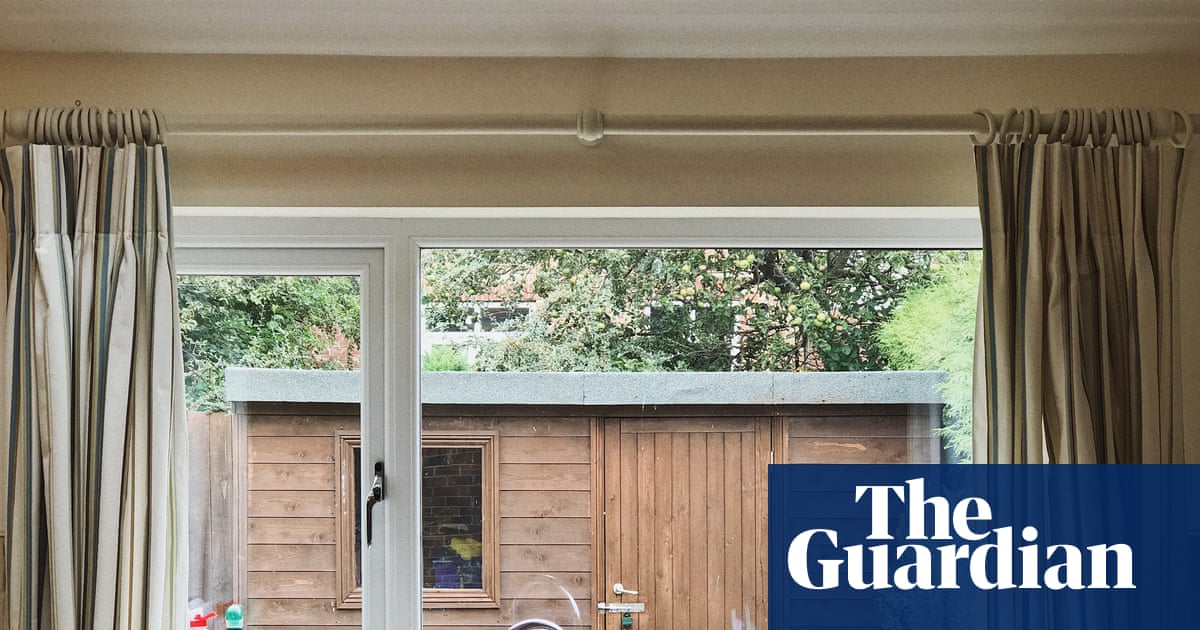
Thank you to Emily Retter for exposing the curse of the prefab garden shed (‘Just look at this monstrosity!’ Inside Britain’s bilious back yard shed wars, 29 September). Perhaps these luxury sheds should come with a health warning: “Do not assemble if you value good relations with your neighbours.”
In our street, shed wars have been fought with ghosting, poo emojis and sinister, overly loud laughter in back yards. In London, it seems that the more open-plan a house is inside, the more likely it is to have a sealed, square-eyed “room” outside in the garden. After all, we all need walls and doors sometimes.
However, neighbours should be heard (faintly, reassuringly), but not seen. It is disconcerting to open your curtains and see your neighbour looking back at you from their garden pod 5 metres away. Someone’s making a lot of money out of aiding formerly civilised people to thieve their neighbours’ privacy and natural sightlines, and their precious peace and air. Planning regulations shouldn’t allow it.
Jane Whitehead
London
Having lived in Australia for the last 18 years, where I continue to research the popularity and regulation of tiny houses, I can assure you – writing from my shed/office at the bottom of the garden – that the issue raised by Emily Retter is not peculiar to the UK.
While there is clearly a need to regulate sheds as much as any other development, the capacity of neighbours to take offence at pretty much anything knows no bounds. And while many are happy if the full force of the law (or the local council) is brought to bear on their neighbours’ “monstrous” intrusion, they will also complain bitterly if their sunlounger or potting shed falls foul of the same regime.
Trying to manage these disputes might be why some planners leave the profession in frustration.
Paul Burton
Emeritus professor of urban management and planning, Griffith University, Brisbane, Australia
Emily Retter fails to mention that garden sheds are increasingly being used to house Airbnb guests, with all the intrusions and friction that that can bring. Planning laws need to get to grips with what happens at the back of houses, rather than adopt an “it’s at the back, so what does it matter?” approach.
Joyce Corston
East Molesey, Surrey
#shedload #trouble #neighbours #Homes