wellnessfitpro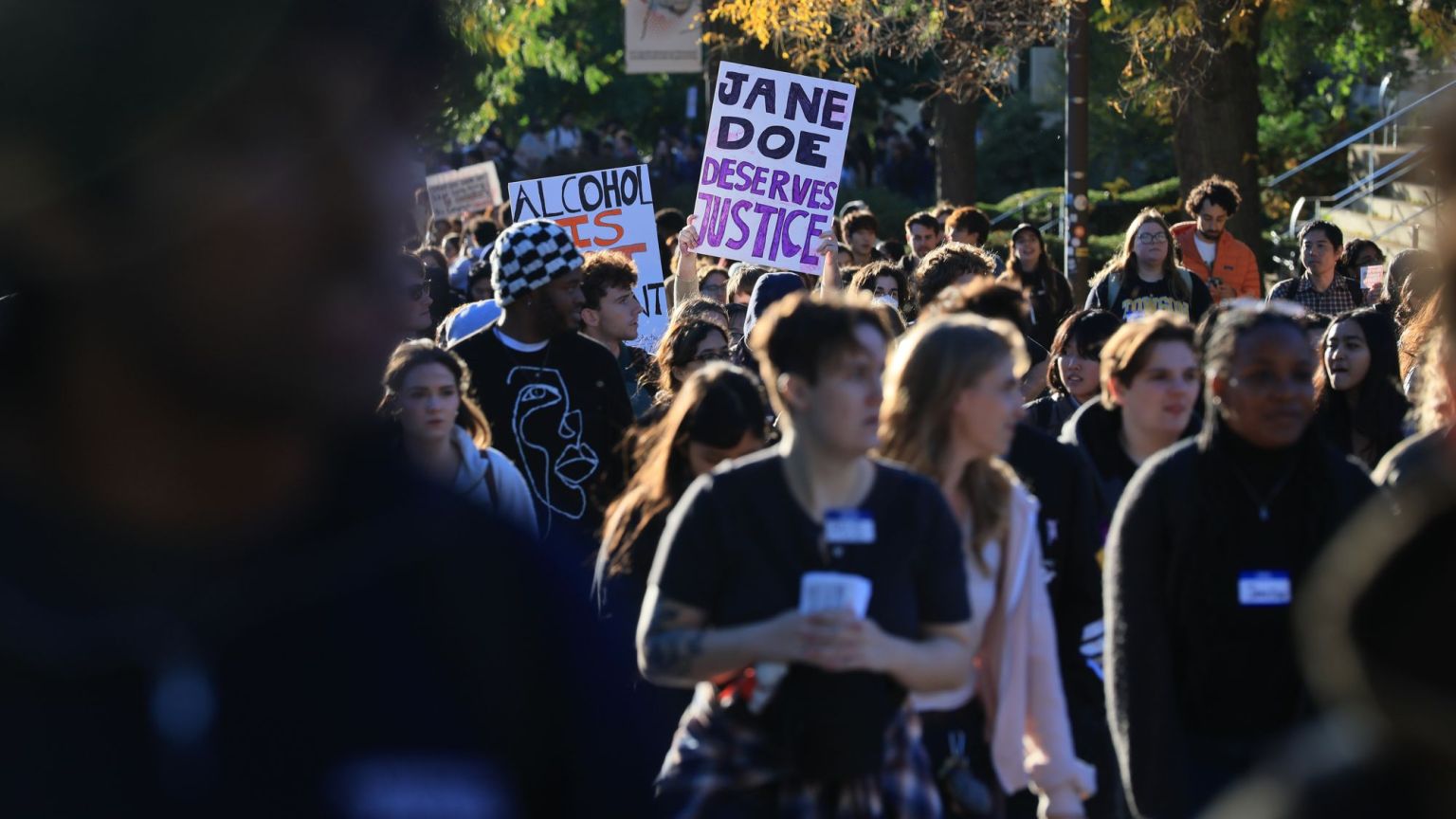
In May 2017, Evergreen College students, tired of hunting down Bret Weinstein, a professor they falsely accused of racism, turned their ire on the institution’s president, George S Bridges. In a filmed ambush that lasted for several hours, students can be seen shouting, swearing and degrading a submissive Bridges, who repeatedly apologises for every misdemeanour levelled against him and appears to agree to all of their demands. His ready acquiescence is embarrassing to watch.
I was reminded of Bridges’ humiliation this weekend while watching the eight-minute video released by the president of Cornell University, Michael Kotlikoff. An ashen-faced Kotlikoff attempts to quell the public outrage that has grown since a former student, known only as Jane Doe, filed a civil lawsuit alleging that, in 2024, she was pressured to take drugs before being sexually assaulted by seven men in the University’s Chi Phi fraternity house. ‘We must do better’, Kotlikoff steadily intones. ‘We must foster a culture in which sexual assault is inexcusable and ensure our community is empowered and understands informed consent.’
Two years ago, Doe’s bid to press charges was dropped after the district attorney found that her initial statement to campus police suggested her actions were ‘voluntary, conscious and consensual’. Meanwhile, a university disciplinary committee took up her case against the seven men – all of whom deny sexual assault. Two of the students were expelled, but others were allegedly allowed to mitigate their behaviour by writing essays – a charge the university denies. Now, at Cornell and across America, anger is growing as campaigners for Doe argue that the university failed to support her, and was too lenient in its treatment of the accused young men.
It seems that, blinded by the glare of publicity, Cornell’s president will say whatever is necessary to calm the angry mob. The complexities of this specific case risk being overlooked in his attempt to convince the world that Cornell will become an environment where sexual assault victims ‘feel safe coming forward’, within systems that ‘are trauma-informed’. Kotlikoff argues that Cornell will become a place where allegations are investigated ‘rigorously and fairly’, but his talk of ‘victims’ and ‘survivors of assault’ suggests guilt and innocence have already been assigned.
Cornell certainly has questions to answer. The disciplinary committee that initially tried Doe’s case met over Zoom. One committee member was allegedly driving while listening to the case, and another is accused of scrolling through different websites. If true, then neither the accused men nor Jane Doe can feel confident that justice was served.
But the Cornell story also raises questions about campus culture, sexual ethics and the behaviour of students. It gets to the heart of a contradiction in student life today: an anything-goes permissiveness exists alongside a new moral puritanism.
Clearly, these forces are not compatible. Men and women are considered equal when it comes to drinking and taking drugs, yet if both parties are intoxicated and rape is alleged, it seems that only men are held responsible for their actions. When it comes to sex, anything goes as long as there is clear and vocal consent. Only a prude would pass judgment! But, in the #MeToo era, rape is defined as regretted sex – even if the regret comes after the event. This combination of permissiveness and puritanism is promoted by university sex-education and consent classes, but it is disastrous when put into practice.
Rather than tackle these thorny issues, many of those now agitating for justice for Jane Doe want to turn the spotlight on fraternities. They claim her alleged rape was made possible because of a disturbing Ivy League fraternity culture. Kotlikoff is happy to pursue this line, arguing in his video that there should be a ‘serious look at the role of fraternities and sororities in campus life’.
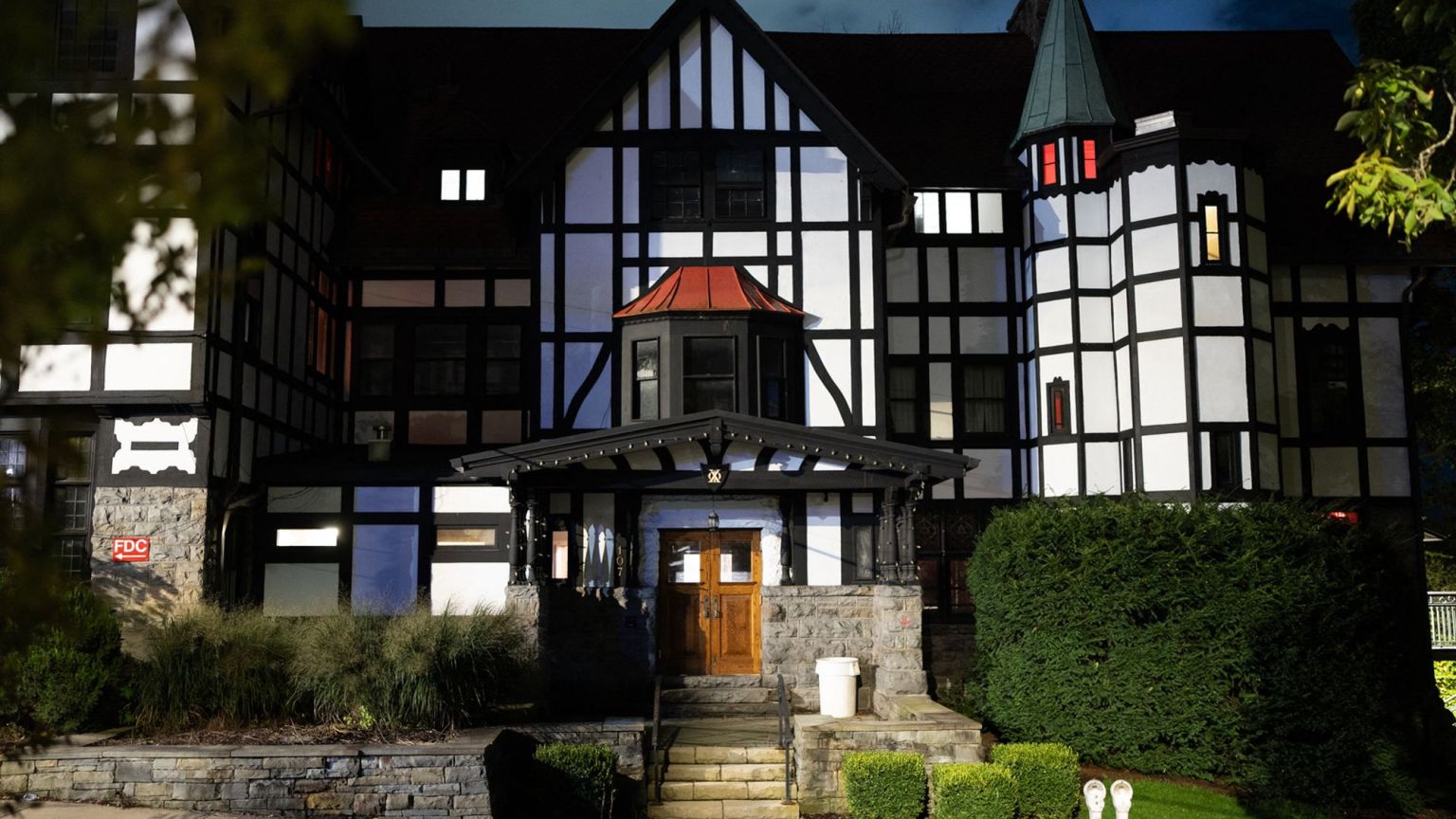
Campus fraternities have long been linked with drunkenness and debauchery. As such, they are a perennial bugbear of ‘progressive’ activists convinced that all-male spaces must be a breeding ground for toxic masculinity and rape culture. As one academic argues, fraternities harbour a ‘hypermasculine culture of proving one’s worth’ and discourage male students from ‘expressing vulnerability’ and ‘seeking help’. With the Cornell 7 rape case now making headlines, some are calling for a complete ban on fraternities. Indeed, Kotlikoff’s call for an investigation into how fraternities and sororities can be better managed comes despite Chi Phi being barred from Cornell since 2024, when Jane Doe first brought her allegations.
Shifting the spotlight on to fraternities lets Cornell and other universities off the hook. They are an easy target that allow college managers to avoid confronting difficult questions about a campus culture dominated by drink and drugs and where students are bombarded with the message that, when it comes to sex, anything goes as long as there’s consent. In a different era, fraternities could be a powerful force for good where men encourage each other to exercise personal and collective responsibility.
In the face of yet another panic about campus rape culture, Michael Kotlikoff should show some authority. It might be tempting to point the finger at fraternities. It might be easier to offer apologies rather than question today’s confused sexual ethics. But sometimes facts are more nuanced than a simplistic divide between victims and perpetrators.
#Cornell #MeToo #meets #permissive #society