wellnessfitpro
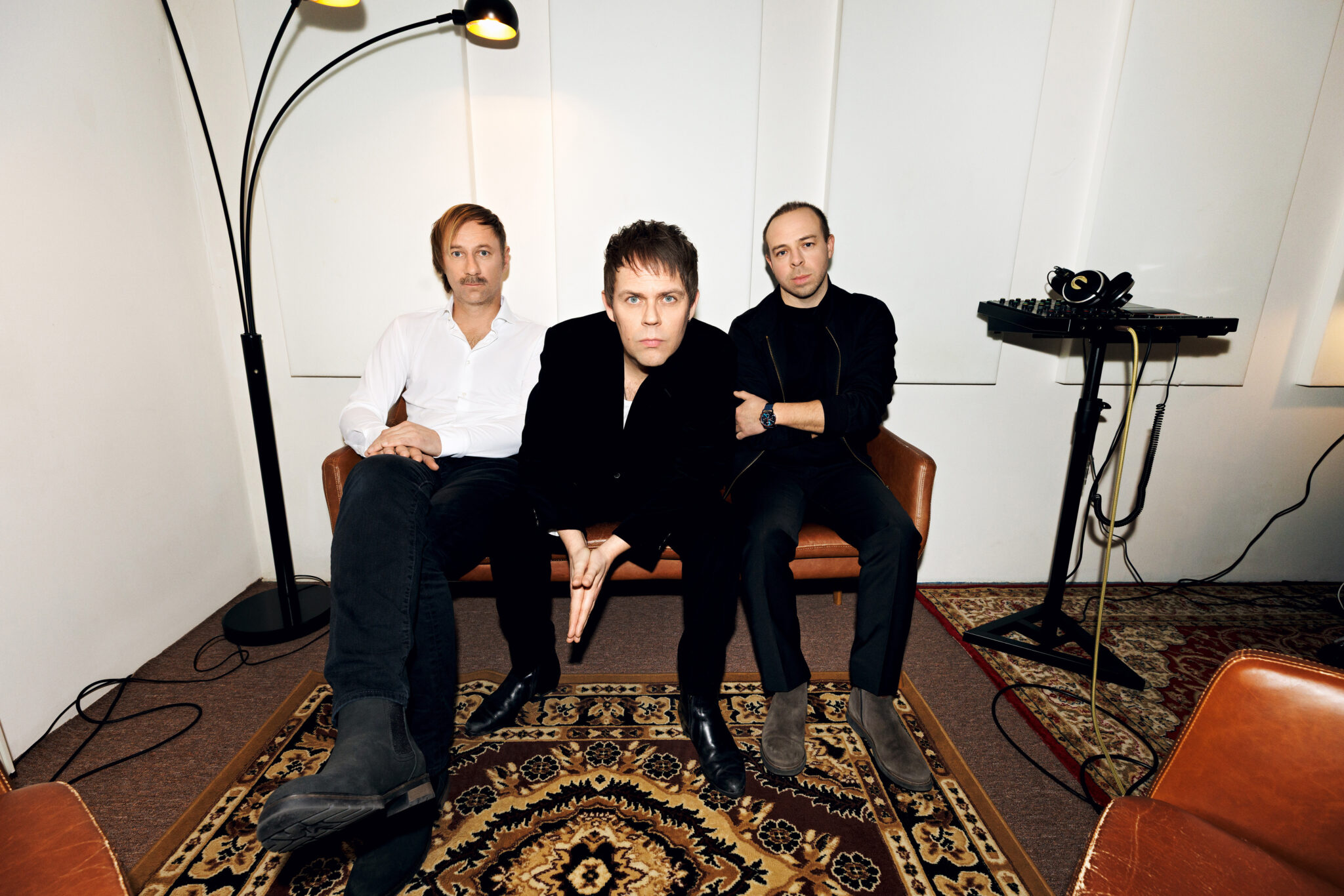
Austrian three-piece zeronic return with Modernism, their first album of new material in years, finding renewed creative momentum while reflecting on the contradictions of contemporary life. Released on October 2nd, 2026, the ten-track record brings together the guitar-driven immediacy of the band’s early work and the broader sonic palette developed throughout their career, offering a fresh perspective on what it means to find connection in an increasingly complex world.
Emerging from Austria’s alternative scene in the 1990s, zeronic built their reputation on emotionally charged songwriting and an ability to balance introspection with euphoric release. Their 2001 debut, High Life, delivered a major radio hit and an Amadeus Austrian Music Award nomination, while subsequent releases, extensive touring and work with producer Gareth Jones, known for his work with Depeche Mode and Nick Cave, helped establish the band beyond their home country. Following a lengthy hiatus, frontman Mik Tanzos pursued a solo career before returning to zeronic for a new chapter that draws on the experience of the intervening years without simply looking backwards.
At times as immediately engaging as Franz Ferdinand and White Lies, Modernism also embraces the more considered, mature songwriting associated with The National. The album carries a sense of emotional sincerity and musical maturity, with an expansive sound that never loses sight of the melodies at its core. Opener ‘The Hope And The Enemy’ quickly introduces the band’s evocative, fuzzy guitar tones, yearning yet melodic vocals and impressive sense of width and scale.
Reaffirming the band’s instinct for anthemic songwriting, ‘A String Of Luck’ pairs a swirling synth riff with driving bass and drums, balancing gritty social commentary with a stadium-sized sense of scale. Layering keys and piano among the driving guitars and synths, the track showcases the band’s musical depth, building towards a close that gathers momentum and intensity.
Elsewhere, ‘For Myself’, one of the album’s highlights, brings a more intense feel, combining semi-spoken vocals with an instrumental arrangement built around dual distorted guitars. ‘A New Days Celebration’ introduces a moodier, darker mid-tempo atmosphere before ‘Heads Down’ piles on the distorted guitar tones. ‘Deadly Serious’ then brings a more theatrical flourish, evoking Bowie in its dramatic approach while the vocal delivery recalls Matt Berninger.
The beautiful guitar riff of ‘Your Truth Or Mine’ leans into the emotional sincerity at the heart of the album, allowing the vocals to take centre stage before the boxy, Strokes-esque ‘Old Ways’ shifts the tone once again.
Closing with the unexpectedly restrained ‘Good Night’, the band bring the album to a finish that balances reflection with a sense of sonic buoyancy. It is a fitting end to a record that moves between energetic intensity and quieter moments of emotional clarity without losing its sense of cohesion.
Written over the course of a year, Modernism emerged from around twenty-five songs and demos, with ten ultimately making the final cut. The writing and recording process brought a sense of openness and momentum that the band felt recalled the spirit of their earliest work. Across the album, immediate guitar-driven songs sit alongside more expansive arrangements, giving the record room to explore its themes without losing sight of the directness that has always been central to zeronic’s sound.
At its heart, Modernism examines the tension between progress and disillusionment, connection and isolation, belonging and escape. Rather than rejecting the modern world outright, the band focus on the people trying to find their place within it, and on the challenge of holding onto what matters amid the relentless pressure to keep moving forward. As the band explain, “Modernism is about trying to remain human in a world that’s constantly being optimised”.
With Modernism, zeronic return with a record that balances the guitar-driven immediacy of their early material with a broader, more nuanced approach to songwriting. From the fuzzy guitars and anthemic momentum to reflective melancholy, the album showcases an understanding of both their own sonic identity but also contrast and dynamics. These shifts reflect the wider themes at the heart of the record, exploring the tension between progress and uncertainty while keeping the human experience firmly in focus. It is a fitting foundation for this next chapter, looking ahead while retaining the directness that first defined the band.
Related
#Album #Review #zeronic #Modernism