wellnessfitpro
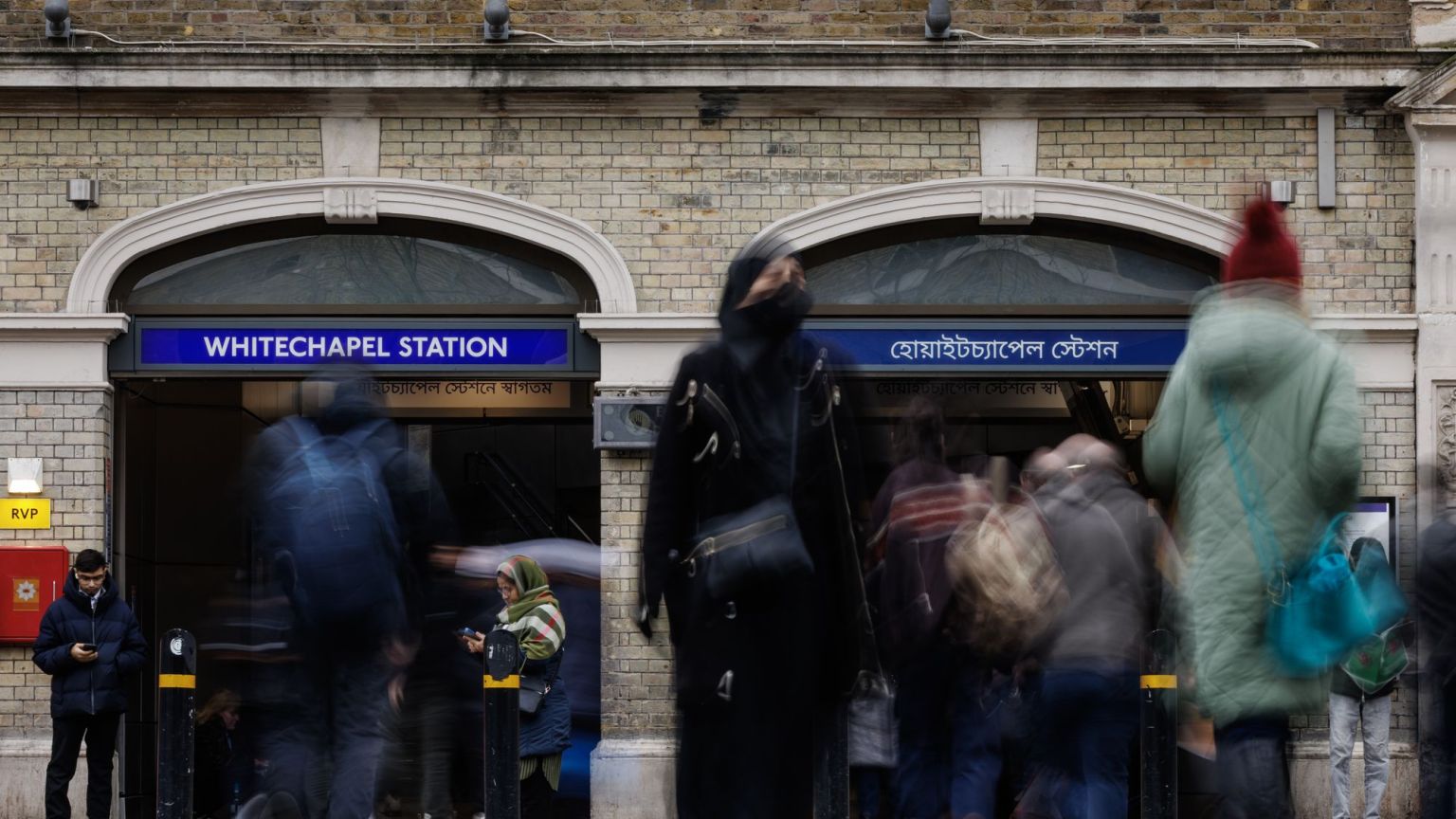
Most people will have been shocked, but not surprised, to read last week’s data comparing the most common surnames given to newborn babies in England and Wales today to the same names of 30 years ago. According to the Office for National Statistics, in 1996, the Top10 were Smith, Jones, Williams, Taylor, Brown, Davies, Evans, Thomas, Johnson and Wilson. In 2026, the same list includes Khan, Ahmed, Ali, Hussain, Singh, Patel and Kaur.
Although the list is somewhat misleading in that Asians have a smaller pool of surnames, the contrast unquestionably mirrors what the Census statistics and our eyes have been telling us in recent years. This island has undergone, and is still undergoing, a convulsive demographic transition, the scale of which hasn’t been seen since 1066 – in 2026, one-fifth of this country’s population is foreign-born – and the substance of which has never been witnessed at all. It confirms what many have felt in their bones: that England and its people are gradually and inexorably vanishing.
This sense of loss has been echoed in the popularity of the YouTube documentary, Britain Before Migration, by Steven Edginton, in which the 26-year-old journalist speaks to the generation who remembered this country before such turbulent upheaval. As Edginton elaborated in an essay for the Daily Mail at the weekend, what he heard repeatedly from interviewees was a sense ‘that the Britain they loved is slipping away’.
This feeling of loss is not confined to the elderly and Boomers. It’s felt among us middle-age types who grew up in a more settled, reasonably multi-racial Britain. To judge by Edginton, it is also felt by an even younger cohort. This loss sometimes feels like anticipatory bereavement, sometimes like alarm and panic. Undoubtedly, it’s the main reason for the surge in support for Reform UK and Restore Britain that began in the direct aftermath of the disastrous Boriswave.
Yet, however tempting it is to feel mournful or angry, nothing is written in stone, and this country’s future is yet to be determined. What we can do from here is learn from the recent past.
The resounding lesson to be drawn is this: never again must we be swayed or browbeaten by either preening, liberal-left bien pensants or money-worshipping, right-wing GDP-fetishists, both of whom have abetted mass migration over decades for two divergent reasons. The former, because it helps bolster their internationalist, multicultural, compassionate public image; the latter because they like cheap labour and see human beings as interchangeable units of production.
Never again must we fear being tarnished as ‘racist’ for voicing opposition to disruptive changes being foisted on us. Never should we accept the falsehood that ‘diversity is our strength’. Never should it be a sin to be patriotic or it be said unchallenged that the English people don’t even exist. Never again should we be cowed into submission and silence. To hell with your reputation and social status: be unfashionable and be upstanding.
Life is supposed to be difficult and disappointing
What with a plethora of official inquiries looking into Britain’s combined mental-health and worklessness problem, each investigating a bewildering array of medical conditions and welfare benefit allowances, it’s easy to feel bamboozled by the whole labyrinthine matter. It can also feel overwhelming to constantly hear the competing reasons adduced to our youth’s collective collapse in spirit and resolve, be it the legacy of lockdowns, smartphone addiction, an overgenerous welfare state or bleak unemployment prospects in an age of artificial intelligence.
Yet one report in the Daily Telegraph last week cut to the heart of the matter. According to a survey by Dr Sam Day, an experimental psychologist, the ultimate reason for this debilitating gloom in the young is the fact that normal human emotions are now routinely diagnosed as disorders.
According to Day’s research, more than four in five mental-health professionals now believe that normal thoughts are being medicalised, and that this has led to the ‘pathologisation of the human mental experience’. As Day concludes: ‘We must ensure that we don’t confuse being ill with being sad or worried.’
This increasing pathologisation of everyday life was both diagnosed and foresaw by Frank Furedi in his 2003 book, Therapy Culture, which today reads eerily like a prognosis of the shape of things to come. It charted how a therapeutic turn was already pathologising the human condition. And the lesson remains: the sooner we relearn and instil in the young the moral that life is necessarily difficult and disappointing, and that this is not ‘abnormal’, the better everyone’s mental health will be.
Woke-on-sea
While Sir Trevor Phillips recently remarked that ‘Liberal cosmopolitan London and its suburbs – Brighton, Oxford, Cambridge – have only recently become aware of how much the rest of the country hates us’, the late Rod Liddle was also fond of pouring scorn on England’s provincial outposts of left-liberal conceitedness, notably and especially Bristol and Brighton.
As I discovered this year, there is a rather less-well-known redoubt of progressive self-satisfaction just up the coast from Brighton, in Hastings, and in its junior, contiguous neighbour of St Leonards.
While Hastings is not unlike many seaside towns in the southeast these days, in that one half of it is affluent and arty, and the other grounded, working class and shabby (Folkestone and Margate are similarly cleft), there are unmistakable signs of progressivedom here. Its council is run by the Greens. It has an abundance – my local guide Niall informs me – of ‘Pro Pally’ types. Its seafront is bedecked with street art announcing its burghers’ caring credentials. One mural I spotted in St Leonards last month depicted children on a boat crossing the English Channel, accompanied with the legend ‘Welcome Those Who Seek Refuge’.
Meanwhile, the achingly right-on Hastings Museum is currently showcasing a ‘Tapestry of Black Britons’, which purports to trace ‘2,000 years of African and Caribbean presence in Britain’. The local free newspaper, the Hastings Independent, is replete with stories about Palestinian poets, environmental initiatives, Vietnamese music, sustainable arts and crafts, and the latest ‘Stop the Far Right’ campaign. You get the picture.
When people talk about ‘North London’, it’s sometimes easy to lose sight of the fact that this place’s demographic and mindset are dispersed throughout the south and across the country. These people live among us. But we must be tolerant, and ultimately forgiving, of their naivety and foolishness, and of the terrible misery and destruction they have inflicted on this country.
#English #feel #unsettled