wellnessfitpro
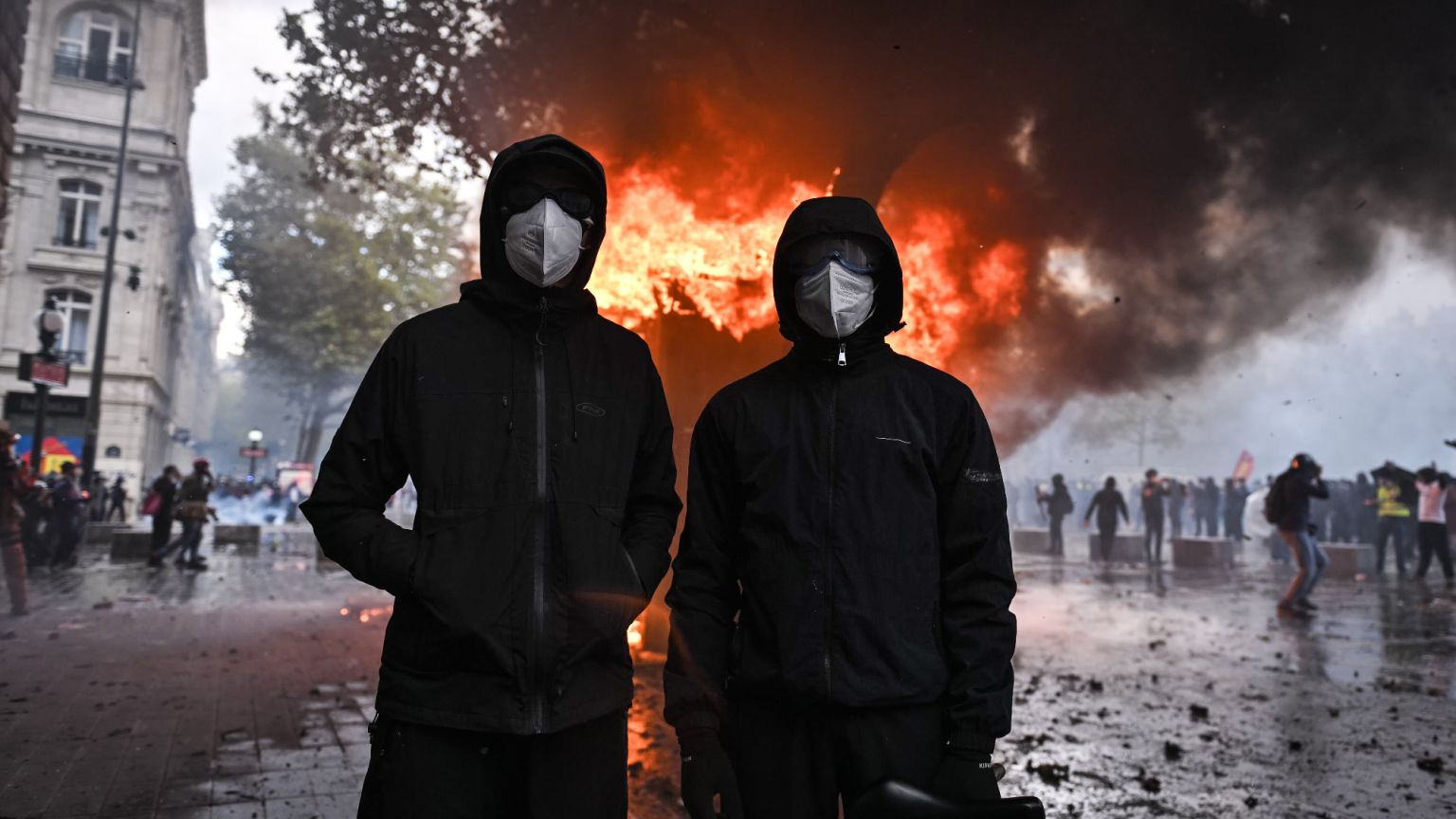
For a few heady weeks, the unrest in France was the left-liberal commentariat’s favourite kind of story. Here, apparently, were idealistic teenagers rising up like in 1968 – though this time against crumbling classrooms and the cost of living. Then the town hall in Limoges went up in flames on 17 October, the looting began in earnest, and the riots spread to other European cities.
The new line from the media is that there is no story at all. Or, rather, that there are lots of small, unconnected stories, and anyone who joins the dots – say, by pointing out the role of mass immigration and failed integration – is doing the Kremlin’s work.
Take Alberto Alemanno’s opinion piece in the Guardian last week, the headline of which warned that a violent, coordinated youth uprising is ‘exactly the picture Europe’s enemies want to paint’. Each country’s grievances, he explains, are distinct. Lumping them together makes Europe look ungovernable – a gift to Trump, Putin and the radical right. Journalist Dave Keating admitted it was rare for protests to erupt in so many countries at once, then assured his followers that their causes were ‘myriad and national’.
The torching of the French Republic’s cultural and political heritage has been reframed as a communications problem. The real danger, it seems, is not the arsonists, but what voters might make of it. Last, but not least, French president Emmanuel Macron has joined in, dismissing foreign leaders’ criticisms of mass immigration and Islam as ‘stupid’, and grumbling about AI-generated images – as if France’s problem were deepfakes rather than looted shops.
Yet French voters are increasingly making their verdict plain. A poll for BFMTV found 89 per cent condemned violence against school staff and 85 per cent condemned attacks on police. After 17 October, a separate poll found nearly two-thirds backing a state of emergency. Meanwhile, 83 per cent said politicians who encourage violence by pupils should be prosecuted. Nobody had to ask which party was being alluded to here. Jean-Luc Mélenchon and La France Insoumise were the obvious targets. Sympathy is draining, too. On 23 October, after more than a month of rioting, French polling company Cluster17 found that the share of people who supported the teenagers had fallen from a third to just over a fifth, while the demand for a return to order surged. The French can support smaller class sizes without supporting the burning of Limoges.
Then there is the question that must not be asked: the role of immigration in causing the riots. A justice ministry note on 186 people jailed between 18 and 21 October found that seven in 10 were French nationals. This means that at least three in 10 were not – a significant number in a country where foreign nationals make up less than a tenth of the population. As to whether those French nationals were from immigrant backgrounds or not, we are not allowed to know, as the French government does not collect any data on ethnicity. Into that convenient void, commentators have rushed to declare, as one Chicago Sun-Times columnist did last week, that the unrest has nothing to do with immigration.
Yet the French public is not blind. It has seen the Palestinian flags. It has seen teenagers rapping to a song that lionises the jihadist killer Mohamed Merah. And it remembers the 2023 riots, sparked by the death of Nahel Merzouk at the hands of police. Then, the police reported that most of those arrested in the riots were the French-born children and grandchildren of immigrants.
The latest riots have solidified immigration as the central issue of European politics – a conclusion that the establishment dreads. It is hardly a surprise that Marine Le Pen’s National Rally has soared in the polls to well above 30 per cent on the back of her promise to unwind decades of ‘anarchic immigration’. Every burning building is free advertising for the parties the establishment most despises.
But look at whom the hand-wringing is aimed at. Not the looters. Not Mélenchon, who tells the press that injuries to police officers are part of the job. The scorn is reserved for the voters who want their streets back – who are told that their desire for order is a Russian talking point. A governing class that finds it easier to make excuses for Islamo-leftism than to defend the peace of its own citizens has surely lost the right to govern them.
Next spring, the French get to have their say. Polls point to a Le Pen-Mélenchon run-off in the presidential race, with Mélenchon’s only route to the Élysée the same cordon sanitaire that has been erected against Le Pen in the past. The elites may well oblige, yet voters look less willing: run-off polls give Le Pen around two-thirds of the vote, and a comfortable victory.
This is what the French and European elites really fear. Not rioters destroying cities, but voters making the ‘wrong’ choice. That is why the root causes of the riots are being so desperately downplayed.
#French #elites #fear #voters #rioters