wellnessfitpro
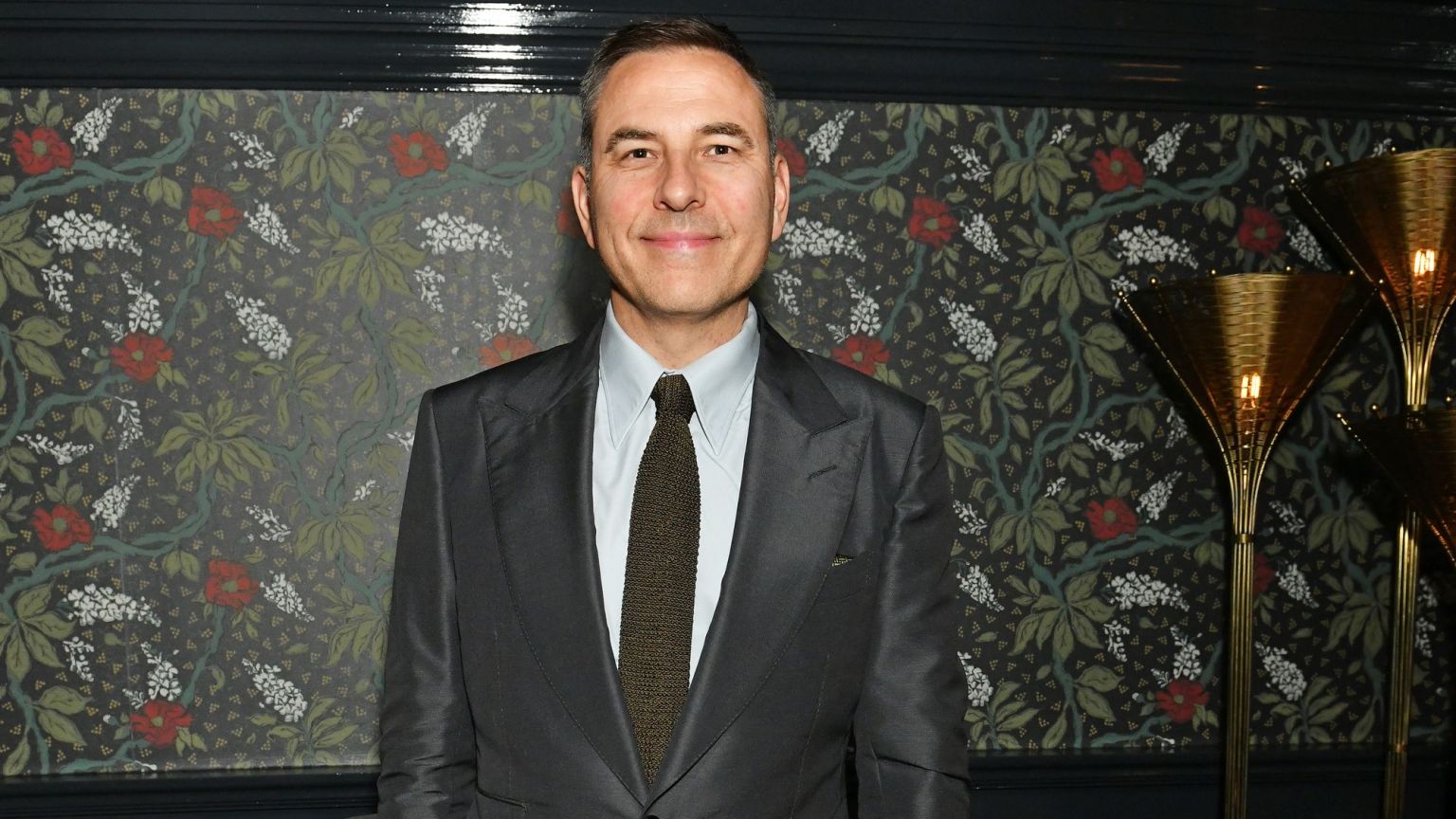
Move over, Russell Brand, there’s a new celebrity deviant making headlines. Yesterday’s revelation that it was David Walliams who had lawyered up to keep his name out of the press surprised no one. The frequency with which his name had popped up on social media since Monday last week, when it was reported that a big-name star had tried to take out an injunction to curb journalists, made a mockery of his bid for anonymity. His legal wrangling was an ‘open secret’.
After so many knowing winks to Walliams were shared online, his legal team knew the game was up. Walliams had until 4.30pm on Monday to lodge an appeal against last week’s High Court ruling against him, which he failed to do. By this morning, Walliams’s face was on the front page of every newspaper in Britain.
Whatever the truth about the allegations currently levelled at Walliams (he has categorically denied any criminal wrongdoing), it is good that they are being aired openly. It is not difficult to understand why the comedian turned children’s author wanted to stop ITV and the Guardian from going public with their exposé. The three-year investigation was based on the stories of 30 women who claim to have been mistreated by Walliams, many while still teenagers. Nevertheless, it is outrageous that wealthy individuals can curb press freedom to protect themselves.
More outrageous still were the reasons Walliams gave for seeking an injunction. The news organisations argued that publication was in the public interest. Because Walliams was a well-known celebrity, they argued that accusations he had used his fame to engage, or attempt to engage in, ‘inappropriate and exploitative sexual activities with a large number of girls and young women’, deserved to be published. Walliams denied this. But rather than claiming that publication would mean disclosing legally confidential or private information, which are usual grounds for an injunction, he took a different tack.
Walliams argued that he would be ‘highly likely’ to try to kill himself – and cited, as evidence, two suicide attempts this year – if his name was exposed by the press. By allowing publication, his lawyers claimed, the court itself would be breaching his human rights. His legal team cited Articles 2 and 3 of the European Convention on Human Rights, which relate to the right to life and the prevention of inhuman or degrading treatment. The barrister representing ITN and the Guardian argued that this would represent a ‘radical and unprincipled expansion’ of the courts’ duties, and that, if the state had a duty to protect Walliams from taking his own life, this obligation fell to the NHS and its mental-health services. Thank goodness the judge agreed.
This was a despicable attempt by Walliams and his legal team to leverage suicide threats in order to silence the press. If it had been allowed to stand, it would have set a terrible precedent. It would have meant that wealthy individuals unhappy at the prospect of unfavourable news coverage could threaten suicide in order to silence their critics. This is both manipulative and censorious. It creates an overly simplistic impression of suicide, pointing to just one cause – press coverage – and ignoring everything else going on in a person’s life. It grants the person threatening suicide enormous power to dictate what the public can and cannot know. And it entirely centres the interests of the person making the threat rather than the public, or the women alleging to have been mistreated.
It is good that Walliams failed in his bid to silence the press. But, at the same time, we need to remember that Walliams has not actually been found guilty of any crime. He may be an entitled tosser who thinks he can thwart press freedom, but he cannot be treated as a criminal. With the recent past now on trial, and with Russell Brand freshly incarcerated, campaigners are keen to secure another scalp. Walliams might give people the ick, but this doesn’t automatically imply guilt.
Some of the stories of the women making allegations against Walliams are heartbreaking to read, but they are not in the same league as rape and sexual assaults committed by Brand. Walliams, who shot to fame in the Naughties with Little Britain, is primarily accused of ‘preying’ on young women by contacting and befriending them before later beginning, with some, a sexual relationship. The worst allegation – that he tried to lift up the shirt of a 15-year-old schoolgirl in 2007, when he was 36 – may lead to a police investigation. But Walliams denies this happened and he has not (yet) been arrested or charged with anything.
The young women he contacted, some clearly vulnerable, appeared to be in awe of a famous, older and wealthy man. Walliams is creepy, yes. He probably should not have had older teenage girls stay in his house, and should not have made repeated advances towards them. Yet most of the girls seem to have simply left at this point, and others do not report non-consensual sex. We need to be careful not to conflate these cases with those of Brand or to assume his guilt on the basis of allegations alone.
We have a right to know about the allegations being made against David Walliams. But he also has a right to be treated as innocent until proven guilty.
Joanna Williams is a columnist at spiked. Her latest book, The Breaking of the Education Contract: Why We Need to Keep Politics Out of Schools, is available from Civitas. You can also follow Joanna on Substack.
#David #Walliams #exposé #victory #press #freedom