wellnessfitpro
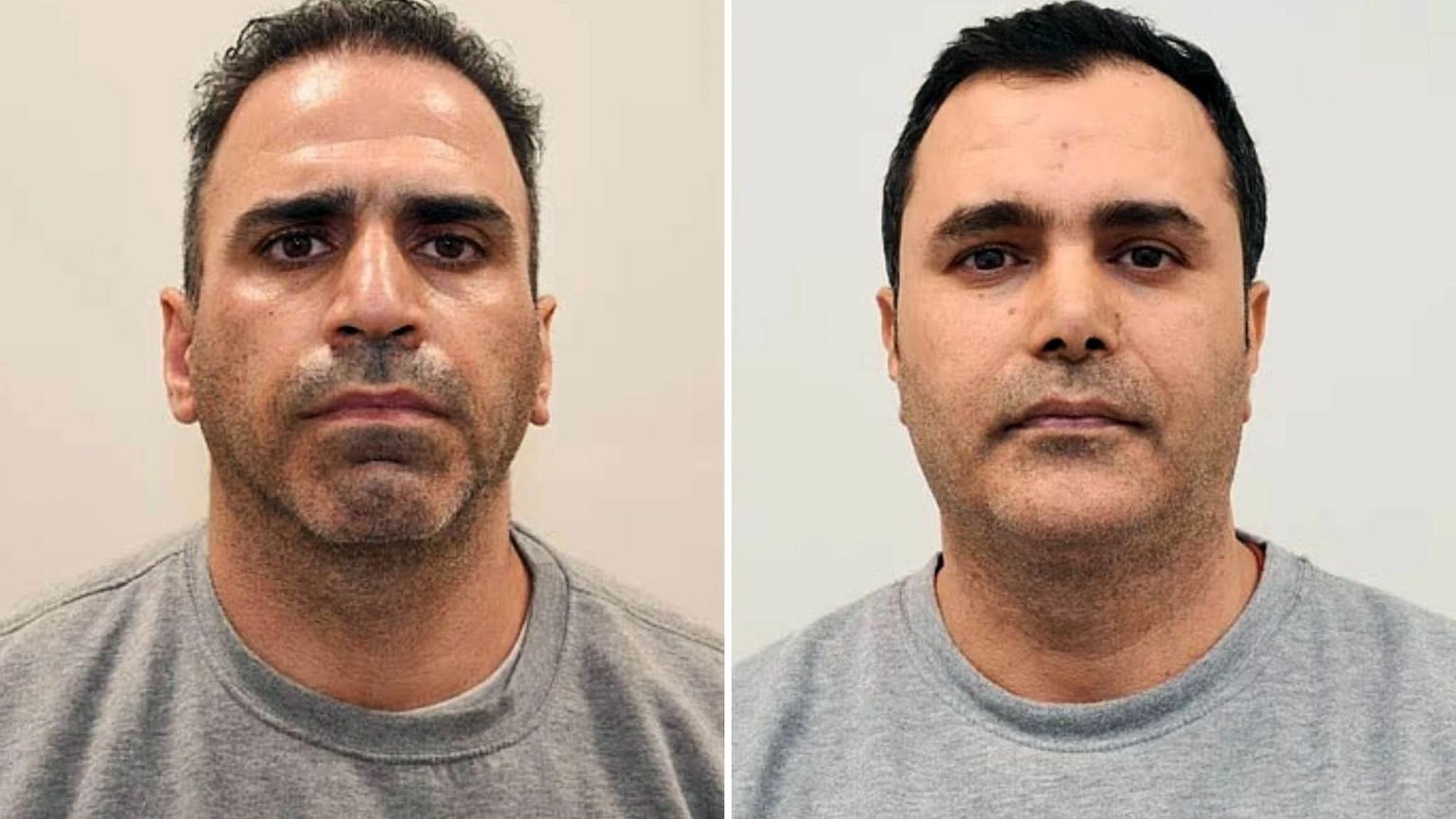
If anyone still doubted whether the UK’s porous borders undermine national security, the convictions of Mostafa Sepahvand and Farhad Javadi Manesh for espionage should settle the matter. On 12 November, both were convicted at Woolwich Crown Court of spying for Iran.
According to prosecutors, Sepahvand and Manesh were in the pay of the Iranian state. Their task was to monitor and eventually attack UK-based critics of the Iranian regime. Sepahvand, 41, was convicted of carrying out surveillance on homes and work addresses in order to locate journalists. He led the ‘contact’ side of the operation and spoke directly to members of the Iranian state. Manesh, 46, fed photographs, videos and other information to Sepahvand. Sepahvand arrived in 2016 ‘concealed in a lorry’, while Manesh broke into Britain on a small boat. Both men claimed asylum and were granted temporary leave to remain.
The Iranian regime has a desire to project hostile activity beyond its borders through covert networks and proxy actors. And the UK is becoming an easy target. On 27 September, five men were arrested on the grounds of their suspicious activity outside the RAF Fairford military base in Gloucestershire. Three of those have since been charged by the US Department of Justice for their alleged involvement in a string of terror plots and offences across America and Europe, which it claims were carried out on behalf of Iran. UK prime minister Andy Burnham said he believed Iran ‘played a part’ in the five men’s presence at Fairford.
Clearly, this week’s convictions against Sepahvand and Manesh are not isolated cases. They are only the most recent examples of a trend in which men who entered the UK illegally have subsequently harmed or sought to harm the public.
Iraqi national Ahmed Hassan entered the UK illegally in 2016. In 2017, he detonated a homemade bomb on the Tube at Parsons Green. Fortunately, the explosive only partially detonated – although 30 people were nevertheless injured. Emad al-Swealmeen arrived in the UK on a Jordanian passport in 2014. He repeatedly applied for asylum, but all of his attempts were rejected. Despite this, he was never deported. Seven years after his arrival, he accidentally blew himself up outside the Liverpool Women’s University Hospital. A coroner later found that al-Swealmeen had taken his homemade bomb to the hospital with ‘murderous intent’.
Earlier this year, we were reminded once again of the dangers of Britain’s feeble borders. In June, Stephen Ogilvie was savagely attacked on the streets of Belfast. The alleged perpetrator of this offence was Sudanese national Hadi Alodid, who had logged an asylum claim as soon as he arrived in Northern Ireland in 2023. In the aftermath of the attack, the government’s independent reviewer of terrorist legislation, Jonathan Hall KC, stated that it was legitimate to discuss the impact of migration on the UK’s national security. After the experience of recent years, who could possibly disagree with him?
The authorities’ success in foiling the alleged Fairford plot deserves praise – even if, bizarrely, none of the men has been charged in the UK. Yet even the most effective counter-terrorism work cannot guarantee the safety of citizens when hostile actors are allowed to enter the country freely without consequence.
This is where we appear to hit a brick wall. The UK’s political elites find the very idea of strong border protection inherently suspect. Open borders, on the other hand, are another means by which they showcase their ‘kindness’ and their superiority over the supposedly racist masses. But, as we have seen time and again, their ‘kindness’ to outsiders puts our own citizens at risk.
We do not need to make a false choice between humanity and security. If the UK is to be a legitimate sanctuary, the asylum system cannot be open to such easy exploitation. Compassion for those facing persecution may be admirable, but turning a blind eye to the risks of uncontrolled migration is anything but. The naivety of our elites is unforgivable.
Paul Birch is a former police officer and counter-terrorism specialist. You can read his Substack here.
#smallboats #spying #scandal #spiked