wellnessfitpro
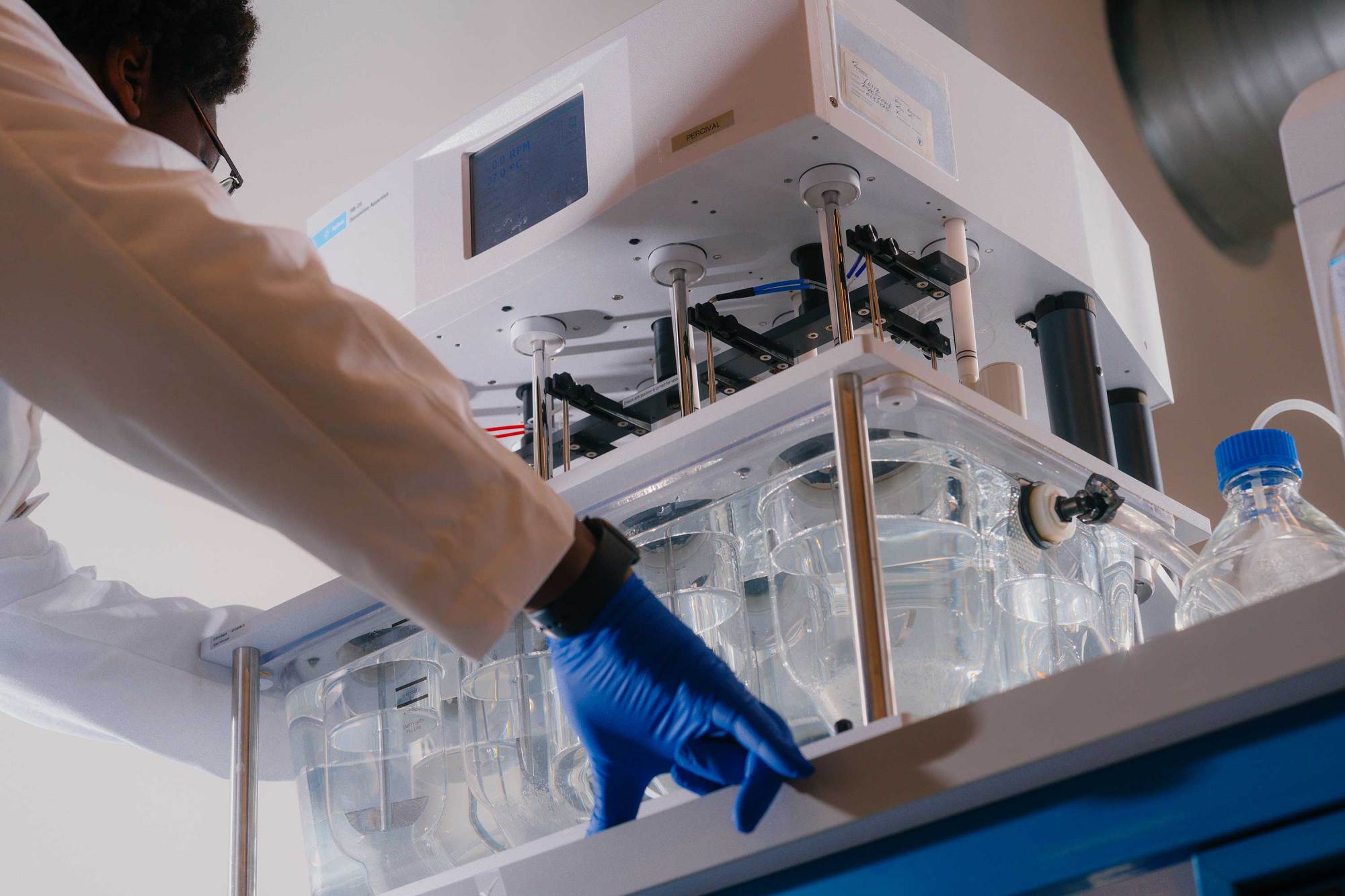
The Food and Drug Administration will test more prescription drugs for impurities and other dangerous quality lapses under an expanded program described by safety experts as a critical step to better protecting America’s drug supply.
About 90% of prescriptions in the United States are for generic drugs, many manufactured thousands of miles away in countries that include India and China. Until now, the FDA has only periodically tested a sampling of those drugs to see if they were safe or worked as effectively as the brand-name medications they are meant to replicate.
Last week, the FDA announced it will test more often and identify poorly performing drugs for further study.
The agency said it will buy the medications from retail pharmacies and wholesale distributors, but it did not say how many drugs it plans to test or how frequently. A spokesperson did not answer questions about how the FDA would select drugs for testing or how it would hold manufacturers accountable for inferior products, beyond posting the results on its website. Still, drug-safety experts said the expansion helps address long-standing concerns that some suppliers sacrifice quality to keep costs low — and that the FDA has for years looked the other way.
“All drugs, regardless of where they are manufactured, must meet the same FDA standards for safety, effectiveness and quality,” the FDA spokesperson told ProPublica.
A ProPublica investigation last year found the agency routinely relied on the drug companies themselves to do their own testing even as doctors, researchers and the Department of Defense warned that essential medications were contaminated or ineffective. On its website, the FDA said it has relied on a “more targeted, risk-based” approach to testing since 2018, choosing samples of drugs that have safety, effectiveness or quality concerns. The agency publicly reports the results on its website and notes that a majority of the tested drugs meet its standards.
ProPublica, however, found the agency for years failed to regularly test both the generics that have worried outside experts and drugs coming from factories that amassed so many serious quality and safety violations they were ultimately banned from the U.S. market. ProPublica later used FDA data to create Rx Inspector, a first-of-its-kind tool that allows consumers and doctors to look up the inspection records of the factories where more than 40,000 generic drugs are made.
Researchers have repeatedly urged the FDA to test more often. In fiscal year 2025, the FDA reported testing 46 different drugs, and for 29 of those drugs, the agency only tested one manufacturer. All but one passed every test.
The FDA’s new testing regime is “a huge validation of the research that we’ve been doing raising concerns about the quality of generic drugs,” Dr. Kevin Schulman, a professor of medicine and health policy at Stanford University, said of the FDA’s new testing program. “This is a great effort on their part.”
In February, senators also introduced a bill targeting transparency in the drug supply chain process, in part because of similar public concerns.
In response to questions about how it would decide which drugs to sample and how results would drive future enforcement, the FDA spokesperson said the initiative will “help the FDA identify potential drug quality issues faster and will provide more information the agency can use to decide if further action is needed.”
Experts say they ultimately hope the FDA’s program will work alongside independent testers to shift the generic drug market to be competitive on quality rather than price. While the agency can focus on weeding out the worst actors, independent labs can test manufacturers against one another to find the most effective products, said retired Col. Vic Suarez, a former medical supply-chain commander. A similar system is already used at the Department of Defense.
“It’s an important thing because they will probably catch extreme violators of regulatory standards, so that’s a good thing,” Suarez said. “But you also need to have a complementary system where you’re actually raising the bar.”
ProPublica previously engaged an independent lab, Valisure, to test several generic versions of three of the most prescribed drugs in the United States and in two cases identified irregularities that experts said could compromise their effectiveness.
“I think, high level, the idea that we should be doing more testing is fantastic,” said David Light, the co-founder of Valisure. “I think there’s so much growing energy behind that.”
#Food #Drug #Administration #Announces #Expanded #Prescription #Drug #Testing #Program #ProPublica