wellnessfitpro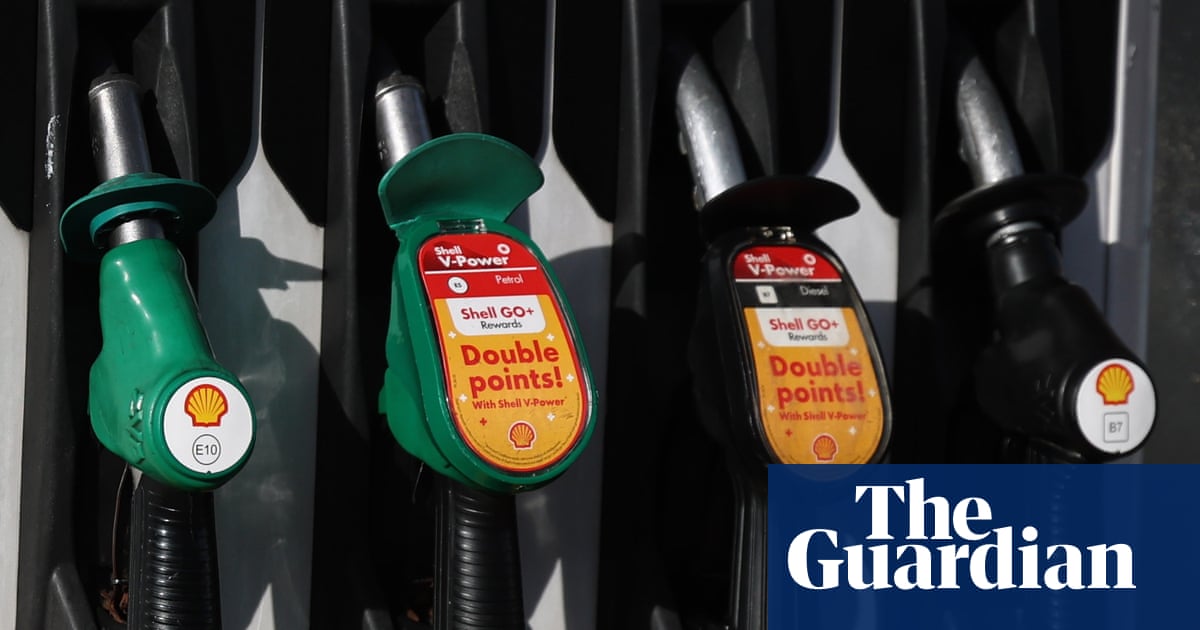
The price of petrol has hit a new Iran war high at UK forecourts, adding to the financial pressure on millions of households about to embark on their annual holiday.
The RAC said that in “very unwelcome news for drivers” the average pump price had reached 160p a litre, reversing the fall to 151p in early July that followed the announcement of a Middle East ceasefire.
The price on Friday was the highest level since November 2022, when it soared in the aftermath of Russia’s full-scale invasion of Ukraine.
Diesel is up 14.5p to 179p but the price remains below the high of 192p in April, the RAC said.
“This means the cost of filling a family-size car with unleaded has gone up to £88, while a tank of diesel is £10 more,” said Simon Williams, the motoring body’s head of policy. “The wholesale price of petrol eased very slightly this week but is not enough to make a difference at the pumps.”
Williams added that diesel looked “set to keep on rising” and would probably reach 185p a litre in the next few weeks, barring any significant fall in the price of oil.
Fuel prices had declined after the US and Iran reached a memorandum of understanding in mid-June that extended a ceasefire in the war by 60 days to allow the restoration of trade through the strait of Hormuz and create breathing space for further talks.
However, Donald Trump has in recent weeks appeared to tire of the peace efforts, with the US again striking Iran several times in recent days. This has prompted Tehran to retaliate against Washington’s allies in the Middle East.
On Friday, Brent crude, the international benchmark for oil, rose more than 1% to above $90 a barrel as Iran’s Islamic Revolutionary Guard Corps said it had struck two tankers trying to pass through the strait of Hormuz under a US “air escort” and turned four other ships around.
The increase in pump prices in the UK had come “at a very bad time”, said Luke Bosdet, an AA spokesperson. “AA polling indicates that 20.5 million UK drivers will take to the road in the third week of the holiday season. Among them, 2.2 million will cover 100 to 200 miles, 1.5 million will travel 200 to 300 miles and 1.3 million will go even further.”
However, Bosdet said fuel prices appeared to be following wholesale prices more closely since May, when the government introduced a new fuel finder scheme that has forced all petrol stations to report prices publicly.
after newsletter promotion
Fuel retailers have in the past faced accusations of “rocket and feather” pricing – when rapid price increases are followed by slower price cuts.
“In early May, when wholesale costs shot up 3p to 6p for more than a fortnight, average petrol prices put on less than 2p,” Bosdet said. “Fuel Finder compliance started to be enforced at the beginning of the month and that likely had an impact.
“When costs plummeted from late May onwards, pump prices followed rapidly, which was unlike previous years of ‘rocket and feather’ pump pricing.”
#petrol #price #hits #Iran #war #high #adding #pressure #households #Petrol #prices