wellnessfitpro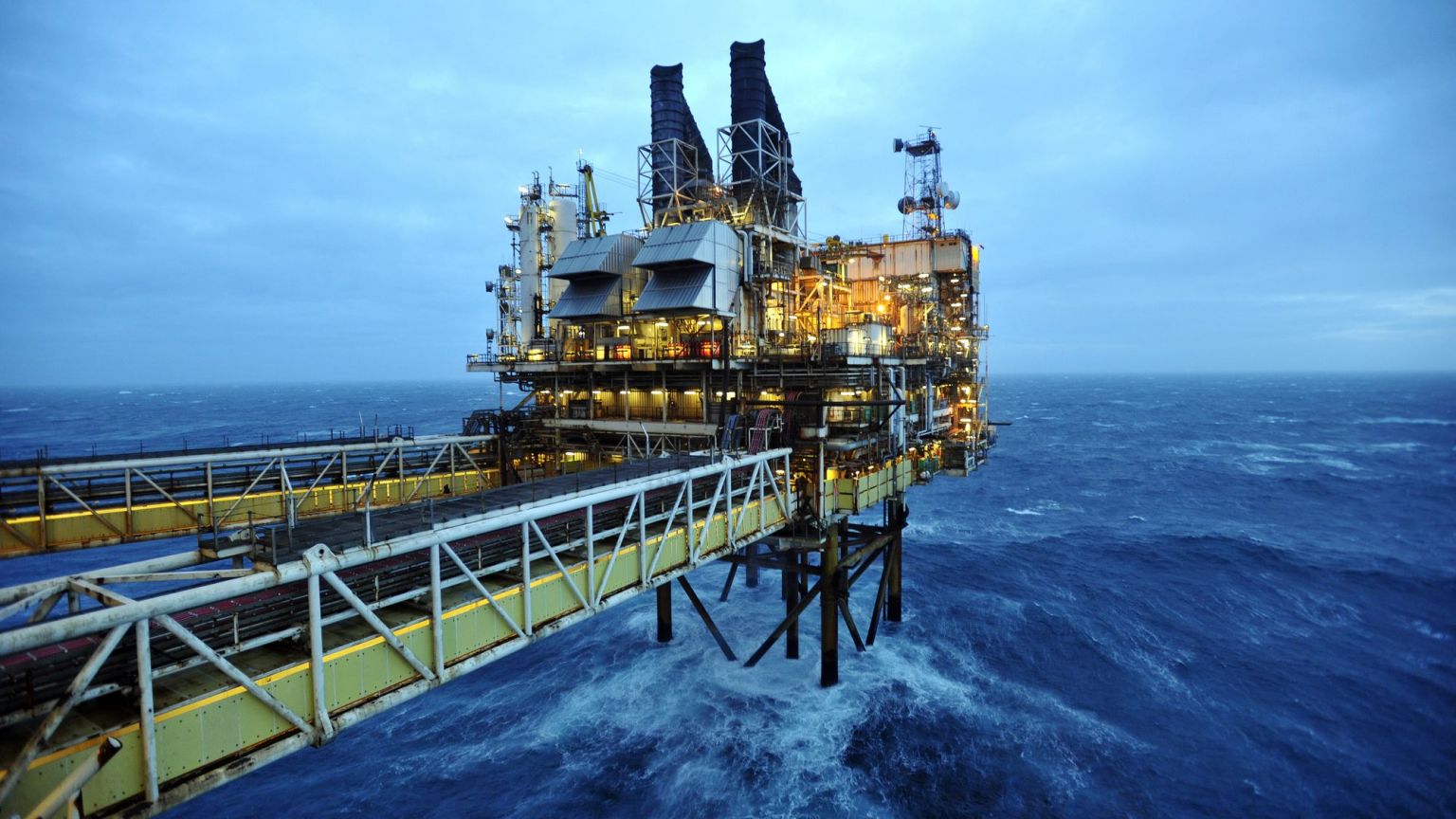
BP has been extracting oil from the Scottish North Sea for over 60 years. But last week it announced that it is putting its North Sea business up for sale.
This is not a surprise. Introduced in 2022, the crippling North Sea ‘windfall tax’, officially known as the Energy Profits Levy, has raised the tax rate on profits from oil and gas extracted in the UK to nearly 80 per cent. Given that the UK government has also continued to refuse to grant any new drilling licences, BP has clearly decided its North Sea business is not worth the time, money or effort.
The effects of BP’s decision are potentially disastrous. Over 1,000 Scottish jobs will be on the line, most of them well remunerated. Those who lose their jobs will fall broadly into two camps: those who will never find work again (or at least work at the same level of pay), and those who will go abroad. Britain will lose a bucketload of skills and tax revenue.
And the oddest thing about all this? It is all being done by design. BP leaving Scotland isn’t an accident – it’s the logical end result of Milibandism.
You see, the energy policies of former Labour energy secretary Ed Miliband – and to be fair, the Tory ministers who preceded him – have inexorably led to this point. This was the whole idea. The British state has been content for oil and gas production to stop in the UK, all so that renewables can ‘take over’ the British energy market.
There are many problems with this plan, to say the least. The biggest is that Britain is way, way behind on producing renewable energy, compared with any of the countries currently doing it well. And even those countries that are far ahead on renewables haven’t given up on oil and gas yet. Norway, which shares the North Sea with Britain, has recently found some of the largest deposits of oil in decades. The Norwegians know they will need oil and gas for the foreseeable future, so they continue to look for it off their own shores.
Meanwhile, the clique in power in Britain believes that by winding down oil and gas extraction and production, it will ‘leave a space’ for renewables to take over. Essentially, it’s the ‘nature abhors a vacuum’ dictum applied to how Britain powers itself.
But that’s not how things work in the real world, at least when it comes to energy policy. Producing less of our own fossil-fuel energy will not stimulate greener alternatives by magic. It will just mean that we are ever more reliant on importing oil and gas from abroad. Which, as you may have already guessed, often comes with a large environmental cost attached to it.
I doubt that BP will be the last large company to pull out of the Scottish North Sea. Its departure is a clear harbinger of what’s to come. Once we lose the capacity to extract oil off our shores, we will very, very likely never get it back again.
It’s also worth noting that the sort of technical infrastructure needed to have a much greener mix of energy in Britain will be endangered by energy companies leaving the UK. After all, they possess the expertise and know-how to provide it. So the government’s energy policy is detrimental even to the environmentalist cause.
New prime minister Andy Burnham is being cagey about what he intends to do in terms of North Sea oil extraction and taxation of energy companies. He has talked about being ‘pragmatic’. But given he’s also said he will honour Labour’s manifesto commitment not to issue any new North Sea drilling licences, there’s little reason to expect any great shift in the government’s approach. Worse still, even if Burnham did try to correct the UK’s course on energy policy, that wouldn’t stop companies like BP leaving. It’s simply too late, unfortunately.
I don’t disagree with the basic ideas within environmentalism – that green is the future. Moving to cleaner, less polluting and less politically contentious forms of energy is the way forward. But ruining our own domestic energy market simply so we can import petroleum products from China, the Gulf States or wherever else seems like an extremely poor way to try and save the planet. Particularly when you are doing so on purpose.
Nick Tyrone is the author of The Rise of Reform, published by Swift in September 2026.
#leaving #North #Sea #disaster