wellnessfitpro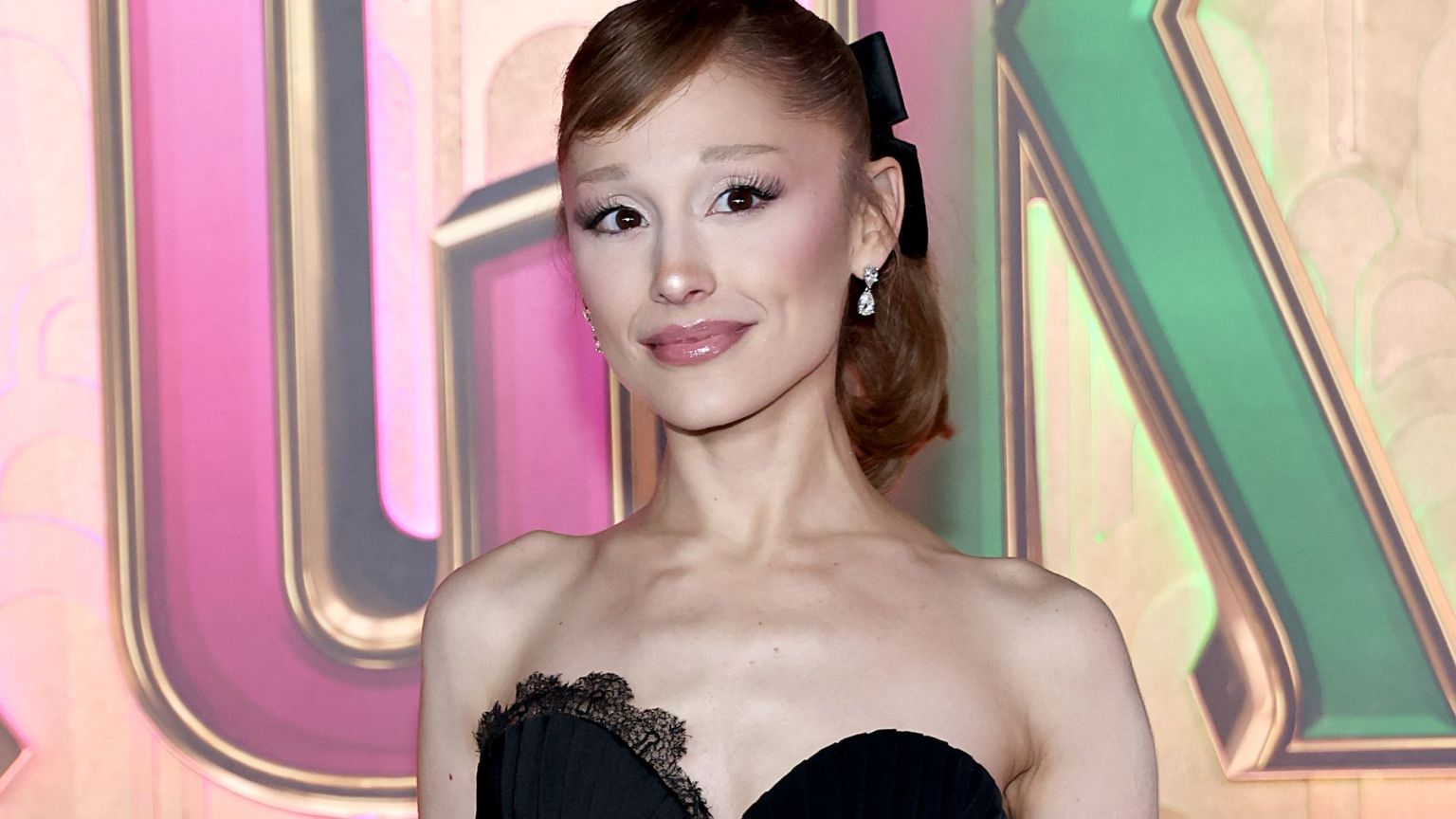
Whatever the reason, it’s obvious to anyone with two eyes that Ariana Grande is too thin. The singer, who seems to have lost an extreme amount of weight in recent years, released a new music video, ‘Petal’, on Friday in which her starved frame is on full display. Her jutting breastbones, ribs and hollow eye sockets make for painful viewing, with many fans and commentators speculating on the star’s physical and mental health.
It seems fans’ concern about her weight hasn’t been received well by Grande and her team. Her representatives have now announced that she is taking time away from the public eye thanks to the ‘endless, ongoing public scrutiny’.
The internet seems to be split over how to respond to Grande’s diminishing form. There are those, like Jameela Jamil and Charli Howard, who believe Grande may be suffering from an eating disorder and have used their own experiences of anorexia to issue a warning to the star and her management. And confronting those worried about Grande are those who think any commentary on Grande’s appearance is unacceptable. In the words of an Independent commentator: ‘It doesn’t take much reading between the lines to see that Grande has had enough of the body shaming, and is struggling under the constant obsession over her weight.’
No one knows what’s really going on with Ariana Grande except her and her inner circle. But what is clear is that our ability to call a spade a spade seems to be under some strain.
The celebrity world has always had a deluded notion of what a ‘healthy’ weight might be – my generation grew up with the Special K diet and magazines full of size-12 women being called obese. But in recent years, the backlash to skinny fads has created a much less healthy notion of beauty standards. I’m thinking here of the ‘body positive’ movement.
This movement is no less vain, but instead of holding up a certain standard of what is beautiful it claims that everything and anything goes – every one’s body must be positively affirmed. As a result, someone as starved as Ariana Grande is allowed to make a music video with references to weight loss and no one is allowed to bat an eyelid. At the other end of the spectrum, anyone refusing to applaud images of plus-size models like Tess Holliday is told they are fat-shaming.
Fame can be very tough. And Grande should be treated with civility and kindness. But there is something a little tiresome about celebrities and their PR teams claiming that the public is wrong to comment on their appearance. A pop star like Grande knows that not only is her music important, but so too are her looks. She has used said looks to secure lucrative advertising deals with Swarovski, Givenchy, Reebok, Mac, T-Mobile and her own fragrance line. It’s only fair that those of us expected to buy what her face is selling might have some views on the face itself.
This goes beyond the disingenuous hand-wringing of Hollywood stars who don’t like to be criticised. Much of the concern over Grande’s appearance stems from its potential impact on her young fans. They are watching a once healthy-looking girl fade into a shadow of a woman. Those of us who grew up in the era of ultra-skinny ‘heroin chic’ know that we’ve been here before. But at least during the 1990s we had the confidence to criticise what was clearly an unrealistic and warped view of femininity.
Today it seems that judgement itself, in this case of Grande’s physical appearance, has been deemed ‘problematic’. It’s as if drawing attention to Grande’s obvious illness is being cast as somehow worse than the illness itself. Instead of creating a kinder, gentler world, we seem to be inhabiting one that can’t tell the truth, even when its bones are staring us in the face.
Ella Whelan is the author of The Case For Women’s Freedom, a part of the Academy of Ideas’ radical pamphleteering series, Letters on Liberty.
#body #shaming #worry #Ariana #Grandes #appearance