wellnessfitpro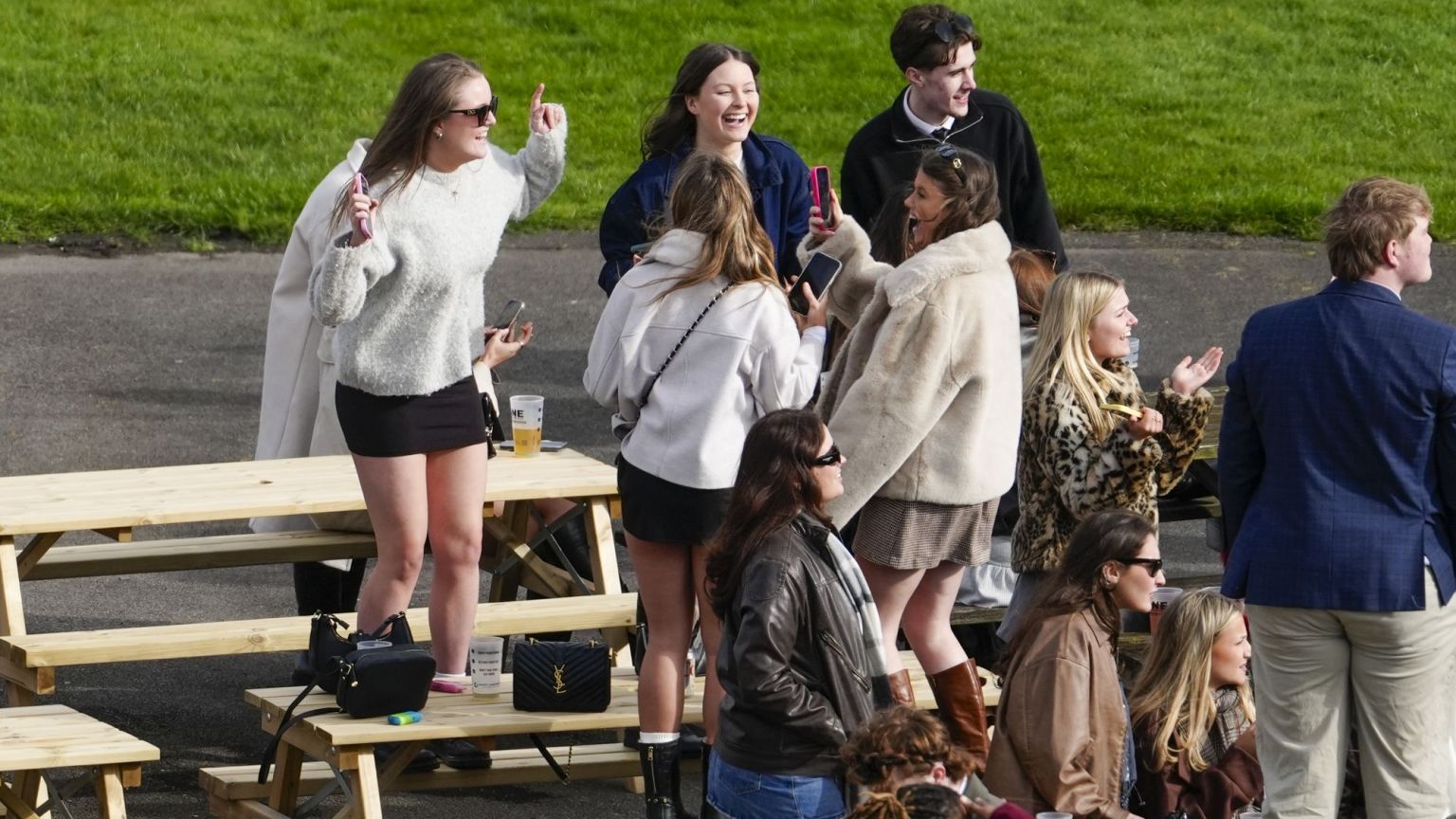
Arriving at university in the autumn of 2021, I joined a sports society. For me, it was cricket. I’m distinctly average but had enjoyed a single decent season in the first XI at my school. At my first university social, a student three years my senior explained the concept of ‘ones’ – a uniform for ‘beveraging’ in, consisting of brown shoes, a blue shirt, your club tie and chinos. So, for the next three years, on almost every Wednesday of term time, I donned my ‘ones’ with dozens of other young men as I embarrassed myself before, in turn, embarrassing the next crop of freshers – until I graduated.
Most commentary on the culture war on campuses understandably focusses on the threats to free speech. But there is another battle being waged that is largely hidden from outsiders, against sports societies and their drinking culture.
Just as is the case with free speech, the freedom to choose who you embarrass yourself with, and how, is under attack from welfare-obsessed universities and students’ unions. Take my beloved, if obnoxious, ‘ones’. Two years ago, Cardiff University Students’ Union banned that specific combination of clothing, citing reports of rugby lads ‘pushing each other’ in a nightclub queue. Apparently, this could easily have escalated into a ‘major incident’. After the ban, the SU claims to have seen ‘a marked improvement in behaviour in the queue’. Which hardly sounds likely.
Perhaps the Cardiff SU’s real motivation can be gleaned from a Guardian article on the ban on ‘preppy staples’, which explained: ‘In recent years the look, including polo shirts, has become identified with some “alt-right” groups in the US, such as the deadly torchlight march in Charlottesville, Virginia, in 2017 and protests involving the far-right Proud Boys.’
I haven’t made that quote up. It’s a textbook example of poor argument – tarring a disliked group by loose association with the far right. It also confirms that the war on sports clubs’ drinking culture really is just another front in the broader culture war.
There are genuine moral dilemmas that students running sporting societies can face. In our cricket team, we had a good number of British Asians representing the university, many of whom were practising Muslims who didn’t drink alcohol. This, of course, makes it tricky to include them in drinking games. Our solution was to encourage them to down copious pints of milk during socials instead.
Did we strike the right balance between accommodating the majority and welcoming the minority? I won’t pretend that this was the right answer, but how to include our Muslim teammates was a question we genuinely tried to grapple with. We didn’t need the university to issue guidance or produce another policy document – we worked it out ourselves, debating where to draw the line and how to include others without hollowing out the traditions that made the club what it was.
Sports societies are one of the few places left where students can still learn to govern themselves. Freshers start at the bottom and, over time, inherit real responsibility – for organising socials, running tours, managing budgets, looking after those younger than themselves. That gradual, semi-formal transfer of responsibility is useful preparation for the world of work. But that is now under threat from SU busybodies.
Perhaps the clearest quirk of university culture is the gulf between students and the people who supposedly represent them. At UCL’s student-union elections last year, just seven per cent of students voted for the winning candidates – despite record turnout. The result is a strikingly unrepresentative leadership. What normal student would voluntarily stay on for an extra year, once all his or her friends have graduated, to run LGBTQ+ inclusion strategies, virtue-signal about Palestine and police rugby socials? And so we end up with people who struggle, fundamentally, with the idea that young adults might want to spend an evening drinking together without institutional supervision.
I’ve since retired my ‘ones’, along with most of the boorish behaviour that came with them, but I’m grateful for the experience all the same. Across the UK, largely unnoticed, quiet battles are being fought between students and their unions over the culture of sports societies. The rules are left deliberately unwritten – freshers are expected to infer them, while senior students are discouraged from spelling them out. All it takes is one excuse to have society suspended for a year, and then traditions decades in the making can quietly vanish.
Does any of this matter? I think so. I’m grateful for the fun I had with my sports society and sorry that the next generation of students may never get the chance to inherit this. The culture war isn’t just coming for ‘problematic’ speakers or statues of alleged colonialists – it’s also coming for those ordinary students who enjoy a drink or two with their sports teams.
Jake Weston works at the Academy of Ideas.
#culture #war #uni #sports #societies