wellnessfitpro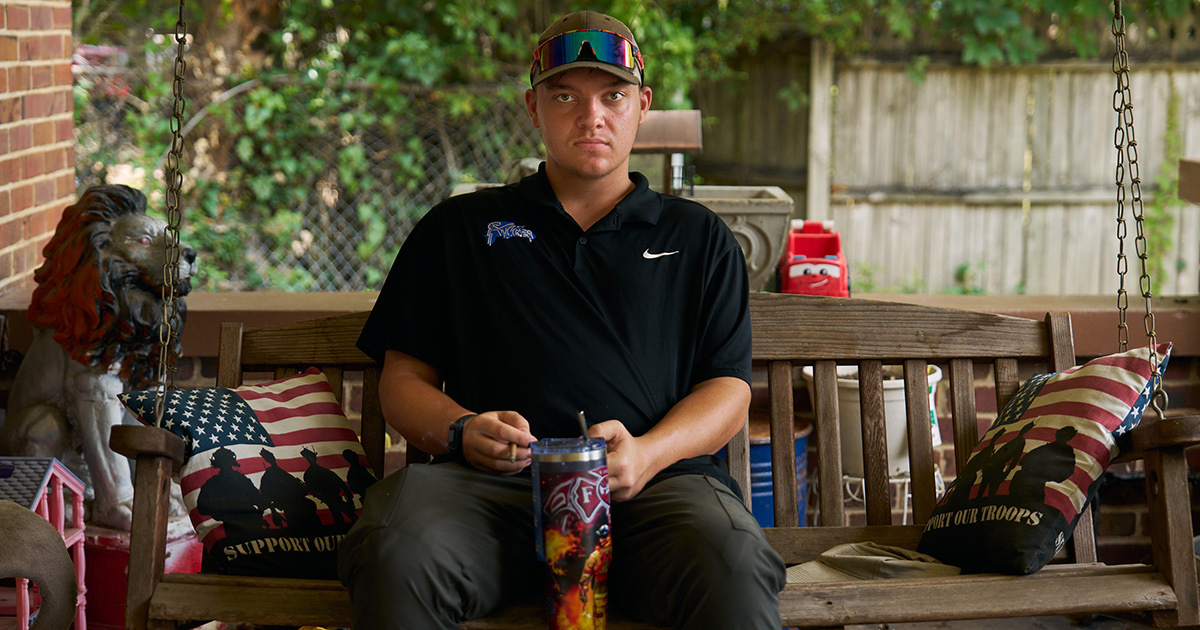
Reporting Highlights
- Locked Down: Interviews with dozens of former staff and youth reveal how Wayne Halfway House failed to report suspected abuse to state officials across youth prisons in Tennessee.
- A Company’s Mandate: According to several former employees at Wayne Halfway House’s youth prisons, an expectation to keep serious incidents secret came from the top: CEO Jason Crews.
- Under Investigation: Tennessee said it is investigating the incidents WPLN and ProPublica uncovered at the company’s facilities.
These highlights were written by the reporters and editors who worked on this story.
The video clip lasted less than two minutes, but Tonya Webb remembers every second as heartbreaking.
The grainy surveillance footage, dated June 29, 2024, showed a teenager in an anti-suicide smock being dragged violently by other teens across the floor at Middle Tennessee Juvenile Detention Center. As guards watched, the teens pulled the smock over the boy’s head, exposing his naked body. Then they stuffed him, limbs flailing, into a cell.
One guard pushed the door closed, locking him in, and the boy pressed his face against the sliver of a cell window. The guard flashed the teens a thumbs-up.
Webb, a medication supervisor at the facility, saw the video when a co-worker showed it to her and knew she was looking at a serious violation of state policy. An incident like this one, in which employees encouraged youths to restrain another youth, would require staff to notify both the state and the boy’s family within 24 hours.
Webb said she raised questions about the incident with the compliance director for the facility. The director said she’d handle it, but after weeks went by with no sign of a state investigation, Webb confronted the deputy to the facility’s executive director.
“I know you’ve seen the video,” Webb recalled telling her. “Nothing’s being done about it.”
According to Webb, the deputy said, “I don’t know what you’re talking about.” Webb found her response baffling, as word of the attack had spread rapidly among staff and the footage was stored on the facility’s own security system.
WPLN and ProPublica obtained a recording of the video; Webb did not provide it. We asked the state’s Department of Children’s Services if it received an incident report from the facility on or around June 29, 2024. The department confirmed it did not. Webb later reported the incident to DCS.
A Tennessee businessman named Jason Crews was the executive director of the private company that ran Middle Tennessee Juvenile Detention Center at that time. He’s also the CEO of Wayne Halfway House, a separate company that had employees overseeing the detention center and that contracts with the state to operate other juvenile facilities. Crews did not reply to written questions about this incident, nor did his deputy and compliance director.
Interviews with dozens of former staff and youth, along with a review of emergency call logs, company records and state documents, reveal how Wayne Halfway House’s leaders failed to report suspected physical and sexual abuse to state officials across Crews’ facilities and prevented the public from learning about violent attacks by reducing the number of 911 calls. The state is now investigating incidents we uncovered.
According to Wayne Halfway House and Middle Tennessee Juvenile Detention Center employees who worked closely with corporate executives, there was an expectation that serious incidents be kept secret, and the directive came from Crews.
“You always call Jason and nothing gets reported without his permission — and that’s wrong,” said Kim Watts, the company’s former human resources director. She was fired in 2024 when “the company decided to go in a different direction,” according to her termination paperwork.
Liz Ryan, who oversaw juvenile justice programs for the Biden administration, reviewed a detailed summary of the incidents WPLN and ProPublica compiled, the corresponding state laws and policies and the company’s responses. “Wayne Halfway House Inc. and its leadership, including CEO Jason Crews, appear to have demonstrated a documented pattern of disregard for state law, federal law and professional standards,” said Ryan, who provided training and guidance to state and local governments about best practices for youth in the system.
“They’re putting kids’ lives at risk,” she said. “Absent immediate and vigorous state oversight and intervention, this seems like a disaster waiting to happen as allegations of this nature are warning signs in need of immediate examination.”
In a statement, Wayne Halfway House said the company follows state policy and law and “vehemently denies” that Crews or his company have ever discouraged staff from reporting serious or life-threatening incidents to the state or 911. It described its former employees as “untrustworthy sources” with a “clear bias” against the company and their allegations as “substantially flawed.”
Crews briefly spoke with the news organizations in April during a guided tour of one of his facilities, but he subsequently declined multiple requests for a formal interview. Wayne Halfway House provided detailed responses in writing to three rounds of questions.
DCS said that confidentiality laws limit the agency from commenting publicly about specific youth or investigations, but that it is looking into these incidents. “DCS is comparing the information provided with Department and provider records to determine whether required incident and abuse reports were made, whether appropriate medical care and notifications occurred and what actions were taken in response,” the agency said in a written statement. The results of its investigation will not be made public, it said.
Over much of the last decade, Tennessee has pushed to expand juvenile prison capacity — and to do so, it turned to Crews. Most youth in state custody for committing crimes are held in his facilities, which accommodate nearly 300.
About six weeks after the incident with the teen in the video, the state gave Wayne Halfway House a more lucrative contract to turn Middle Tennessee Juvenile Detention Center, located an hour south of Nashville, from a juvenile jail into a prison. Crews now runs all three of Tennessee’s highest-security youth prisons.
The youth in the video, Thomas Jarvis, recently turned 20. He recalls the attack as the worst ordeal of his years bouncing between facilities in Tennessee. Days after the incident, he said, he was taken to a hospital for an evaluation, then treated at a mental health crisis center.
Jarvis buried the trauma of the attack so deep that he never told his mother, grandmother or state caseworker, who was like a father to him.
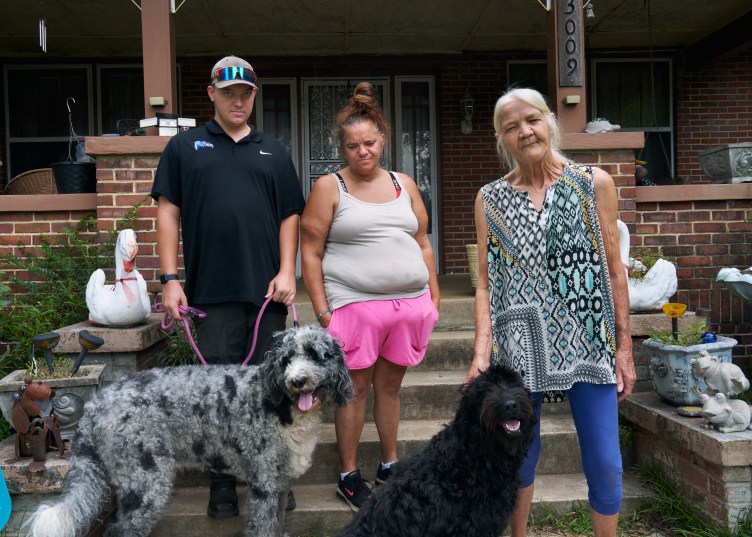
His mother, Crystal Smith, heard about the incident for the first time in June, when we showed her the footage. Sitting at her dining room table in Northern Alabama, with laundry drying on the back of the chairs, she watched in horror as her son was dragged across the screen. “That’s my baby that they did that to,” she said. “That’s not right.”
Her elbows resting on the table and shoulders slumped, she wondered out loud what else had been kept secret.
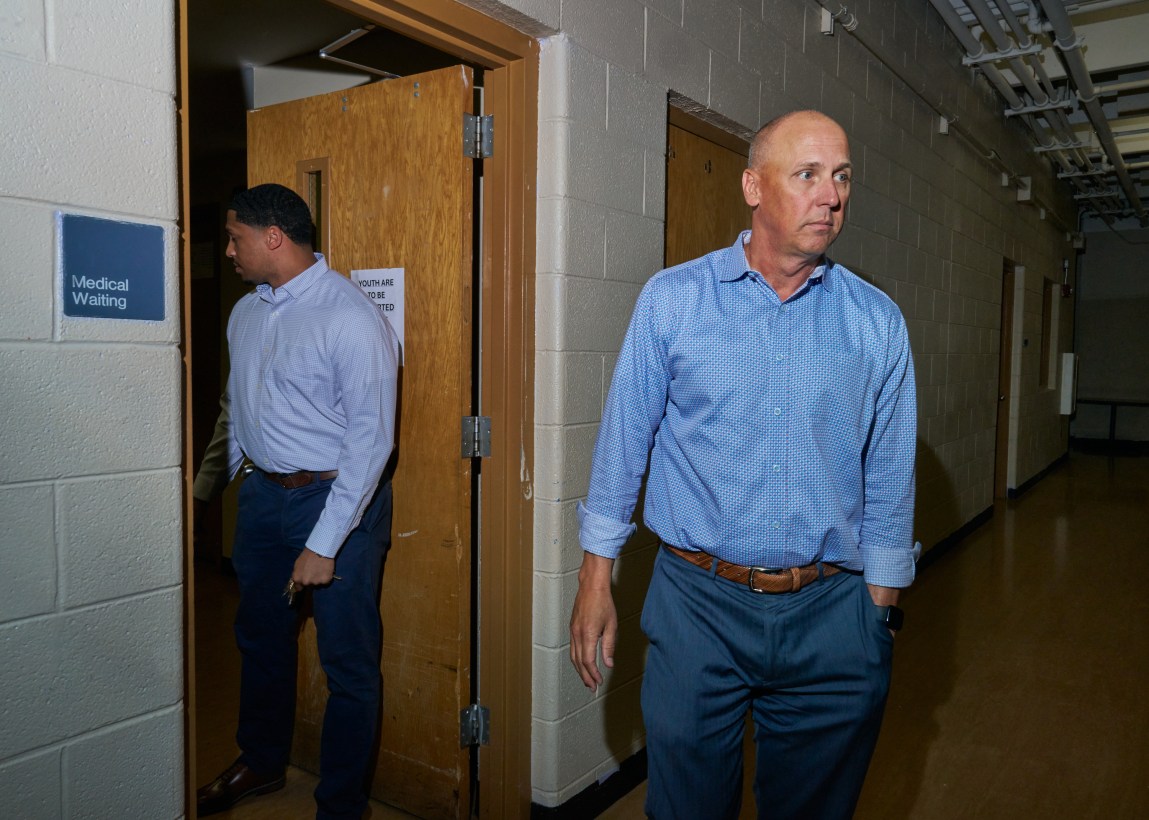
For decades, Crews was a minor player in Tennessee’s juvenile justice system, running just two midsized facilities. But as the state sought operators for its youth prisons, he saw an opening, he told WPLN and ProPublica in April.
Crews’ facilities began accepting teens who other private providers lacked the capacity or desire to handle, becoming an important resource for the Department of Children’s Services. When the state needed a new operator for its largest private youth prison in 2020, it gave Crews the contract.
Mountain View Academy is a high-security facility surrounded by barbed-wire fencing that houses youth who have committed the most serious offenses, including rape and murder. The state also places youth there who have committed nonviolent crimes.
Under its previous operator, Mountain View had been plagued by riots that drew negative press and infuriated locals. Staff called police in the sleepy East Tennessee town of Dandridge regularly for months. In one news report, the town’s mayor said the situation was “not fair to the citizens of Dandridge.”
When Crews took over the Mountain View contract, he promised to get the facility under control. He called the facility a “beast nobody could tame.” Especially in the first months, Crews said, he was a daily presence at the facility, showing up every morning before the kids woke up and helping instill a sense of structure into their routine. But there were still riots, violence and life-threatening injuries inside the prison, according to a lawsuit and interviews with former staff and youth.
One major change was that under Crews, the facility’s problems were kept out of the public eye, former employees said.
The company’s written policy, in effect in early 2020, which WPLN and ProPublica obtained, stated that staff should call 911 “immediately” during a disturbance or riot, but multiple employees said leaders told them something different: Never call for outside help unless Crews or his deputies gave permission. This mandate pressured employees to handle many medical emergencies internally, without calling for help, according to interviews with nine former employees and youth.
WPLN and ProPublica obtained the 2024 version of the company’s emergency response plan for how to handle a riot or disturbance. The directive to call for help immediately was no longer in that policy. “Before law enforcement or emergency services enter our buildings at any time, Jason Crews, CEO must and will be called, no exceptions,” the policy read. It instructed staff to follow law enforcement’s instructions “if Law Enforcement has been called under the authorization of Jason Crews.” A new point was added that reads, “If possible, the disturbance is handled internally.”
In a statement, Wayne Halfway House denied that it ever prevented or discouraged staff from “initiating emergency response in life-threatening scenarios,” calling that allegation “categorically false.” The company pointed to other parts of the 2024 policy, like one for youth medical emergencies, which required staff to call 911 immediately.
The company also shared a new policy for how to handle riots, which went into effect in August 2025 and removes the mandate to call Crews. Now the policy says that staff should notify facility leadership and the company’s state director before police enter the building during a riot or disturbance. The purpose of the plan, the company said in a statement, is to ensure leadership is “simultaneously” notified about emergencies while staff call for help. “Our policies prioritize providing for the safety of all involved and putting our best resources into action when they’re needed the most,” the statement read. “In the rare instances that law enforcement response is required, our policies ensure appropriate staff are notified.”
Wayne Halfway House’s relationship with the police and the community has improved, according to law enforcement. In an interview with WPLN and ProPublica, Dandridge Police Administrative Sergeant Kevin Bunch said, “Call volume and the amount of time that a detective has to spend in this facility has greatly reduced since Mr. Crews’ company took over.”
Just nine months after Crews took over Mountain View, the company’s approach to 911 calls was put to the test.
Late on Nov. 21, 2020, guard Heather Boyd sat in the facility control room and received a radio call from a colleague begging her to call the police. Watching on the surveillance cameras, Boyd saw more than a dozen youth attacking a few guards. Following procedure, she tried to call her supervisor, according to a lawsuit that she later filed against Wayne Halfway House. When 20 minutes passed with no response, she called 911, which sent officers to quash the attack.
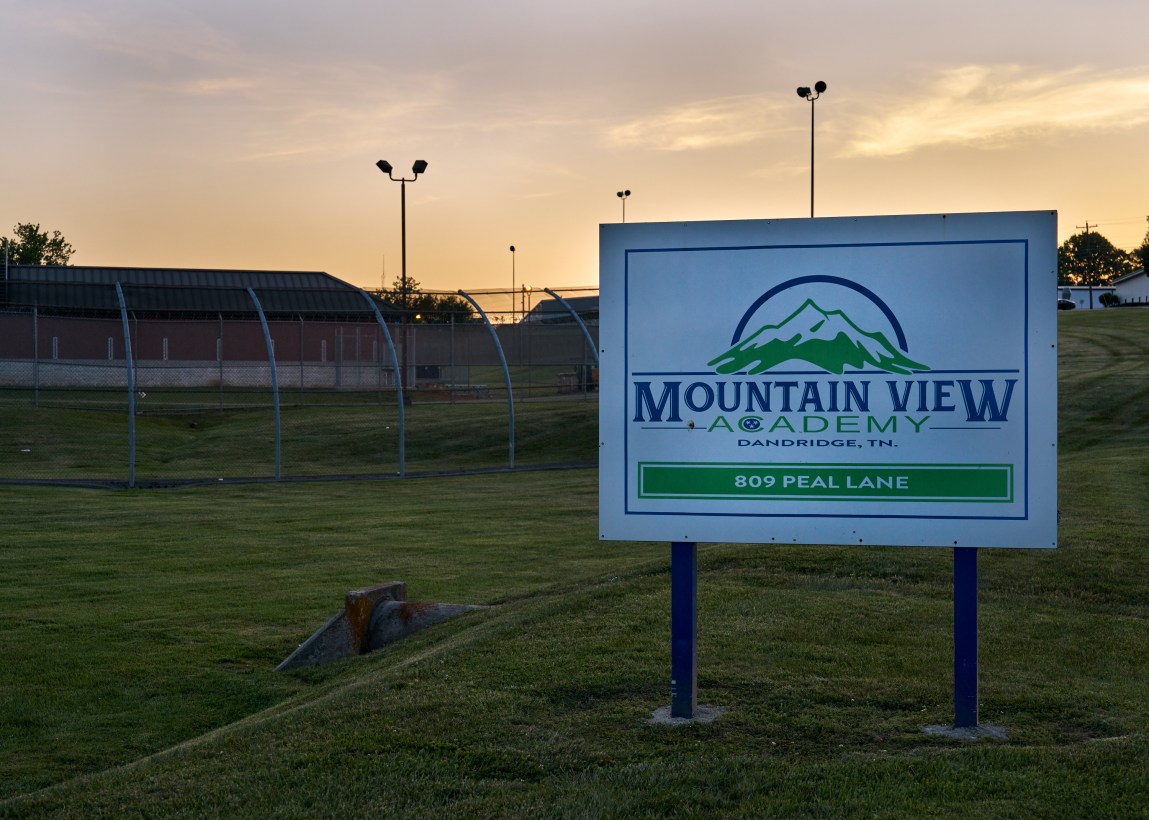
Days later, the company fired Boyd and at least two other guards, including one who was taken to the hospital. In an interview with WPLN and ProPublica, Boyd said company leaders told her they were firing her for “calling outside help” and breaking protocol. In the lawsuit, Boyd described the unofficial policy as “gross negligence and malfeasance.”
“I thought I’d done something to save somebody’s life,” she told us. “You shouldn’t have to choose a person’s life over your job.”
Wayne Halfway House denied many of Boyd’s claims in court, including that the company had a policy stopping staff from calling 911 during a life-or-death emergency and that she was wrongfully fired. Both parties quickly settled the case. The company said in a statement that it cannot comment about the settlement agreement due to its confidentiality requirement. It denied that any of the guards were fired for calling 911.
Two experts on correctional medical care said not every emergency at a facility like Mountain View requires a 911 call. But when it comes to injuries, medical staff should be involved in the decision.
In February 2024, however, Mountain View nurse Brandi Buchanan said she faced pressure not to call 911 despite her own professional judgment. She had witnessed teens attacking a guard in a dorm, smashing his ribs, pepper-spraying him and repeatedly kicking his head.
“We need to call the police,” Buchanan recalled telling other guards. “I’m sure he has internal injuries.” But the guards overruled her.
“I thought I’d done something to save somebody’s life. You shouldn’t have to choose a person’s life over your job.”
Heather Boyd, a former guard at Mountain View Academy who said company leaders told her they were firing her for “calling outside help” and breaking protocol
“We don’t do that,” she remembers one company veteran saying. Instead, employees called the operations manager, who was off duty and on a date. An agonizing 20 minutes later, she said, the manager arrived, and his date drove the injured guard to the hospital. The operations manager did not respond to a request for comment about this incident.
“At that point, I was like, ‘They care more about their reputation than their employee’s literal life,’” Buchanan said. She put in her notice shortly after.
Wayne Halfway House said in a statement to WPLN and ProPublica that the attack was “diffused before law enforcement response was needed” and “contained within a matter of minutes.”
The guard, Jason Zaske, suffered a lacerated spleen, a concussion and broken ribs, according to a GoFundMe set up on his behalf. “He thought he was dying,” Zaske’s wife told local media. The guard was unable to work for weeks.
Crews was angered by the wife’s public comments and wanted to fire Zaske, according to Watts, the company’s HR director at the time, who said she advised him not to. “I was like, ‘You can’t terminate somebody who just got injured at work,’” Watts recalled. Zaske wasn’t fired and went back to work at the company. He and his wife declined to comment for this story but confirmed he no longer works there. The company did not respond to Watts’ allegations but said it continued paying Zaske while he was recovering without putting him on workers’ compensation, which would have reduced his pay.
Several months after the Zaske incident, Watts was terminated by Wayne Halfway House. At first the company said her termination was for failing to meet job expectations, but Watts replied citing her latest performance review in which Crews said she was “a tremendous asset to the company.” The company sent her a revised termination letter saying it was going in a different direction. After she left the company, Watts filed a sex discrimination complaint against Wayne Halfway House with the Equal Employment Opportunity Commission, which declined to investigate.
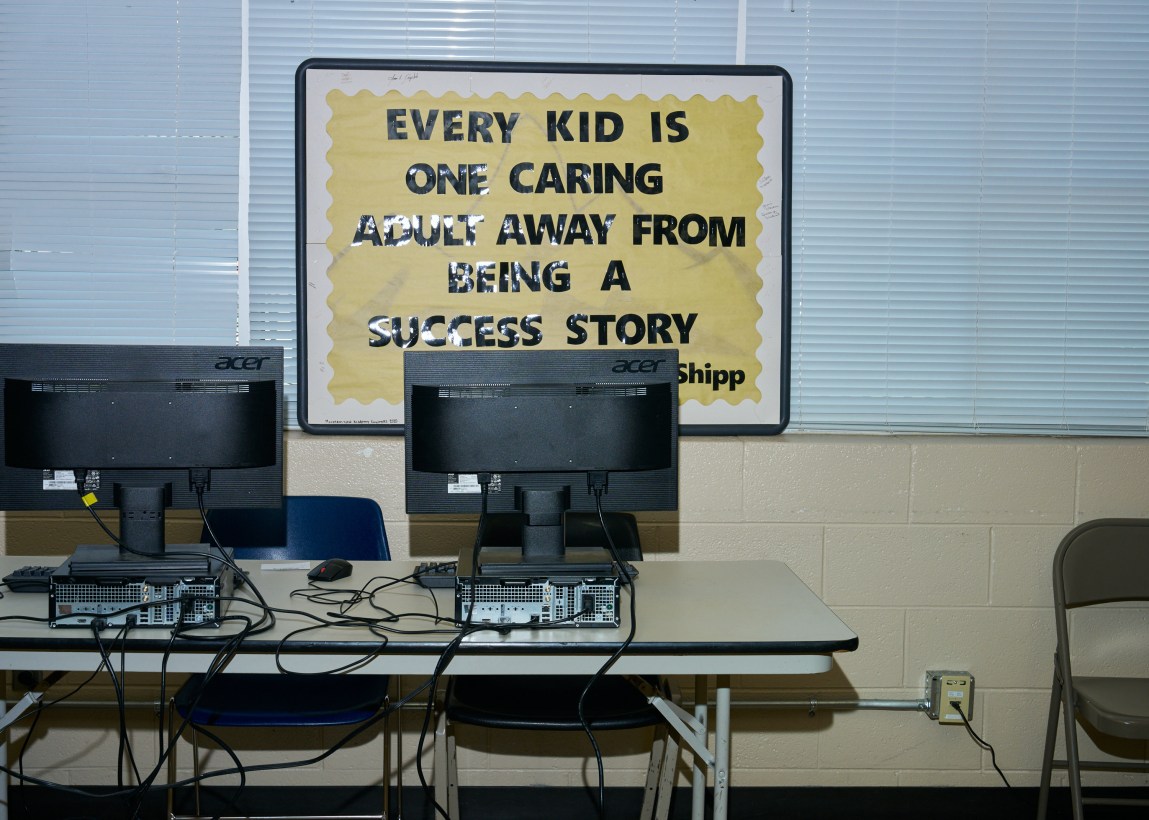
WPLN and ProPublica spoke with more than three dozen former employees of Wayne Halfway House and former residents who said they knew of serious problems that endangered youth and staff inside the company’s facilities. Of those, more than a dozen said that Wayne Halfway House failed to report grave safety failures as required, preventing the state from learning about problems in its facilities.
In Tennessee, juvenile justice providers are required to report abuse and other serious incidents in their facilities to the state Department of Children’s Services, which then decides whether to investigate. Facilities must notify the state of significant incidents — including serious injuries to youth, escapes or restraint use — within 24 hours.
Wayne Halfway House said it designates specific facility leaders to report serious incidents directly to the state, which the company said is “consistent with best practices.” But a dozen lower-level former staff members said they didn’t trust management to file reports or to do so thoroughly, and two former managers said they felt pressured by the company not to report at all even though they were authorized to do so. One of those managers, who spoke on the condition of anonymity out of fear of career repercussions, said Crews told them to stop reporting as much to the state because it would make the company look bad.
Separate from a facility’s requirements to DCS, Tennessee law requires individuals to report any suspected child abuse, including physical and sexual abuse, to the department immediately. Nine former Wayne Halfway House staff members said they feared for their jobs if they reported serious incidents, including some suspected cases of child abuse, directly to the state. Several of them said they were pushed out after doing so. “The rebuke would be harsh and sometimes up to and including termination if we reported out,” said Mario Brown, a former therapist at Mountain View Academy. Brown was not fired from the company.
The company said that it did not fire staff for reporting abuse and that staff members have an individual legal responsibility to report child abuse and neglect to the state. Employees scared about retaliation could report anonymously to DCS, the company said. “WHWH is well aware that terminating an individual for them reporting incidents of this severity would create potential legal liability for the company.”
Webb, the former medication supervisor at Middle Tennessee Juvenile Detention Center, said that around the time when Jarvis was forced into a cell by other teens, management failed to report another violent altercation to the state. A surveillance video from 2024 shows the facility administrator, Lynda Odom, grabbing a girl by her wrists, backing her into the corner of the room and pulling her into a headlock. “I’m grabbing your neck because you need to stop,” Odom yelled as the girl struggled. Two other staffers helped to break them up, and one dragged the girl away screaming.
WPLN and ProPublica obtained a recording of the video; Webb did not provide it.
Webb said she went to the company’s director of compliance, Kelly Banks, who was visible in the video attempting to hold Odom back, and asked her if she was going to report the restraint to the state. Banks said she would handle it, according to Webb. Banks did not respond to requests for comment.
Odom, who no longer works at the facility, said that she followed proper procedure in restraining the girl and that no one had reached out to her to investigate the incident. “There was nothing to report,” she said when WPLN and ProPublica reached her by phone.
WPLN and ProPublica played the video for leaders at Handle With Care, the restraint training company used by Wayne Halfway House. The company said it “does not teach headlocks as restraint techniques.”
Crews declined to respond to questions about the incident. According to Wayne Halfway House, Webb was later fired for creating a hostile work environment. Webb said company leaders asked in her termination meeting if she had kept the videos of youth being harmed; she believes the company fired her for insisting leaders report incidents to the state.
Sexual relationships between staffers and incarcerated youth are illegal under any circumstances, but nearly two dozen former employees and teens said they suspected abuse was taking place in Crews’ facilities.
Five former staff members said they did not report suspected sexual abuse as required under state law because they were scared of retaliation from leadership, and two said they didn’t know it was a requirement.
Two former employees, one from Mountain View and the other from Standing Tall Music City, a Wayne Halfway House facility in Nashville, recalled talking to company leaders about specific cases of staff suspected of sexually abusing youth. They said they were not aware of the incidents being reported to the state.
The former Standing Tall employee, who spoke on the condition of anonymity out of fear of retaliation from the company, described confronting a female guard after finding her in a room with a youth alone. The former employee said they suspected the guard was sexually abusing the youth and reported it to the facility administrator, hoping he would begin an investigation. But a federal report that tracks sexual abuse in prisons showed no employee abuse or harassment of youth was reported to or investigated by the state in that facility in 2021.
Wayne Halfway House said it reported this incident to the state last week after WPLN and ProPublica asked the company about it.
Brown, the former Mountain View therapist, recalled a separate incident of suspected sexual abuse, which he did go on to report: a child whom he watched deteriorate session after session. Eventually, Brown said, the boy told him that a nurse at the facility had sexually assaulted him. Although Brown worried about getting fired, he reported the alleged abuse to the state. Shortly after, the child was moved out of the facility.
Wayne Halfway House said in a statement that it has documentation that rebuts Brown’s version of events but cannot comment further because of confidentiality reasons.
Brown eventually resigned. “It got to the point where this had weighed heavily on my mental health,” he said.
His main regret, he said, was leaving behind youth who trusted him.
Brown later returned to work for Wayne Halfway House, he said, because of his dedication to the kids. He no longer works for the company.
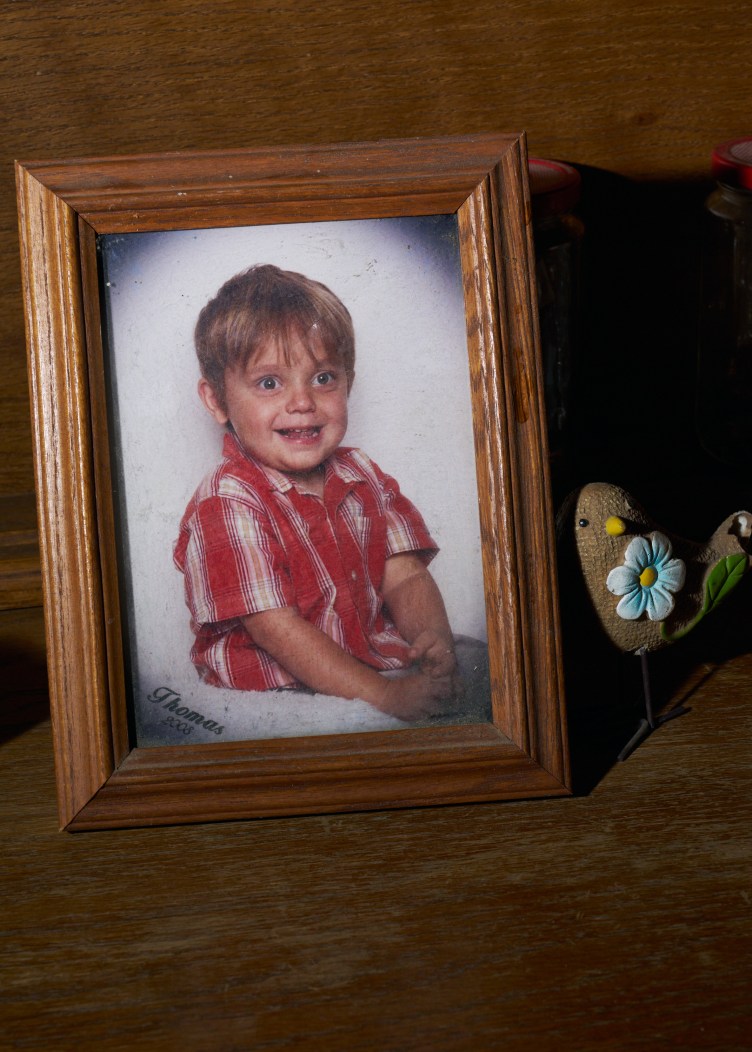
Years before Jarvis was dragged across the floor of Middle Tennessee Juvenile Detention Center, he was badly injured inside another Crews facility, according to Jarvis’ DCS case file. That time, too, the facility failed to report the incident to the state as required.
Jarvis landed in September 2021 at Hollis Academy, Wayne Halfway House’s flagship facility in rural Middle Tennessee. He had been there for several weeks when the company requested DCS move him to another provider. Right after, his case manager picked him up and took him to a routine doctor’s appointment at the health department. His file, which his family shared with WPLN and ProPublica, states that a medical provider discovered he had bruises in various stages of healing covering 80% of his body. Jarvis said the other youth had assaulted him.
“With this amount of bruising staff had to be aware,” a child abuse report submitted to DCS read.
A DCS investigator looked into the case and interviewed facility leadership. The facility, he said, never reported the injury to Jarvis’ state case manager or to the state as required. The documents don’t mention any repercussions for the facility, and DCS said it cannot comment because of juvenile confidentiality laws.
Wayne Halfway House declined to comment about this specific incident, citing a youth’s right to privacy. The company said it was not able to file a report for a youth no longer at the facility. But documents show that Jarvis had been at the facility for weeks when the bruising occurred.
Jarvis spent nearly three and a half years in state custody after being charged with arson for lighting his stepdad’s three-wheeler on fire. He was released from Mountain View in March 2025 following a court hearing.
Incarceration seems to have only worsened his trauma, said his grandmother Chris Stone, who took him in to live with her. Jarvis still seems angry, Stone said, and sometimes he threatens suicide. He never discusses what happened to him inside.
Inside her dimly lit brick home in Northern Alabama, with curtains drawn against the summer heat, Stone wept while recalling the assault her grandson endured while he was already at a low point. She still struggles to understand why the facility never informed her or other family members — and she wrestles with anger and guilt.
Sitting on the couch, she turned to her grandson, her blue eyes fixed on him. “Thomas, with my temper, something would have went down,” she said. She told him she never would have let the company hide what happened.
He sat silently beside her, without meeting her eyes.
#Jason #Crews #Wayne #Halfway #House #Failed #Report #Abuse #Staff #ProPublica