wellnessfitpro
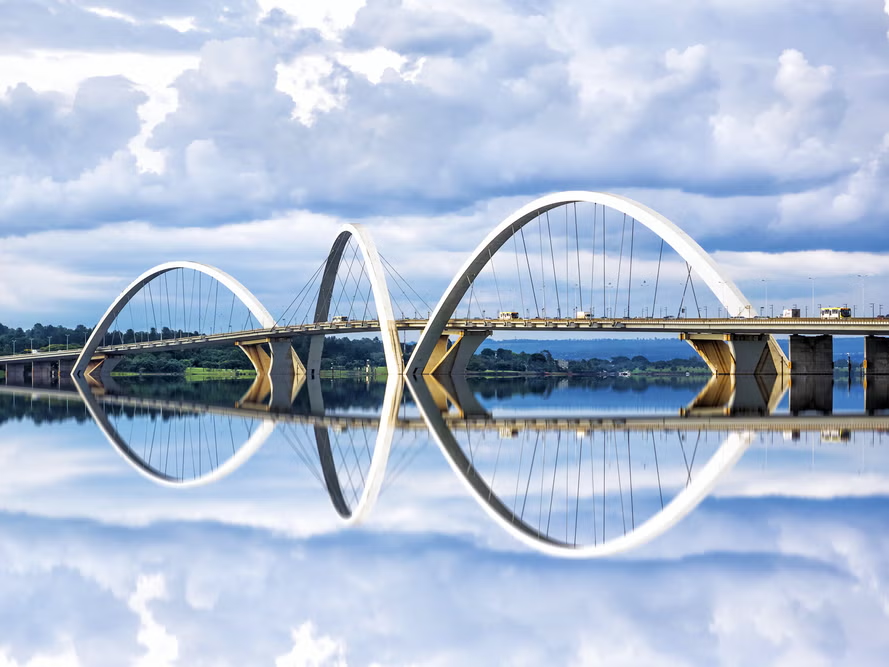
The public dislikes modern architecture but, generally speaking, they do not dislike modern bridges. Lists of the most awesome, most stunning, most beautiful bridges in the world will mention classics like London’s Tower Bridge, the Brooklyn Bridge, or the Rakotzbrücke but alongside them they will picture the Kubitschek Bridge in Brazil (Shutterstock).
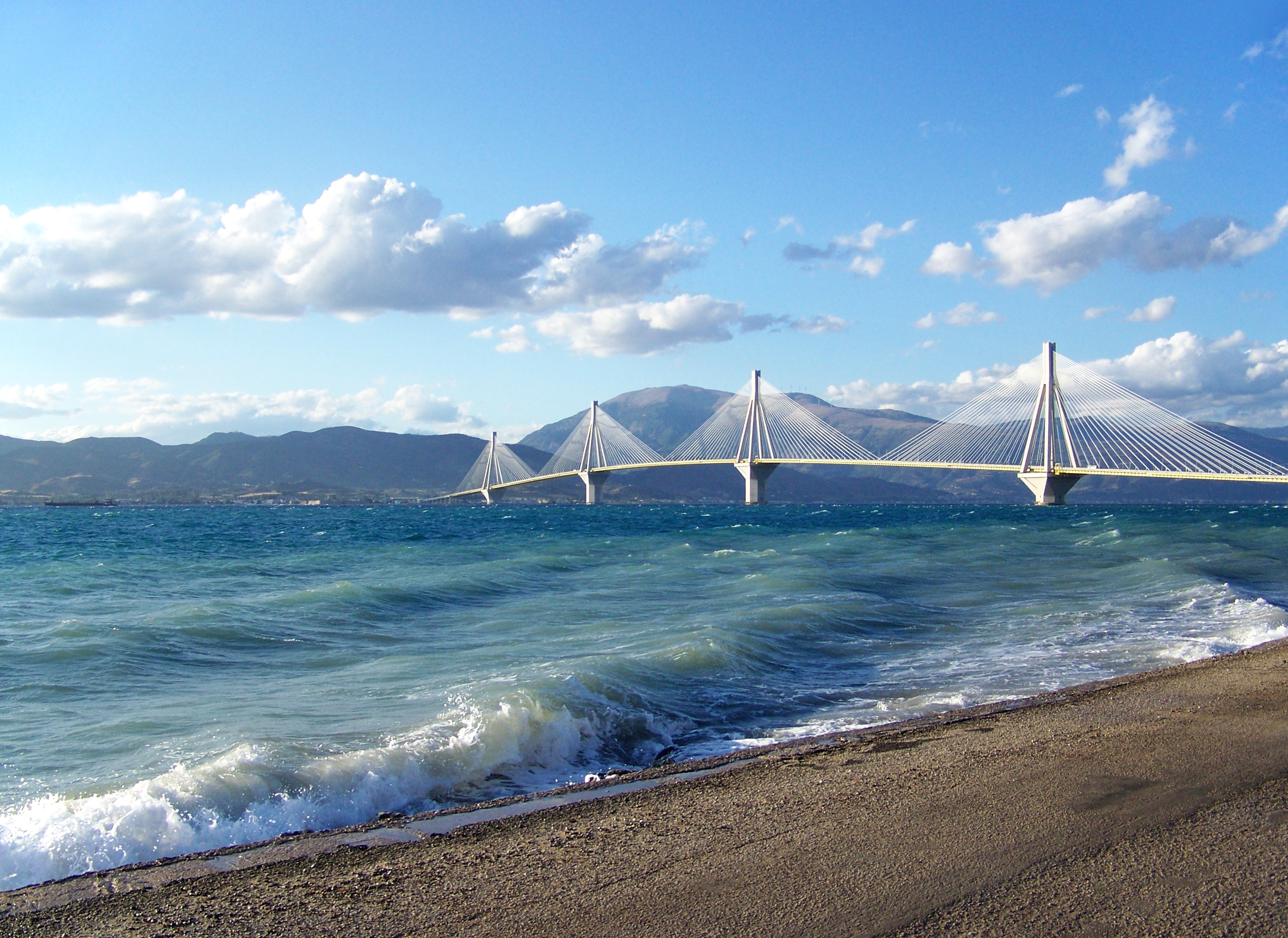
 The Rio-Antirrio Bridge in Greece:
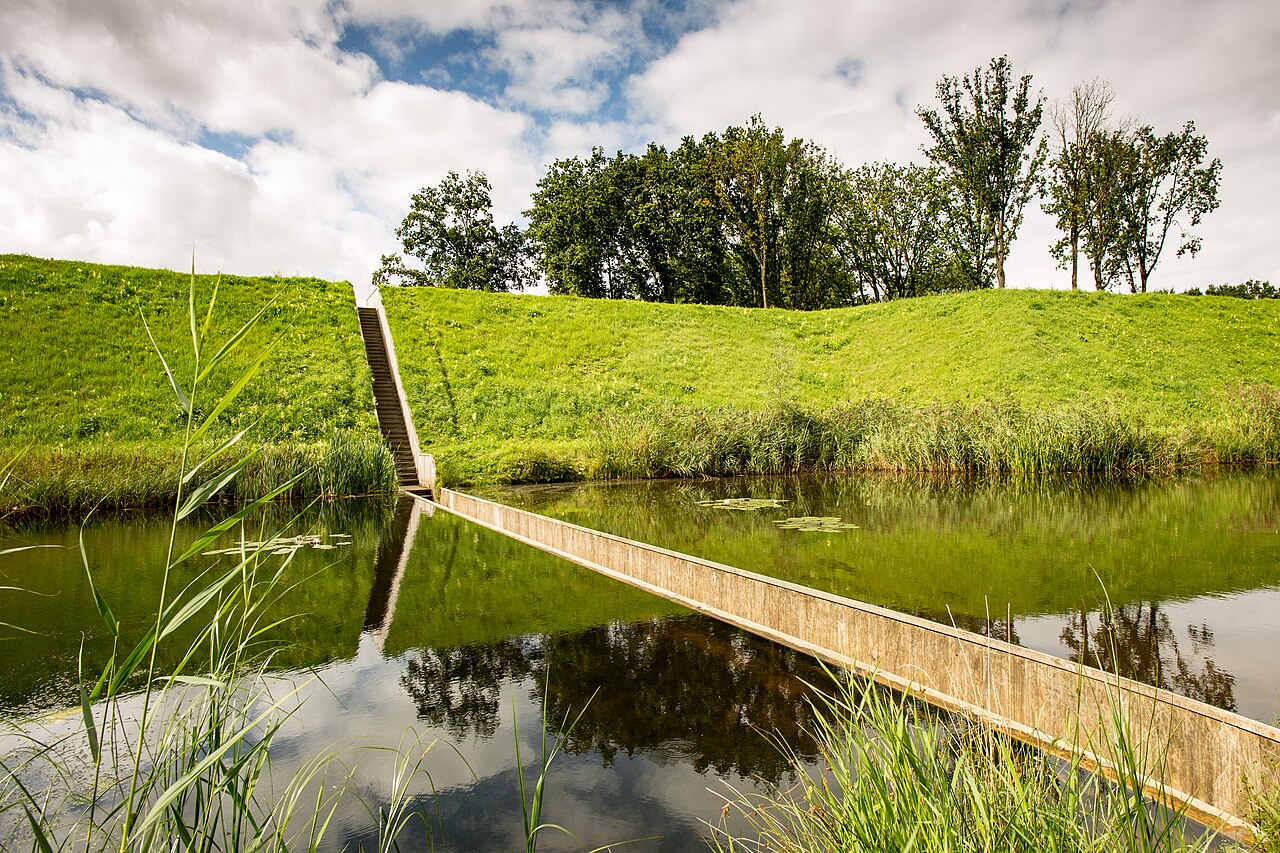
 or the Moses “Bridge” in the Netherlands.
Whether you like these bridges or not, I don’t see in the literature an idea that modern bridges are all ugly or that modern bridge building has failed or fallen behind the great bridges of the past in the way that there is such a critique for modern architecture in general.
Why is this? I have a theory, which is that bridge designers come from engineering schools rather than schools of architecture. It is possible, of course, that there is something in the nature of bridges that prunes the design space in a way that attracts beauty–maybe we like catenaries, arches, cables in tension and beauty is just a byproduct of the engineering.
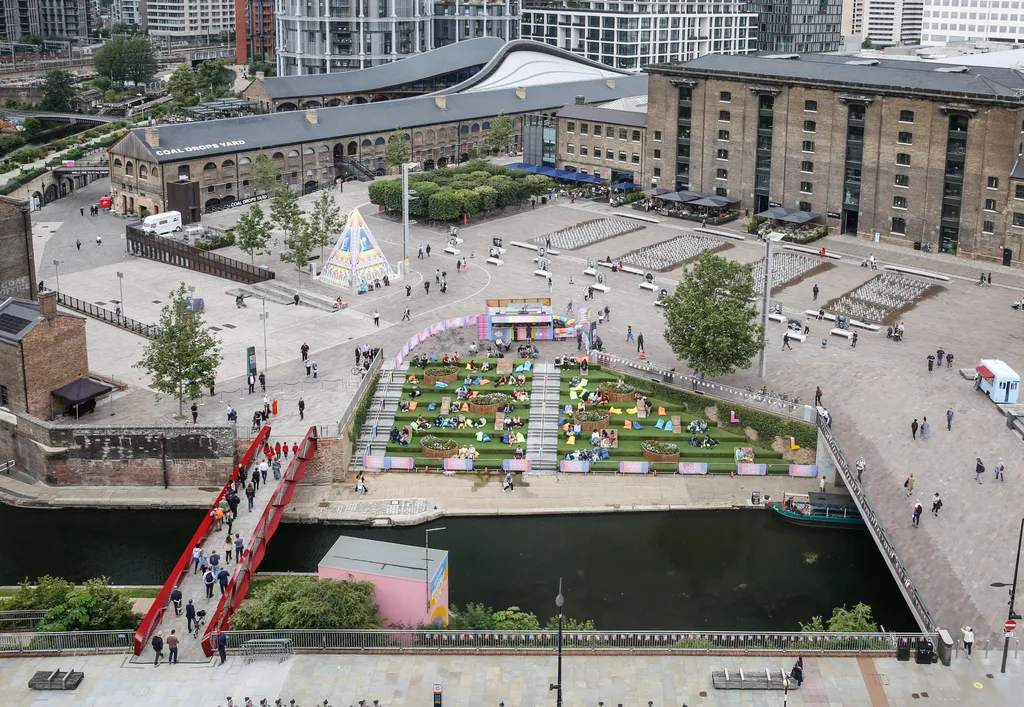
It is possible, however, to produce ugly bridges so it’s not just an engineering constraint. Moreover, one small but telling piece of evidence in favor of my theory is that most of the bridges chosen by Wallpaper magazine, an architecture magazine specifically, are in fact ugly (and with no overlap in the bridges from my first category of “popular” beautiful bridges). Here are a few, judge for yourself:
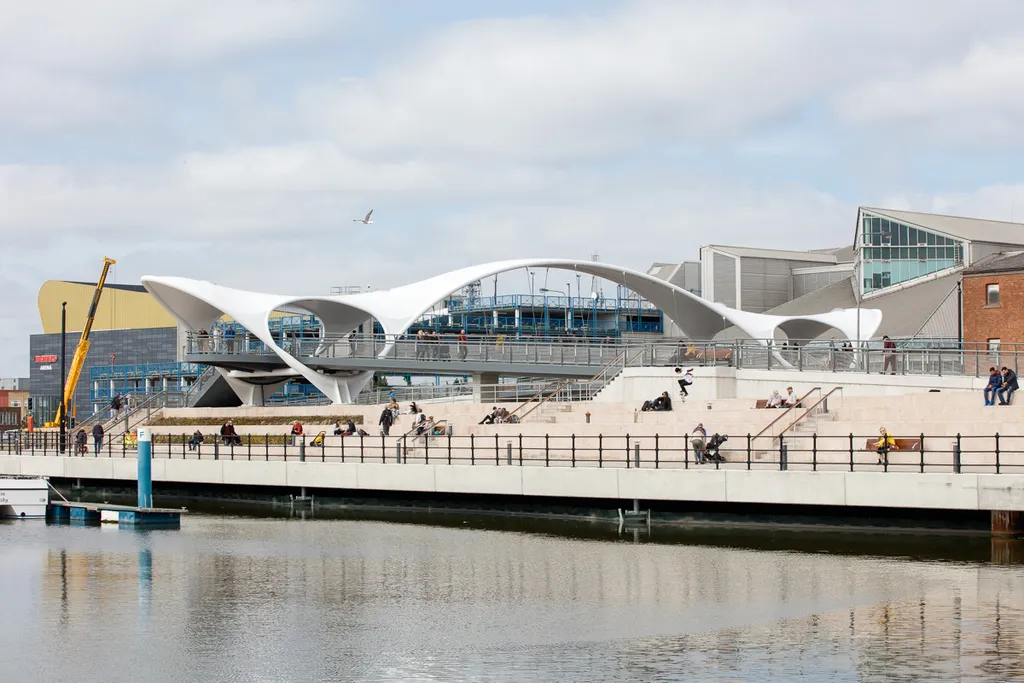
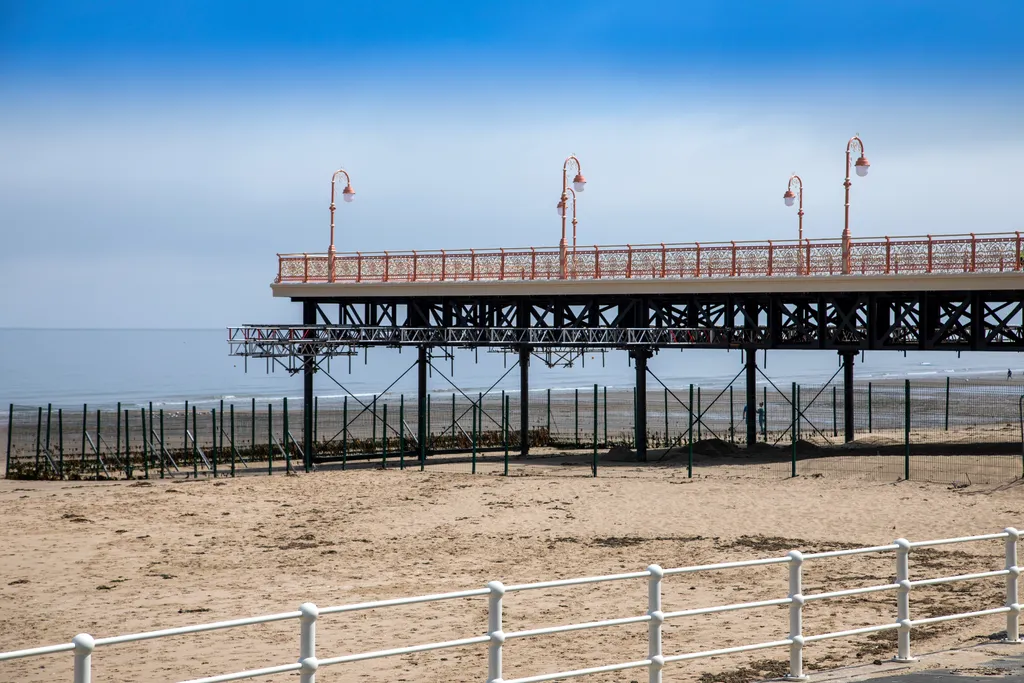
The fact that modern bridges are often beautiful, especially when they come from engineers, is consistent with Samuel Hughes’s argument that ugly has been a choice, not a constraint.
The post Why Aren’t Modernist Bridges Awful? appeared first on Marginal REVOLUTION.
#Arent #Modernist #Bridges #Awful