wellnessfitpro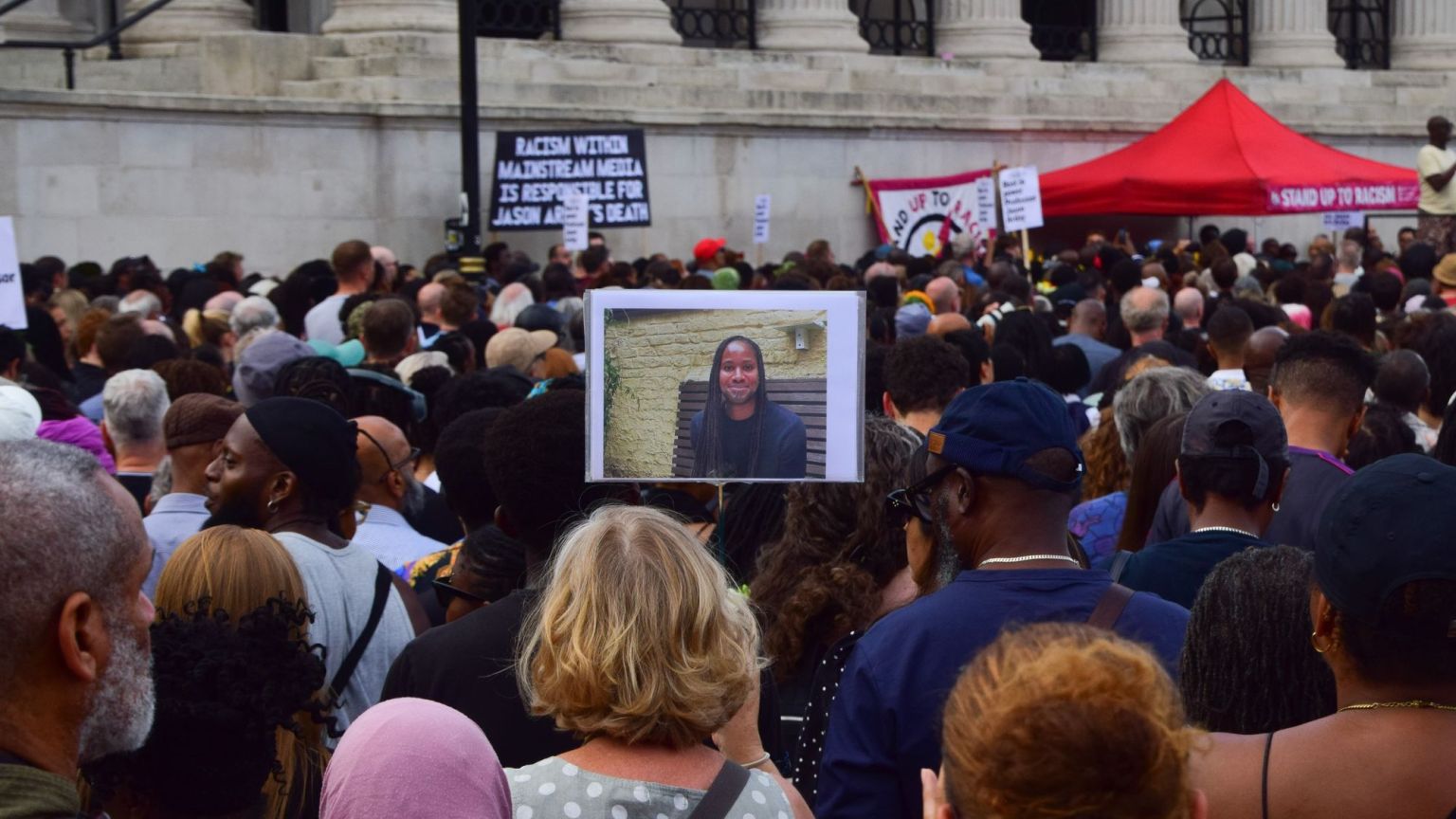
Suicide is pernicious. It is a tragedy that passes unbearable grief to loved ones forevermore. The unanswered questions torment those left behind because no one is ever truly sure what happened. We need to know what happened – it allows us to make sense of things. But suicide withholds this.
In many ways, suicide passes the pain on to other people. One suicide begets more suicides. It’s an extremely contagious event. Perhaps because it offers a false escape hatch for people who are in mental pain, when one person takes it, the idea is somehow vindicated and others follow.
None of this is new. We have known for centuries that suicide can be contagious. After Goethe published The Sorrows of Young Werther in 1774, reports emerged of young men imitating his suicidal hero. It became known as the Werther effect.
The removal of the shame and secrecy that once surrounded suicide was welcome. But it created another problem: how do you talk openly and compassionately about suicide without encouraging contagion?
That is why, back in 1989, suicidologists, psychiatrists, psychologists, public-health officials and journalists gathered in the United States to establish recommendations to reduce suicide contagion. Their conclusions were explicit. They warned against glorifying people who died by suicide and against presenting suicide as a means of accomplishing an end. They also cautioned against public eulogies and memorials that might give vulnerable people the impression that society was honouring the suicide, rather than mourning the death.
For these reasons, the vigil for Jason Arday in Trafalgar Square last week should never have taken place. Stand Up To Racism organised this vigil in order to remember Arday and, presumably, to highlight the dangers of racism. But in doing so, it risked encouraging copycat suicides.
Thousands of people gathered beneath Nelson’s Column for the Arday vigil. There were flowers, speeches and placards reading ‘Rest in Power Professor Jason Arday’. Speakers presented Arday not simply as a man whose death was desperately sad, but as a victim and even a martyr. A villain was identified – Nathan Cofnas, one of the researchers who drew attention to Arday’s plagiarism – and he was booed by the crowd.
The irresponsibility of this is almost impossible to overstate. People who are suicidal fantasise about exactly this kind of overblown romanticisation of how they will be mourned, appreciated and valorised after death. They imagine everyone crying their eyes out at their funeral.
We all do this a little. Most of us know what it’s like to indulge ourselves with the idea that one day our very worst enemies will be publicly forced into regretting their harsh words to us. We daydream that one day we will be understood as heroes to everyone we know. This fantasy should never have been staged in Trafalgar Square.
In 1994, five years after the release of the media guidelines on suicide, Kurt Cobain killed himself. There were enormous fears about what would happen. Cobain was almost the perfect candidate for romanticisation – young, beautiful, troubled, world-famous and an icon of alienated youth.
Yet the response was remarkably restrained. Researchers subsequently found that the expected rise in suicides did not occur, although calls to crisis lines increased substantially, especially in Seattle, where he died. It is believed that the unusually responsible media and public-health response may have helped. The response deliberately worked against making his suicide heroic.
Twenty years later, when Robin Williams died by suicide in 2014, the media environment had changed. Social media had ridden roughshod over the old media guidelines. Researchers subsequently found 1,841 more suicides in the United States between August and December 2014 than their statistical model predicted, an increase of almost 10 per cent. We cannot say that Williams’s death caused those deaths. But the association is precisely why suicide researchers take contagion so seriously.
Arday’s treatment was not unique. Others have come through similar public maulings. James Frey endured an onslaught after parts of his supposedly autobiographical A Million Little Pieces were exposed as invented. Rachel Dolezal and Belle Gibson became international objects of ridicule when their fabrications came to light. More recently, The Salt Path controversy had many of us glued to our screens as another inspirational life story was ripped apart.
Arday’s story had all the ingredients of an irresistible scandal. The combination of the silly season, Arday’s good looks and his outlandish claims, coupled with the nerdy intensity of Cofnas – with his controversial views and mad-scientist vibe – made the story impossible to ignore.
The response to Arday’s death was depressingly predictable. The academics went to war against the journalists. The journalists retaliated and turned on academia. The right blamed DEI while the left blamed the right.
Arday was in the middle of it all. But in choosing suicide, he left behind grieving friends, a family and two fatherless children. We cannot know what happened in his final moments. Whatever Cambridge University did to fulfil its duty of care, it wasn’t enough to save his life. Yet people choose suicide for a whole raft of reasons – typically, many different issues have converged. It is therefore not only dangerous but also inaccurate to reduce his death to a simple morality tale in which journalists criticised him and he died as a consequence.
Jason Arday is dead. What should have brought sobriety instead brought a vigil. For a person already experiencing suicidal ideation and in a state of high emotion, what exactly is the message here?
If the saddest story in the world unfolds tomorrow and another famous figure dies by suicide, we should mourn him, grieve him and talk about his life. Talk about the complexity of suicide. Talk, above all, about the possibility of surviving unbearable distress. But we should never turn his suicide into his apotheosis. We should never give suicidal people reason to believe that death is the moment when the world will finally love them.
Stella O’Malley is a psychotherapist. She is also the director and founder of Genspect.
#Jason #Arday #vigil #psychologists #warn