wellnessfitpro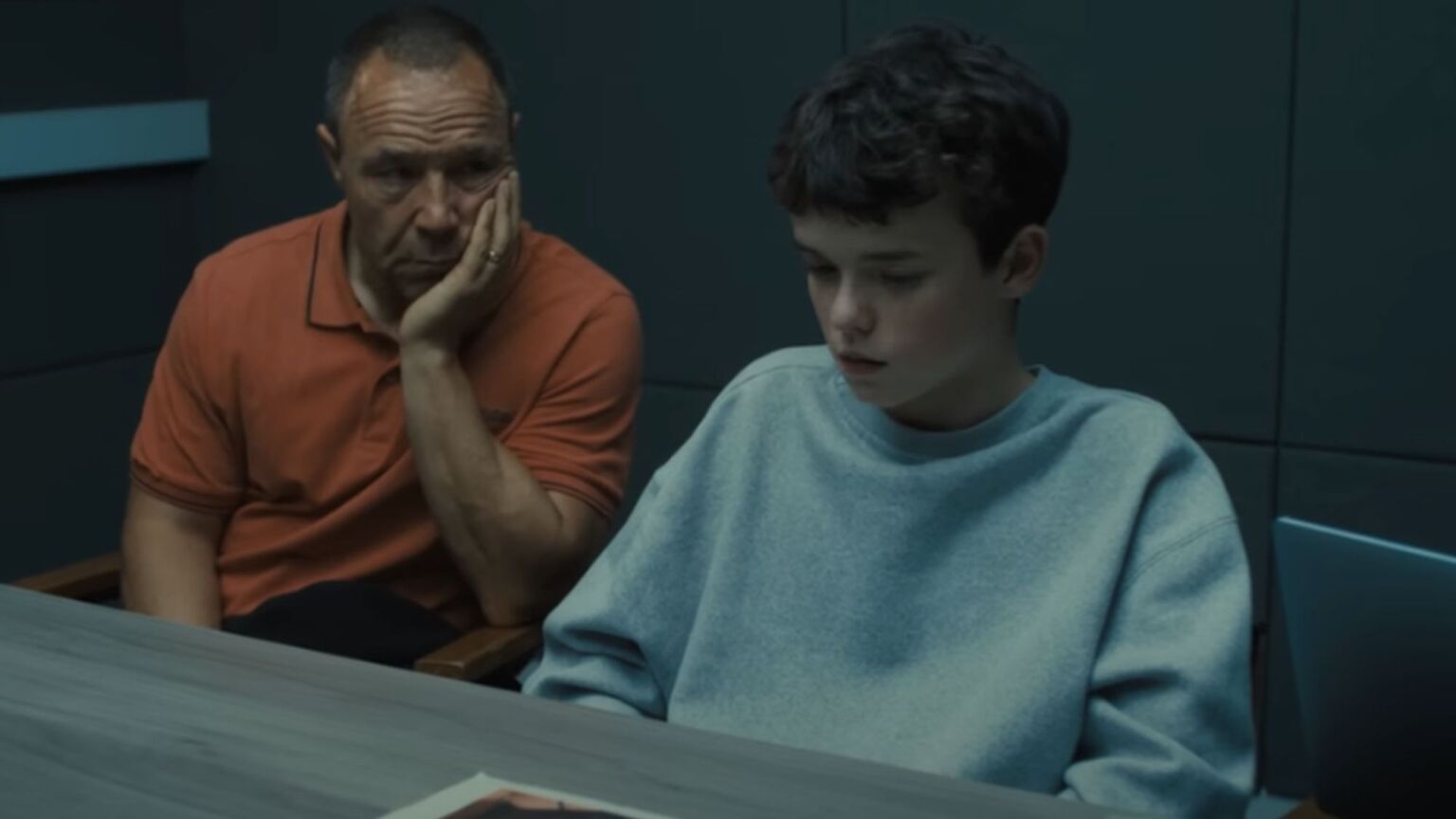
‘By tackling the early roots of misogyny… the government hopes to prevent young men from becoming violent abusers’, surmises the BBC. Such rhetoric is quite astounding. Is it really a given that thousands of British boys will grow up to be ‘violent abusers’ if the government doesn’t manage to divert them on to a different path? Are we not even slightly concerned about what such a suggestion communicates to a teenage boy during what is already one of the most confusing, self-conscious periods of his life? Ironically, if you wanted to stoke actual societal grievance among young men, this is exactly how you would go about it.
One of the key issues with mythical misogyny, as opposed to material misogyny, is that its definitions are ever-expanding. ‘Toxic masculinity’ is a phrase that can encompass all kinds of behaviour, ranging from aggression, crass language toward women to the innocuous desire to adopt typically masculine traits. The Greater London Authority (GLA) provides a handy list of misogynistic behaviours, in which ‘catcalling’ and ‘stalking’ appear alongside baffling additions such as ‘confident and self-centred behaviour’ and being ‘competitive’. The examples of sexist phrases the GLA insists should be called out are ‘boys will be boys’, ‘my ex-girlfriend is crazy’ and ‘she’s such a drama queen’. The fact that the list ends there suggests that these really were the worst that the GLA could come up with.
The GLA, chaired by London mayor Sadiq Khan, oversees an ongoing, city-wide anti-harassment campaign which began in 2021. This multi-million-pound initiative is best known for a series of colourful posters situated throughout the London Underground, reminding people that ‘staring’, ‘exposing oneself’ and ‘unwanted touching’ are forms of ‘sexual harassment and will not be tolerated’. Seeing as sexual assaults on the London Underground have reached a five-year high since the start of the campaign, it is safe to assume that these handy hints have not had the intended effect.
Then again, it is not entirely clear what the intended effect is. Like the government’s anti-misogyny courses, TfL’s anti-harassment campaign’s obsession with ‘awareness’ is woefully misguided. Posters, infographics, consent classes, a group-watch of Adolescence in the science room after school – in what world are these effective ways of combatting abuse? These initiatives serve no other purpose than chastising men and boys who haven’t done anything wrong, while painting those who have as unfortunate cases that ‘slipped the net’.
The appeal of mythical misogyny to the political class is clear. It allows politicians to continuously blame the public for their supposedly misogynistic attitudes, rather than face up to the failings of the state, from the police to the judiciary. Politicians can ignore the actual victims of sexual violence, from the so-called grooming-gangs victims to those assaulted by asylum seekers, while standing in pseudo solidarity with an abstract mass of woman-kind.
Material misogyny does not allow for such slipperiness. Take the grooming-gangs scandal. Thousands of girls, some of whom were pre-pubsecent children, were systematically raped by organised gangs over decades, and the authorities, care workers and local councils were complicit in covering it up because they feared a race riot. There can be no question that heads must roll.
Or when women and children report being sexually assaulted in pubs, clubs, beaches, trains, graveyards, rooftops and parks by men who have no legal right to be in the country, it is clear that the time to ‘do better’ has long since passed.
An allegation of rape or assault is levelled at an asylum-seeker just about every week in modern Britain. According to a 2025 analysis by the Centre for Migration Control, foreign nationals are three times as likely to be arrested for sexual offences as their British counterparts. Also last year, the Telegraph identified 109 men from just 50 asylum hotels who had been charged with violent offences over a 12-month period. These included 44 sexual offences.
The willingness of the UK’s political class – even those who claim to be most concerned against VAWG – to turn a blind eye to this issue is staggering. During an LBC radio interview last year, host Tom Swarbrick asked Jess Phillips whether importing thousands of men from patriarchal cultures to Britain might be having an adverse effect on the women who live here, she visibly floundered. ‘Which culture doesn’t have patriarchy and misogyny in it?’, she said. Given that she said the British strain of patriarchy should be treated the same way as any other ‘extremist ideology’, her fear of criticising genuinely backwards, misogynistic cultures is telling. She concluded her interview with Swarbrick by telling him that the people who are ‘most likely to abuse’ are not men from any particular walk of life, but ‘men’, full-stop.
#era #mythical #misogyny