wellnessfitpro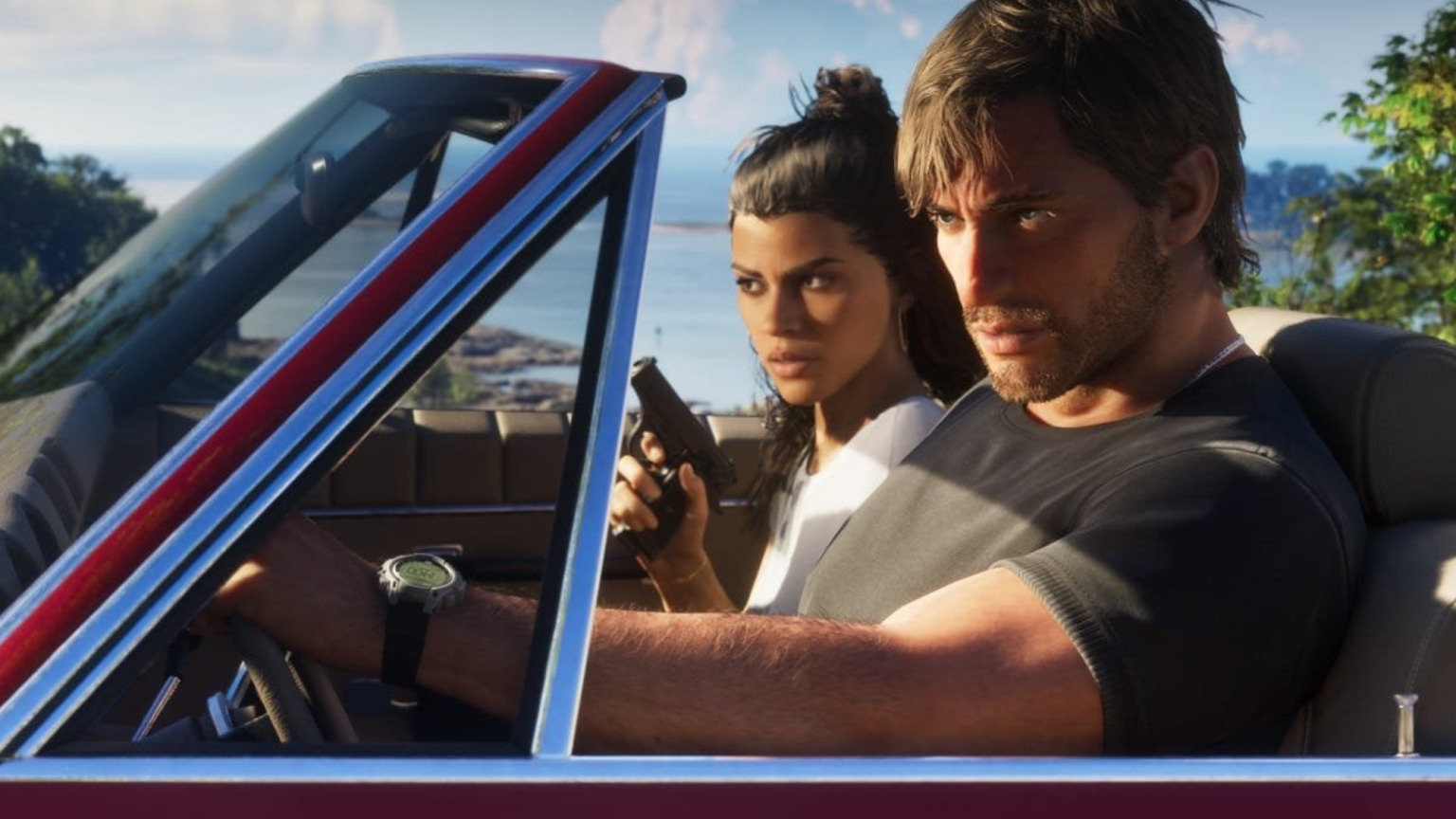
Fans of the Grand Theft Auto series – videogames in which you steal cars, shoot prostitutes and rob banks – might seem like a strange demographic to make a fuss about their consumer rights. Yet, on the eve of the release of Grand Theft Auto VI, the gamers are fighting back – and they have plunged the industry into meltdown.
The stakes of this dispute are bigger than you might think. GTA VI is the most anticipated videogame ever made. It is so popular that, in its first week, it will significantly outgross even the recent billion-dollar blockbuster, The Odyssey. At least it was destined to, until parts of the game were leaked online ahead of its planned November release. The group claiming responsibility – CyberLeek – has released gameplay footage and images of the game, while threatening to publish more unless the owners of GTA give in to gamers’ demands.
So what exactly does CyberLeek want? In a strange Robin Hood twist, the answer isn’t money. Shortly after the leaks, the group released a manifesto calling for the end of what it calls ‘anti-consumer practices’ employed by Rockstar Games, the owner of the GTA franchise. This includes an end to digital pre-orders and additional paid content, as well as a demand for an ‘offline fallback’, which woud allow games to remain functional after their online servers are shut down. Basically, CyberLeek is breaking the law to strike a blow for gamers’ rights.
The hackers’ demand for physical media is especially notable. Although Rockstar is offering a ‘physical edition’, there will be no disc in the box, just a download code. In other words, you can buy a physical copy of the game, without actually owning a physical copy of the game.
One of the major concerns among gamers is about what it means to ‘own’ a game in the digital age. The Stop Killing Games campaign has argued that publishers should not be able to make games that have already been purchased permanently inoperable by switching off their servers. The campaign has attracted more than a million signatures.
The immediate concern is not that Rockstar will make GTA VI unplayable anytime soon. It is that a download code provides no permanent physical copy of the game itself. If the digital licence or infrastructure required to access it disappears, consumers have no disc to fall back on, and they may eventually lose access to the product they spent $80 on.
It would be easy to dismiss this as an insignificant squabble among gamers. But there is nothing insignificant about gaming these days. While videogames might not possess the cultural cachet of Hollywood, they absolutely dwarf the film industry in terms of revenue. The figures from 2025 put the global games market at around $201.6 billion, across mobile, PC and console gaming. By comparison, the 2025 global movie box office totalled an approximate revenue of $33.6 billion. This divide is expected to continue growing, with global videogames revenue forecast to hit $300 billion by 2029 – which, if met, will exceed both the film and music industries combined.
Rockstar sits firmly at the top of this multibillion-dollar industry. Founded in 1987 as DMA Design, what began as a relatively small Scottish game studio would go on to create one of the most valuable entertainment franchises in history, all thanks to GTA.
So the financial stakes are high. Indeed, Rockstar’s publisher, Take-Two Interactive, has based a significant chunk of its 2027 forecast around the arrival of GTA VI. And Rockstar has spent years building GTA VI into one of the most heavily guarded entertainment releases in history. Its marketing campaign has been carefully controlled, with the company releasing footage on its own terms ahead of a November launch.
Then the leaks happened. Since mid-August, CyberLeek has released a stream of purported GTA VI gameplay footage, images and other material online, blowing a hole straight through Rockstar’s carefully prepared marketing strategy. The leaks have escalated from short clips to footage that appears to show a playable build of the game. As a sign of just how seriously it is taking the breach, Take-Two Interactive has gone to court to force Microsoft and Discord to hand over information that could identify those responsible.
The market has already shown some nervousness. Take-Two Interactive temporarily lost around $2.8 billion in market value after the leaks emerged, and the damage may not stop at the share price. Rockstar could be forced to change its marketing campaign, accelerate content that it had intended to reveal later, or even delay elements of the launch. At present, there is no evidence that GTA VI itself has been delayed – the game remains scheduled for 19 November – but the more material CyberLeek releases, the harder the situation becomes to control.
CyberLeek’s complaints tap into a wider frustration with an industry that has become increasingly adept at swindling customers. Loot boxes, for example, are virtual items you can access in-game, bought with real money whose contents and value are determined by chance. To people who leave their rooms, this is known as gambling.
No GTA game to date has had loot boxes and there is nothing to suggest GTA VI will include any. However, that is not to say Rockstar hasn’t embraced increasingly elaborate ways of getting into your wallet. Its $100 ‘Ultimate Edition’ of GTA VI costs $20 more than the standard version. In other words, Rockstar is explicitly selling different tiers of access to the same game. Many have argued that this content reflects the true ‘complete’ version of the final product, selling short the majority of those unwilling to spend $100.
The greed even extends to trailers. Rockstar’s latest major GTA VI reveal premiered on Netflix, six hours before being released for free on YouTube and Rockstar’s website. This was not a permanent paywall, but it was still another example of entertainment companies turning immediate access into a premium privilege.
Those hackers have no legitimate right to steal Grand Theft Auto VI. But they may have identified a legitimate and uncomfortable question: how much consumer goodwill can an industry burn through before its customers start pushing back?
Stephen Sidney is a multimedia producer at spiked.
#Grand #Theft #Auto #gamers #revolt