wellnessfitpro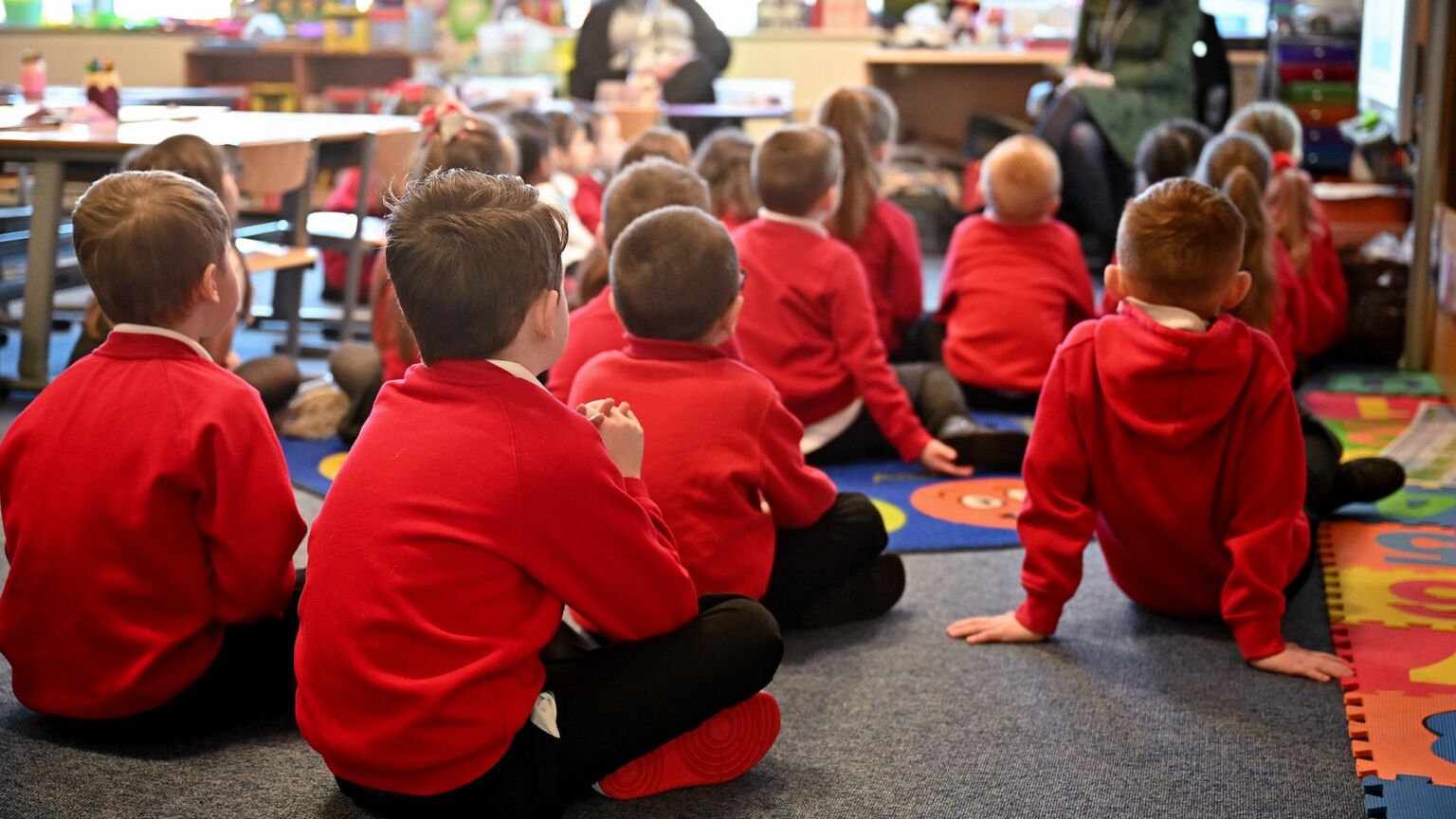
‘What counts as a diagnosis’, argues Santhouse, ‘and what counts as normal mental health are becoming more flexible’. This expansive dynamic in referrals and diagnoses is driven less by psychiatry or any other clinical practice and more by ‘social trends and appeals to emotion’ and the ‘language of wellness’, Santhouse explains. Medicine is often about trying to understand ‘subjective, internal and individual experience’, a task made harder when there is no ‘obvious visible or detectable bodily cause’. And yet, says Santhouse, we still have a need to know what normal is:
‘How much suspicion do you need before being considered paranoid? How often must you check something before being investigated for obsessive-compulsive disorder (OCD)? How sad can someone be after a bereavement before it becomes depression?’
Lucy Beney, a qualified counsellor and author of Suffer the Children for the Family Education Trust, writes of an ‘epidemic of self-diagnosis’ fuelled by ‘diagnostic inflation’ for mental-health and ‘neurodiverse’ conditions, and compounded by the authority lent to young people’s so-called ‘lived experience’. She argues: ‘To the detriment of those most severely affected, the criteria for diagnosis of both autism and ADHD are now so wide as to be almost practically meaningless.’
What were once treated (quite literally) as symptoms of disorders have escaped the bounds of clinical practice and been absorbed into the everyday. According to the Family Resources Survey, in 2023-24 one in four people (of all ages) was classified as disabled. The numbers of apparently disabled children (including those with ‘invisible’ disabilities like ADHD and autism) increased from seven per cent to 12 per cent between 2013-14 and 2023-24.
Some will say we’re just getting better at spotting these conditions. But here’s another possibility – namely, that ordinary life experiences are being medicalised, and ‘borderline’ cases are being given ‘ironclad diagnoses’. Could it be that normal differences are being pathologised? That the dividing line between normal and abnormal has shifted so far that it’s barely visible?
‘The pathologising of distress, the sanitising of the messy truth of life through biology, is a scientific and a social trend’, argues Suzanne O’Sullivan in The Age of Diagnosis. It’s a development that is ‘robbing us of control over our own destiny’, she writes, noting that ‘we are changed by the labels given to us’. This is a problem, not just because of the pressure it puts on resources and the demands it places on public services. There is also a tendency to misattribute the problems or the troubles our children may be dealing with. To seek out explanations in the wrong places. To obscure what is causing them and risk rendering ourselves helpless in addressing them. As O’Sullivan has it: ‘We are demanding answers and, in the absence of other sources of support, are looking to medical institutions for help.’
I do wonder if what we’re witnessing is a culture war on ‘normal’ in the name of neurodiversity. In a 2023 Guardian interview, Judy Singer explains that she coined the term ‘neurodiversity’ in 1997 because ‘diversity’ is a political term, originating ‘with the black American civil-rights movement’. From its inception, the ‘neurodiversity movement’ was meant to be, as she puts it, ‘a political movement for people who want their human rights’. She had a sense ‘that this was going to be the last great identity-politics movement to come out of the 20th century’.
It seems to me that identity politics is playing a significant role in the explosion of needs in the classroom. Indeed, we seem to be making identities out of disorders. Some parents can seem oddly eager for their children to be neurodiverse, and we’ve all had that conversation with somebody who claims to be ‘a bit OCD’. There is an unwillingness to accept differences in cognitive functioning as part of being a normal human.
More worrying still is the fact that proponents of neurodiversity are effectively downplaying or even setting themselves against alleviating the distress and disadvantages associated with conditions like autism.
It’s as if precisely those traits that allow autistic people to cope with their condition are being called into question. For instance, while of course it is a good thing that the ‘masking’ behaviour – particularly of girls – has been identified, there is a readiness to problematise it, too. A conviction that none of us should be imposing restraints on our innermost natures. Behind the genuine and welcome insight into understanding how some autistic people learn to cope with the demands the world places upon them (and at some personal cost, it should be added), there is now an argument that it’s always a bad thing to hide how we’re feeling.
This attack on coping – on adjusting to and living with everyday norms – is a key part of the problem. Most of the time, we all do need to do those things. To get on in life or even to just survive the day, we need to put on masks, don’t we? To protect ourselves and to take on the differing roles that society requires of us. While those with autism struggle much more than most, isn’t there something to be said for keeping things inside, for tempering our instincts with a bit of control? It is beginning to feel as if the neurodiversity narrative is an attack on reserve, resilience and restraint.
We need a radical rethink about how to tackle the needs crisis. There can be little doubt that there are real unmet needs out there. But this has been swamped by something quite different and much bigger. The needs crisis is ‘straining our systems of support across health, education and welfare’ say the authors of the Policy Exchange report, Out of Control. Pointing out the problem of overdiagnosis and overtreatment, the authors argue that those responsible for public services, whether politically or professionally, need to recognise that the current system may be encouraging ‘an escalation of need, rather than effectively targeting support where it is needed most’.
There are, without a doubt, genuine needs now being identified that we wouldn’t have picked up on before. However, there is also a cultural receptivity to being, or declaring oneself, neurodiverse. To do so is valued, encouraged and even celebrated. While there are positives to this approach in some cases, we need to get beyond the fluffy, relentlessly affirming (but none too reflective) language of neurodiversity-speak. Many of these children face very real disadvantages, both because of their conditions and because of society’s continued failure to accommodate or address their needs effectively.
Instead of creating identities and labels to explain away difficult experiences, we need to start taking our children’s problems – in all their complexity – seriously.
This is an edited extract from The Crisis in the Classroom: how the special needs explosion is destroying education, published by Luath Press.
Dave Clements is a writer and consultant with three decades’ experience working in and with local government and the public sector.
#child #diagnosis #disorder