wellnessfitpro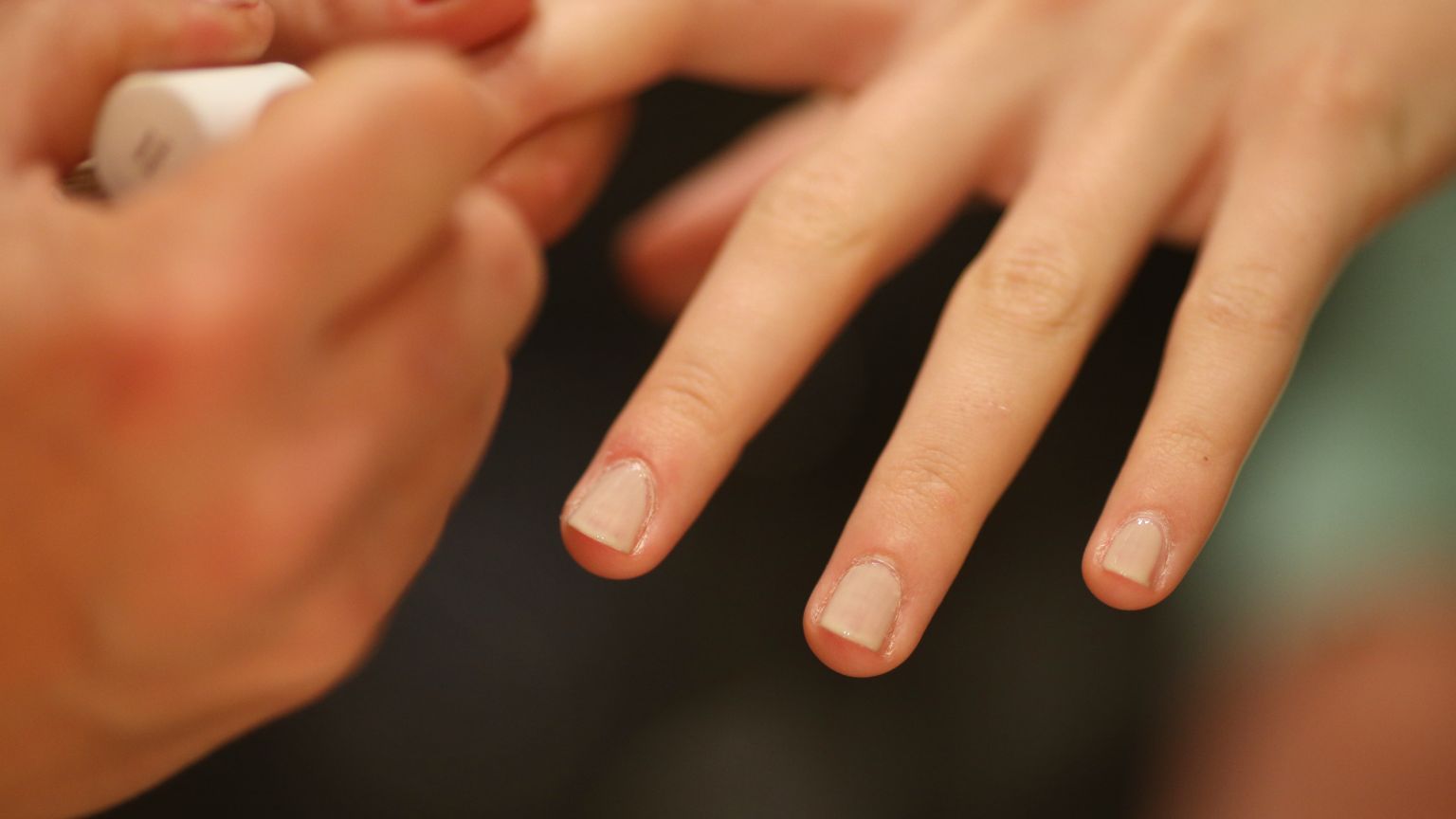
An article on the BBC website that sparked debate, ridicule and derision on social media has now been taken offline. You might be wondering how the BBC managed to get itself in such hot water. What subject matter could be so contentious that it would lead the Beeb to pull a piece entirely? Was it about Iranian terrorists? Toddlers taken into the sea in France and abandoned, left floating? Our foreign secretary telling Hamas supporters, ‘You were right’? No, this issue was far bigger than that, apparently. It was fingernails, and what women – and some men – decide to adorn them with.
The now-deleted article, published last Saturday, was headlined ‘How the bare-nails trend became a class issue’. It described a supposedly ‘crazy’ trend involving women going into a salon and asking for bare nails. According to fashion journalist Kristina Rodulfo, who was quoted in the piece, the bare-nail trend could also be ‘perpetuating white supremacy standards of beauty’. Yes, really: nails with nothing on them – no polish, no fancy patterns, no diamantés, spangles, sequins or bling – are now not only racist but white supremacist, too.
Essentially, the contributors to the BBC piece felt that this ‘crazy’ trend for blingless nails, now favoured by nice middle-class ladies who want to feel ‘chic and elegant’, could ‘stigmatise the bold manicures that are so important to black and brown communities’.
Really? In reality, outrageous, bold nails do not belong to any ethnic group. Some working-class black women love blingy nails – so do some working-class white women. The multi-ethnic British working class has always had a distinct style grown out of its communities: a mixture of flamboyance, a need for recognition and a nod to hedonism rooted in deeper economic insecurity. Yet it has also always been laughed at and misrecognised by those who do the judging.
Fancy nails, outrageously glamorous clothing, bold make-up and a penchant for wearing labels on the outside of your clothes so everyone knows they are ‘expensive and authentic’ – even when they are not – have always been associated with working-class communities. Think of the gold sovereign rings on Del Boy’s fingers in Only Fools and Horses, or even the lower-middle-class Hyacinth Bucket in Keeping Up Appearances, trying far too hard to appear posh in suburban Britain and always getting it wrong. The working class has always recognised this trait in itself – and laughed at it. In the same way, the middle class has always found new ways to distinguish itself from the supposedly vulgar.
This is the British class system at work, expressed through British cultural references. The French sociologist Pierre Bourdieu called this process the cultural distinction of taste. In his book, Distinction: A Social Critique of the Judgement of Taste, he argued that class is always both economic and cultural: those with the most power and money also get to decide what counts as good taste, and use it to create cultural hierarchies and legitimise snobbery.
Across British media, among the commentariat and within local communities, the same complaint echoes through debates about welfare, benefits and low pay: What do working-class people dare to spend their money on? Why, I have often heard, do they have big televisions when they live in council houses? Shouldn’t they be saving for a home of their own?
In recent years, I have heard the same argument about nail salons, and I have seen it – and even taken part in it – myself. I like going to one of the many Vietnamese-run nail salons on the small high street where I live. It is always busy with women wearing care-home tabards – working-class women, in other words. Getting your nails done is relatively cheap and, because of the huge growth of Vietnamese- and Chinese-owned businesses on our high streets, prices have remained largely unchanged since these salons first began to appear 20 or so years ago. If you are going to invest in yourself, in your appearance and in the way the world sees you, as working-class women do, then your ‘stock’ is in your body, your presentation and your stature in your community.
Yes, it still matters in 2026 that you look good to the outside world, at least according to what looking good means to you. When you do not have much, you spend boldly and make it visible. Looking good, or feeling good, matters to working-class women because their lives are shaped by scarcity, hard work and bad times.
In the 1930s, the Daily Mail ran articles claiming that working-class families spent too much on heating and unnecessary food – yes, the scrutiny of the working class goes back that far. It suggested they could save fuel by eating one raw meal a day and complained that they consumed far too much sugar. In The Road to Wigan Pier, George Orwell recounted that story and the wider mood that felt working-class people wasted too much money on luxuries. His answer was that, after a long day of back-breaking work in the coal mines or factories, warmth and sugar in your tea were not luxuries but necessities – the sweetness that got you up and back to work the next morning. Blingy, diamanté-encrusted nails offer working-class women a little glamour, a little sweetness in life. The plain, highly manicured, elegant nail of the London cosmopolitan performs a different job: it distinguishes her from the working class.
So why did the BBC decide a piece on nails was important enough to publish? Perhaps the real story was never the two-inch diamanté nail, but who still has the power to point at it and call it tasteless. For all the BBC’s fretting over ‘white supremacy’ and ‘racism’, class is the real divide that’s so often disguised by the culture war.
#racist #bare #fingernails