wellnessfitpro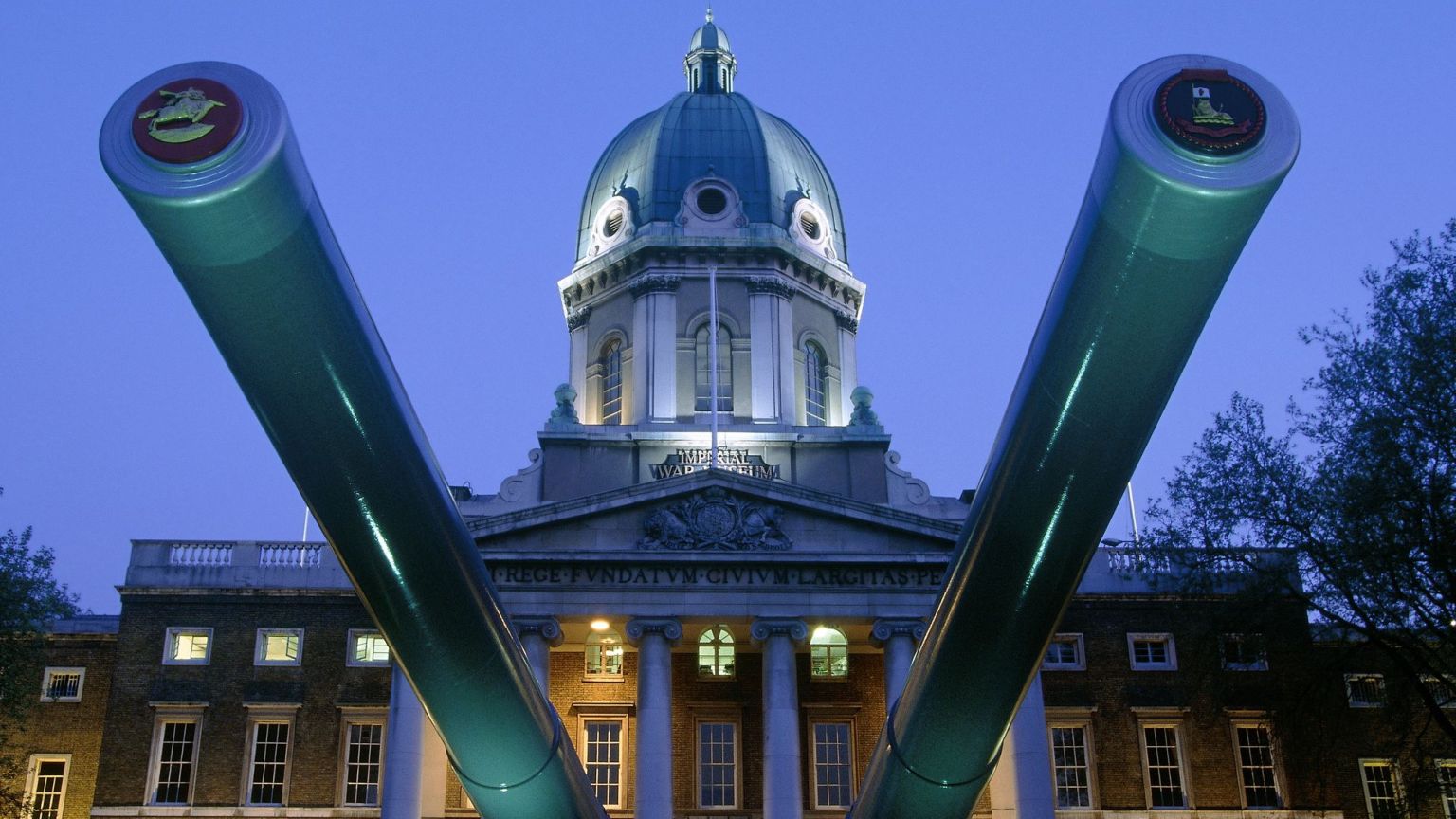
The Imperial War Museum in London was founded on 5 March 1917, during the First World War. Its purpose was to ensure that the ‘efforts and sacrifices’ of soldiers from Britain and the Empire would not be lost to posterity. Today, the very same institution is abandoning this pledge.
‘Contemporary audiences’, we are told by a consultancy firm hired by the museum, no longer relate to the sacrifices of those who fought in the First and Second World Wars. As a result, the Imperial War Museum will focus on conflicts ‘within many of our visitors’ living memory’.
Apparently, the heroism shown by the people of Britain in the great struggles of the 20th century has little relevance for the young. Why? Because it happened in the past. A report published to justify the rebrand draws attention to a ‘growing number of people with no connection to someone who lived through the First or Second World Wars’.
It seems that those running the Imperial War Museum don’t understand what the purpose of a museum is. Visitors to the British Museum don’t have a living connection to the Elgin Marbles, the Bayeux Tapestry or the Rosetta Stone. Does that mean that these objects should be sent into storage and replaced with a decommissioned train from the London Underground? Present-day objects from ‘living memory’ are not what people go to history museums to see.
The fact that many of us no longer have a direct connection with those who fought in the First and Second World Wars is the very reason why the Imperial War Museum is necessary. It is particularly important because so much of what they achieved continues to live on in our world, although we are apt to forget it. The museum is there to preserve this connection, not sever it.
It is difficult to avoid the conclusion that the main motive driving this rebranding exercise is an aversion to the values that informed the museum’s founding; namely, valour, courage and patriotism. It has been evident for some time that these values have lost their meaning in the eyes of the museum’s management.
The fact that those running a war museum are unable to grasp that peoples and nations go to war for a reason – to fight for something – underpins their approach to their museum’s own collections. This clearly drove its decision in 2014 to rid the museum’s atrium of serious military hardware. This exhibition, which included tanks, planes, guns and a Polaris missile – all located at the heart of the museum – had to go because apparently the management did not wish to ‘glamourise’ war.
Last year, the museum shut down the Lord Ashcroft Gallery, which held the world’s largest collection of Victoria Crosses. The decision to rid the museum of its impressive collection of Victoria Crosses makes perfect sense for an institution committed to de-militarising its exhibits. After all, the Victoria Cross is the highest and most prestigious award in the British decorations system, given to those who have demonstrated ‘extreme bravery in the presence of the enemy’.
For the Imperial War Museum’s management, the values symbolised by the Victoria Cross are anathema. But then this is hardly a surprise. Britain’s cultural elites as a whole all tend to see courage, patriotism and other military virtues as deeply unattractive.
From their standpoint, the indifference of young people to the great wars of the early 20th century is positive. It shows that Britain is leaving behind a past they deem shameful. Indeed, it’s a past they have waged a war on, mainly through the education system. Schools and universities constantly warn young people to be wary of taking pride in their nation’s history. Moreover, they are told that many of Britain’s historical heroes – such as Winston Churchill – were not only deeply flawed characters, but hardly better than war criminals.
It should not come as a shock that a recent survey showed that just six per cent of the public would fight for Britain if it faced an imminent invasion. Torn away from the achievements of their ancestors, it is not surprising that many young people find little meaning in their national story.
Rather than seeing this detachment from the past as a problem, a serious museum would do its best to cultivate a sense of historical continuity. Instead of patronising young people with ‘relevant’ and ‘accessible’ exhibits, the Imperial War Museum should challenge them to take their nation’s story seriously.
Frank Furedi is the President of the Freedom & Sovereignty Initiative and author of The War Against The Past: Why The West Must Fight For Its History, published by Polity Press.
#Imperial #War #Museum #ashamed #Britains #heroes