wellnessfitpro
Gambling regulators in New York on Friday formally proposed two rules that they say will help curb gambling addiction in the state.
The move adds the country’s largest sports betting market to a growing list of places that are seeking online gambling reforms as states that have legalized wagering on sports in recent years deal with the harmful side effects, including rising addiction diagnoses there.
While the drafts have been months in the making, their official introduction follows mounting media scrutiny, including a ProPublica investigation last month that showed weaknesses in the guardrails that companies like DraftKings have erected to address problem gamblers on their platforms. That system is called “responsible gaming.”
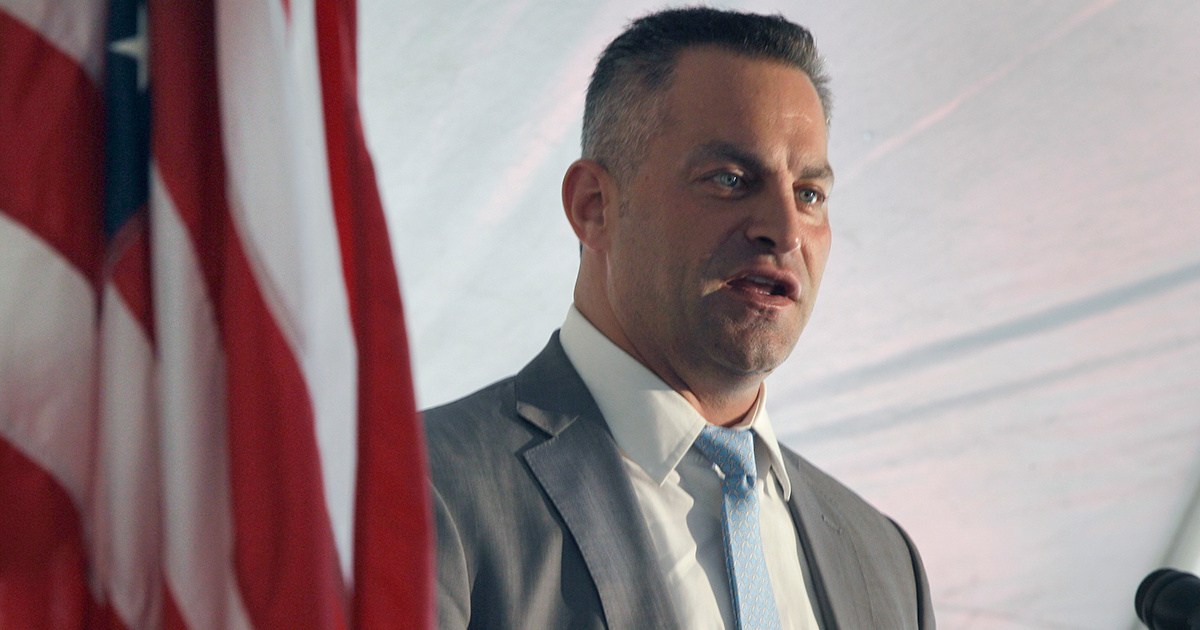
The commission’s chair, Brian O’Dwyer, said that the proposed rules “provide an opportunity for the industry to illustrate its commitment” to protecting its customers.
“The industry is on notice by me and this commission that they need to solve this problem,” O’Dwyer said. “If the industry does not address it, then we will address it and they may not like the solution that we come up with.”
One of the new rules would effectively adopt guidelines that New Jersey already uses, requiring sportsbooks to follow specific thresholds to identify at-risk bettors. The company would then be mandated to check in with those users. Another rule would bar companies from using artificial intelligence to customize bonuses or wagers.
DraftKings, one of the country’s largest sports betting companies, has said it already follows the New Jersey trigger thresholds. Among them: depositing more than $10,000 in a 24-hour period or wagering more than $1 million in a 90-day period.
If you’ve bet on sports with FanDuel or DraftKings, you can help ProPublica understand how these apps work. Use our browser extension to download your betting history, then upload your files.
But as ProPublica recently reported, problem gambling can manifest in much smaller amounts. With the advice of recovering addicts, addiction specialists and professional sports bettors, a reporter deposited $21,600 into his DraftKings account in less than eight weeks and purposefully bet compulsively, exhibiting the hallmark signs of problem gambling throughout that time. The behavior didn’t qualify for a company review or interventions beyond responsible gaming notices, including in-app pop-ups.
Some advocates for gambling reforms said that’s one big reason why the proposed rules don’t go far enough.
New York and New Jersey “are clearly complacent in the status quo by endorsing and prescribing regulations that are nothing more than giving the appearance of reform and not effectuating actual change,” said Brianne Doura-Schawohl, a gambling reform advocate who lobbies for consumer and public health protections.
After the commission advanced the rules unanimously on Friday, O’Dwyer said he recognized “the limitations of this proposal” and urged the state’s nine licensed mobile sports betting companies to share data so that problem gamblers can’t elude intervention by bouncing between them.
The introduction of the rules is a key step toward formal adoption. There will be a 60-day comment period for the public to weigh in on them. Barring major changes, the rules will then go back before the commission.
Though the plans were first published in March and received dozens of public comments, their official introduction at the gaming commission comes on the heels of reporting by The New York Times, which found that DraftKings used artificial intelligence and data scientists to target its promotions to losing bettors, and ProPublica, which found that promotions far outweighed the responsible gaming notices sent to a reporter exhibiting problematic behavior.
DraftKings made that journalist a VIP after he displayed red flags of problem gambling.
Since those articles were published last month, regulators in Maine and Michigan have also said that they are reviewing some of the issues raised in the stories.
A spokesperson for Maine’s Public Safety Department said the Gambling Control Unit is “monitoring the use of AI locally and nationally” but has no rules or laws addressing the issue and declined to provide any additional information “regarding the scope of that monitoring or specific operations.” A spokesperson for Michigan regulators hasn’t responded to requests for comment.
Massachusetts regulators, who have been looking into the use of AI by gambling companies, said they were also taking a look. The governor of Maryland has separately said he’d like to limit gambling companies’ use of AI to “identify and target users showing problem-gambling patterns.”
Asked for comment on the New York regulations, a FanDuel spokesperson said the company “welcomes the opportunity to engage with regulators and work collaboratively to establish best practices for the industry.”
A spokesperson for DraftKings referred ProPublica to its prior comments.
In statements and interviews, the company has defended its responsible gaming program and disputed any characterization that it targets addicts or those prone to addiction with inducements.
In an interview with ProPublica, Lori Kalani, DraftKings’ chief responsible gaming officer, said that, overall, “the system worked the way it was supposed to” during our gambling investigation, citing the more than 30 messages it sent our reporter. She added that “as a business, as an industry, we’re doing a good job of educating people, of raising awareness, of making tools and resources available, of monitoring accounts.”
DraftKings told the Times it “rejects any implication that its marketing practices are unfair or improperly targets customers” and said its perks were delivered to “customers who demonstrated sustained, engaged use on our platform, not toward customers based on their losses.”
The rules presented on Friday were made in response to a call by Gov. Kathy Hochul this year to address problem gambling. The Democrat, who is running for reelection, has announced a 10-year survey of residents’ gambling behavior to help “guide smart, targeted investments that protect New Yorkers and strengthen access to care.”
But the commission’s proposed rules are a relatively moderate step in that direction.
The measures would require a sports betting company to do more due diligence into a user’s “financial vulnerability” under certain conditions. Those triggers include a range of behaviors, including, for example, if a user’s time on the app jumps by 50% or more in a week compared with the immediately preceding two-week period.
In a comment letter this May, the Responsible Online Gaming Association, a trade group that includes DraftKings, FanDuel and three other major sportsbook operators, said the rules “establish a strong framework for responsible gaming” but offered some “targeted recommendations.”
Those included ensuring the triggers “avoid displacing or disrupting the mature, data-driven behavioral risk assessment systems already in use” and don’t confuse the company’s “responsible gaming role and the role of qualified clinicians.” It said any interventions should be “proportionate, operationally scalable, and effective.”
#York #Proposes #Rules #Restrict #Online #Sports #Betting #Curb #Addiction #ProPublica