wellnessfitpro
Reporting Highlights
- A Cascade of Cases: We found more than 185 cases of officers accused of sexually abusing people in women’s prisons over the past five years, sometimes beating them or denying them food or medical care.
- Broken Promises: Officials vowed to reform the system in 2021, but more than a dozen current and former federal prison employees said they had seen few or no meaningful improvements.
- “A Hunting Ground”: Though some abusers have been prosecuted or removed, insiders say the culture of impunity that allows officers to prey on women remains.
These highlights were written by the reporters and editors who worked on this story.
Officer Felix Wilder sauntered around the women’s prison like he owned the place.
Prone to showing up to work in gold chains and stylish jeans instead of his concrete gray government uniform, the slender 35-year-old moved, one woman said, “like he had just gotten off of a horse from a long ride.” He spoke slowly and eyed the prisoners as they walked through the drab buildings and shadeless yards of the secluded federal lockup in Aliceville, Alabama.
By the fall of 2024, some of the women there had begun to notice him hovering over a soft-spoken immigrant from Mexico who’d been in prison for only a few years. Ela, as she asked to be called, had dark hair, dark eyes and children to get home to back in Utah. Wilder was just a little too close, a little too familiar.
Ela’s cellmate, who asked to be identified as Ana, watched it all with unease. At 40, she knew exactly what that kind of attention from an officer could mean in a women’s prison.
For 15 years, Ana had served her time at Federal Correctional Institution Dublin, a low-security prison in California, where officers had preyed on the women in their care. Sexual misconduct became so rampant that staff and prisoners alike called it a “rape club.” Eventually, the FBI intervened, and prosecutors charged the warden, the chaplain and nine other officers with sexually abusing female prisoners. Hundreds of women — including Ana — came forward to tell what happened to them, not just to investigators, but also to outside lawyers who sued the system to demand change at the Bay Area prison.
Ana had hoped to leave that all behind when she was transferred out of Dublin. But tucked between the pine trees and low-slung churches of rural Alabama, the Aliceville prison had its own brand of menace. The facility had newer buildings but fewer freedoms. The roofs leaked, and sometimes the air smelled faintly of mold. The shorthanded staff often locked the women in their cells for days at a time.
And then there were officers like Wilder, who seemed to be choosing their targets.
Thousands of miles from families they couldn’t call during yet another lockdown, Ana and Ela became allies. They paced. They picked at the lukewarm meals delivered on Styrofoam trays. They stared out the narrow slit of a window.
And then Ela broke down, sobbing as her words tumbled out into the stale prison air.
Two years earlier, an officer had pulled her into a closet and raped her, she told Ana, her voice quavering. Now, she said, it was happening all over again — but this time it was the stylish officer in jeans: Felix Wilder.
Ela said she’d reported the first assault and nothing happened. Now, she didn’t know what to do. If the prison didn’t care about one rape, why would it care about two?
As she listened, Ana felt a dull rage churning in her stomach. She thought of all the things she’d seen and survived at Dublin: the rapes, the harassment, the uncertainty of a life subject to the whims of lascivious men with badges. As she tried to comfort her sobbing cellmate, she wondered whether Aliceville was any better. Maybe, she thought, no place was.
Sitting on her metal bunk, she opened the little address book she’d bought from the prison commissary and flipped to the phone numbers for the lead attorneys in the class action lawsuit against Dublin. “Here,” she told Ela, “you can talk to them.”
The arrests and subsequent convictions of Dublin staff — 10 in all — marked the largest sex abuse scandal in the Federal Bureau of Prisons’ history and a rare moment of accountability in a troubled system where many women had learned to stop expecting it. Suddenly, every branch of government stepped in. A federal judge appointed an outside monitor. A slew of agencies issued reports, and the Justice Department dispatched attorneys to visit and evaluate women’s facilities. Congress passed a law to create a new, independent office to oversee the prison system.
But after the judge made that unprecedented move to appoint outside oversight, in early 2024 the bureau abruptly announced it would shut down Dublin and transfer its more than 600 women — including Ana — to lockups across the country.

Then, quietly, the window of accountability shut. Little appeared to have come of the promised reforms, the site visits and the reports, and Congress never appropriated funding for the new oversight office. More than a dozen current and former federal prison employees told ProPublica and The Marshall Project they’d seen few or no meaningful improvements. One Justice Department official said the only obvious sign of progress was new sexual assault prevention posters.
“Nothing has really changed,” said Alix McLearen, a top Bureau of Prisons official who retired in 2024 after serving as the agency’s first administrator overseeing the women and special populations branch. “We had a horrible crisis, and crisis leads to opportunity, and this is an opportunity that has been completely squandered.”
An official with the federal prison workers union who — like nearly every current employee interviewed for this story — asked not to be named for fear of retaliation, put it even more bluntly: “Nothing has been done to effectively change sexual abuse of inmates within the BOP. Not on a large scale or small scale.”
For the last five years, the culture that spawned a rape club at Dublin has persisted across the system. Reporters at ProPublica and The Marshall Project set out to determine how pervasive the problem of staff sexual abuse inside federal women’s prisons is — and what, if anything, officials have done to solve it. What we found was sexual assault, misconduct or harassment at most of the 27 facilities that currently hold women. We identified more than 185 cases in which prison employees have been accused of sexually abusing people in women’s prisons since 2021, the year the Dublin scandal broke. The cases implicate more than 96 officers at 16 prisons. Of those, just 19 officers have been arrested or convicted.
In some cases, officers withheld food or medical care, or threatened to put women in solitary confinement if they refused to comply with sexual demands, court records allege. In others, officers locked them in windowless closets or bathrooms, choked them, or forced them to use sex toys or have sex with each other. In more than a dozen instances, the assaults were so brutal that the women were left bruised and bleeding.
Though some abusers have been prosecuted or removed, insiders say the culture of impunity that allows officers to prey on women remains. Officials have repeatedly refused to acknowledge or failed to act on signs of sexual abuse, we found. More than 25 women said that they were abused by officers who had been reported or investigated before, according to lawsuits we reviewed. In some cases, officers have covered for their abusive colleagues, court records allege. Other times, staff say that they, like the prisoners, have hesitated to report misconduct for fear of retaliation.
At a prison camp in West Virginia, an officer who’d been investigated repeatedly for suspected abuse — but allowed to remain on the job — raped a woman so forcefully that he tore her vaginal lining, according to a lawsuit she filed last year. The officer has been charged with sexually assaulting her and two other women at the camp and has pleaded not guilty. His case is set for trial early next year.
At Federal Medical Center Carswell, a facility in North Texas, an officer allegedly forced two women to have a threesome with him in his office, where he’d rigged up a doorbell to alert him if anyone came by, court filings show. A civil lawsuit has been stayed pending a criminal investigation.
“We had a horrible crisis, and crisis leads to opportunity, and this is an opportunity that has been completely squandered.”
Alix McLearen, former Bureau of Prisons official
And at Aliceville, Wilder, the officer who allegedly assaulted Ela, also abused at least 17 other women, many of whom were facing deportation after they finished serving their sentences, according to court records and interviews. He allegedly didn’t stop until the FBI showed up at the facility in the fall of 2024, and federal prosecutors eventually charged him with sexually abusing seven women. He has pleaded not guilty and is awaiting trial.
“I’m pretty sure everybody knew what was going on and they just didn’t care,” one of the women told ProPublica and The Marshall Project in a phone interview from the federal prison in Fort Worth, Texas.
We found that abuse continued even as the facilities kept passing federally mandated sexual assault prevention audits. The Texas medical facility had a flawless audit the same year the FBI arrived to investigate a paramedic whom at least 18 women have accused of sexual assault, records show. Likewise, Aliceville got perfect marks during the same time period that Wilder was allegedly preying on Ela and other women.
The officers union called sexual abuse “completely unacceptable” and blamed persistent staffing shortages for helping to create an environment that allows it to go undetected. “If we are serious about protecting inmates and maintaining safe, secure federal prisons, we have to address the staffing crisis head-on,” the union said in a statement, noting that more watchful eyes would mean “fewer opportunities for inappropriate conduct to occur behind closed doors.”
Bureau of Prisons spokesperson Randilee Giamusso said the federal prison system has “zero tolerance” for sexual abuse and harassment. “We take all allegations of sexual abuse seriously,” she said.
Giamusso highlighted the bureau’s recently revamped policy on sexually abusive behavior, which is intended to ensure that allegations are more thoroughly investigated. It also eliminates any mention of transgender or intersex people, whom federal law identifies as particularly vulnerable to sexual abuse in prison. She did not provide further details or address any specific cases, saying the bureau does not comment on pending litigation. Officers mentioned in this story, as well as representatives for the prisons, either did not respond or declined to comment on specific allegations.
As Ana and the other Dublin women, now scattered to other facilities, realized that no one was going to stop the abuse, they began to take matters into their own hands. Across the country, they encouraged other women to speak out about what had happened to them — and told them what they could do about it.
The volume of abuse allegations ballooned so rapidly that the legal team handling the Dublin case had to refer scores of potential clients to other lawyers, some of whom have taken on so many federal prison sex abuse cases that it’s become the primary focus of their law practice. We continued receiving new lawsuits, tort claims and allegations of abuse up until publication of this story.
“There has been so much reporting on Dublin as an aberration,” said Susan Beaty, one of the lawyers spearheading the class action suit. “But I think it’s actually incredibly representative. I think it’s happening at basically every BOP women’s prison.”
No Way to Say No
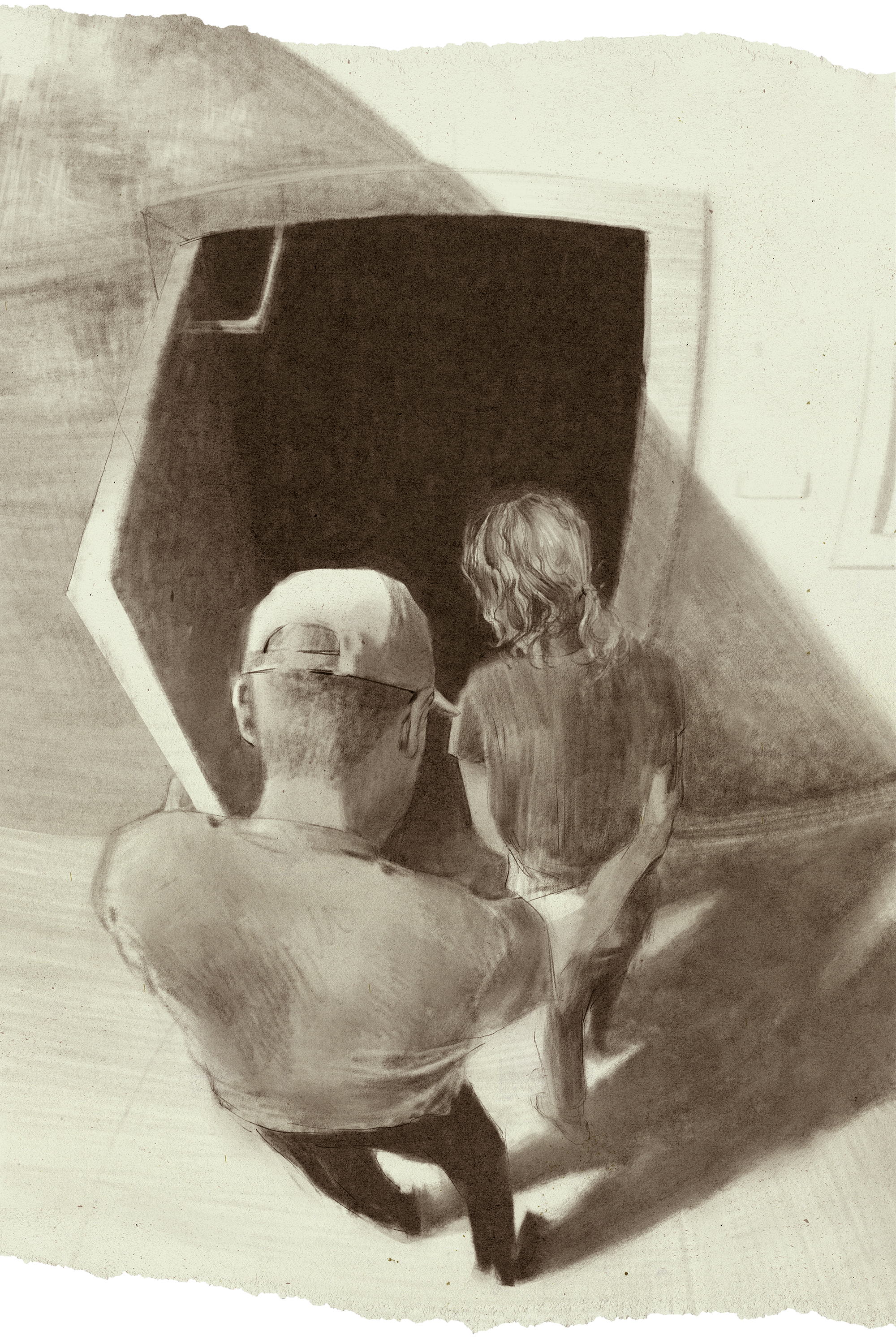
As she comforted her cellmate at Aliceville, Ana thought back to her first months at Dublin — before she’d learned how to recognize abuse in prison and before she’d seen just how much of it there was.
Back then, around 2010, it seemed that almost every day she saw a handful of women eating Mexican takeout for lunch — hot meals too mouth-watering to have come from the spartan prison kitchen.
At the time, Ana was just 25 and at the beginning of a lengthy sentence stemming from her involvement in her husband’s drug-trafficking operation. So while she suspected the smuggled-in meals were the sign of some nefarious quid pro quo arrangement with the officers, she didn’t ask questions, partly because she was afraid and partly because the women shared their coveted contraband meals. “So I would just eat it and shut up,” she said.
Under federal law, all sexual contact between prison staff and people in custody is a felony — and for good reason. Prisoners cannot meaningfully give consent when they’re propositioned by people who control every aspect of their lives, from when they get fed to whether they face disciplinary sanctions that could land them in solitary confinement. So although prison sex abuse sometimes involves violent rape, it often relies on subtle coercion and grooming.
Poor conditions and scarcity behind bars turn basic necessities into valuable commodities that officers can leverage to create the illusion of a “relationship” — one built on exchanging sexual favors for extra privileges and little gifts, like contraband makeup, extra tampons or a few more minutes at visitation.
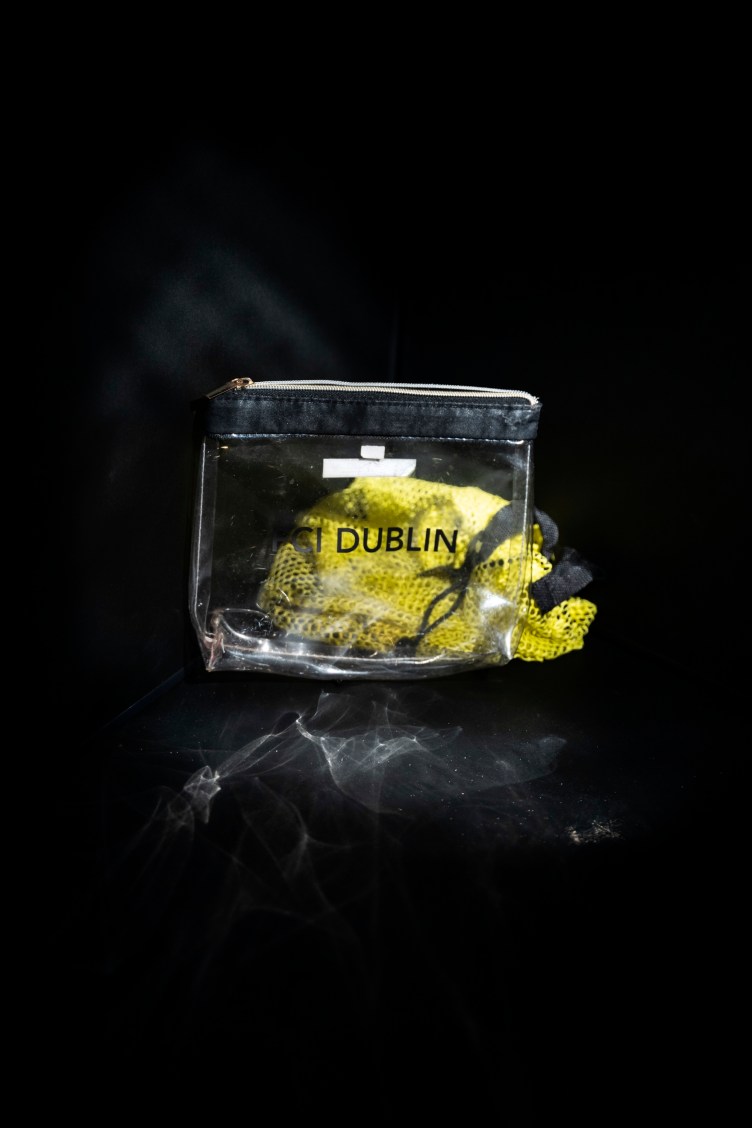
As one high-ranking prison official explained: “The women are getting small trinkets. It’s not big things that we can trace. He’s bringing in a hamburger, a Subway sandwich. It’s heartbreaking to look at the value of the things that are being passed.”
Many times, those seeming relationships turn volatile — and violent. In Ana’s case, it began when one Dublin officer started being unusually nice to her, according to her lawsuit. He’d rush across the unit to unlock doors for her or call her into his office to talk alone. Ana thought they’d developed a rapport. But over time, he groomed her with personal questions and meager privileges. Once, he told her he’d had a sexual dream about her. Then, according to her lawsuit, he kissed her and eventually raped her.
Telling prison investigators didn’t seem like an option; Ana had already learned the hard way about the risks of reporting errant staff. A few years earlier, she had helped another prisoner file a complaint about staff misconduct. Afterward, she said, both women were sent to solitary confinement. For two weeks, Ana spent 23 hours a day locked in a cell barely bigger than an elevator. She got cold food, had no access to the phone and was barred from seeing visitors.
Prison officials often isolate those who report abuse, ostensibly for their own protection, even though the Justice Department has found this practice has a “chilling effect” that discourages people from reporting abuse. A federal prison spokesperson said the agency’s policy does not require that people who report abuse be put in solitary — but that sometimes it is the only adequate option.
It’s not just prisoners who are afraid to report wrongdoing. Although staff are required to report misconduct under bureau policy, in lawsuits and interviews, officers say they, too, worry about retaliation.
“You see all the sexual abuse, how they treat inmates. If you bring that to their attention, it’s like you’re doing the wrong thing,” said a former correctional officer at the prison camp for women in Bryan, Texas. In 2024, she reported several co-workers for having sexual contact with incarcerated women. She resigned last year after the warden moved to fire her for unprofessional conduct, documents show.
Even when witnesses or victims do report abuse, investigators rarely conclude that it occurred. As of 2022, less than 10% of allegations against Bureau of Prisons employees were substantiated, meaning investigators found it more likely than not that the abuse happened in those cases. In some instances, investigators decided there was evidence the abuse didn’t occur. But more than 75% of the time, they said there wasn’t enough evidence to make a determination either way.
Officers accused of abuse face an internal disciplinary process that can take years. In many cases, they can simply retire or resign, knowing that the agency will no longer have jurisdiction to punish them once they leave. They could still face criminal charges — but bureau insiders say that many cases don’t reach that point because investigators abandon the criminal probes when an officer resigns. “Staff would know that if they were having sex with inmates, the worst that would happen is that you would have to find a new job,” one former prison official said.
The landmark law intended to combat sex abuse, the 2003 Prison Rape Elimination Act — widely known as PREA — mandates employee training and regular audits but lacks a serious enforcement mechanism. Auditors are primarily looking for policy compliance, not signs of abuse. “A facility may have widespread sexual abuse, but they’re still meeting compliance on the things they’re required to do,” said Kendra Prisk, a PREA auditor who has evaluated several federal prisons, including Aliceville.
At Dublin, Ana said she watched the officer who’d been bringing in burritos get walked off the job by investigators. He was, according to an Associated Press investigation and several agency sources, one of about a dozen Dublin workers in the early 2010s who were quietly removed from their posts — but not prosecuted — over sex abuse allegations.
In September 2021, a new round of problems at Dublin burst into public view when the FBI arrested the facility’s warden, Ray Garcia. He was eventually charged with sexually abusing multiple women all over the compound — then lying to cover it up. In one instance, prosecutors say he abused a woman while PREA auditors were visiting. Though Garcia was later convicted and sentenced to nearly six years in prison, his attorney, Kevin Little, told ProPublica and The Marshall Project that Garcia maintained that he is not guilty.
The arrest of such a high-ranking official sent shockwaves through the system. Members of Congress began asking questions. The head of the agency, Michael Carvajal, announced that he would step down, a move he said in a recent interview was driven by concerns that Congress would not support the bureau until he left. Ultimately, 10 Dublin officers pleaded guilty or were convicted at trial, and one walked free after two hung juries.
While several of the Dublin officers could not be reached or did not respond to requests for comment, one did. John Bellhouse, who was a safety supervisor, emailed ProPublica and The Marshall Project from a federal prison in Louisiana, where he is serving a 63-month sentence after he was convicted of sexually abusing two women. Bellhouse insisted he is innocent and said the problem at Dublin was that the lower-ranking staff were “too comfortable” at the facility and too familiar with the prisoners. “It was very junior high school,” he wrote.
To Ana and the other women at Dublin, the rash of charges had made it seem for a moment like there might be change. But it soon became clear the problems were far more entrenched.
“BOP Was Putting on a Show”
In the wake of the indictments at Dublin, prison officials were dispatched across the country beginning in 2022 to inspect other women’s prisons and generate internal reports.
That spring, at the low-security prison in Tallahassee, Florida, most of the women surveyed for the “Women’s Institution Cultural Assessment” said they were afraid of reprisals if they spoke freely, according to a copy reviewed by ProPublica and The Marshall Project. The last time officials visited, they said, officers had punished the women with “shakedowns” — in which officers ransack cells and destroy belongings — and told them it was in retaliation for talking to the visitors. Despite noting this and “several concerning observations,” the bureau found that sexual safety was “not determined to be a problem” at the facility.
Since then, at least 10 prisoners have filed legal claims saying they were abused by Tallahassee officers in the same year as the assessment. Six said they were sexually assaulted by a single officer, Lenton Hatten, who had previously been reprimanded by prison officials at another facility for putting money in women’s commissary accounts, “which was a warning sign of inappropriate relations,” according to multiple lawsuits. He was ultimately sentenced to three months in prison for repeatedly abusing one woman after DNA tied him to the crime. In legal filings, attorneys for the prison system admitted that Hatten sexually abused that woman but denied that he assaulted any of the others. They also denied that officials had failed to train or supervise Hatten properly. Neither Hatten nor his attorney responded to requests for comment.
At Carswell, in the summer of 2022, multiple prisoners told officials that prison staff had held town hall meetings before the site visit, threatening repercussions if anyone reported their concerns, the assessment found. Nonetheless, the team concluded that women at Carswell overwhelmingly felt it was a “physically and sexually safe environment.”
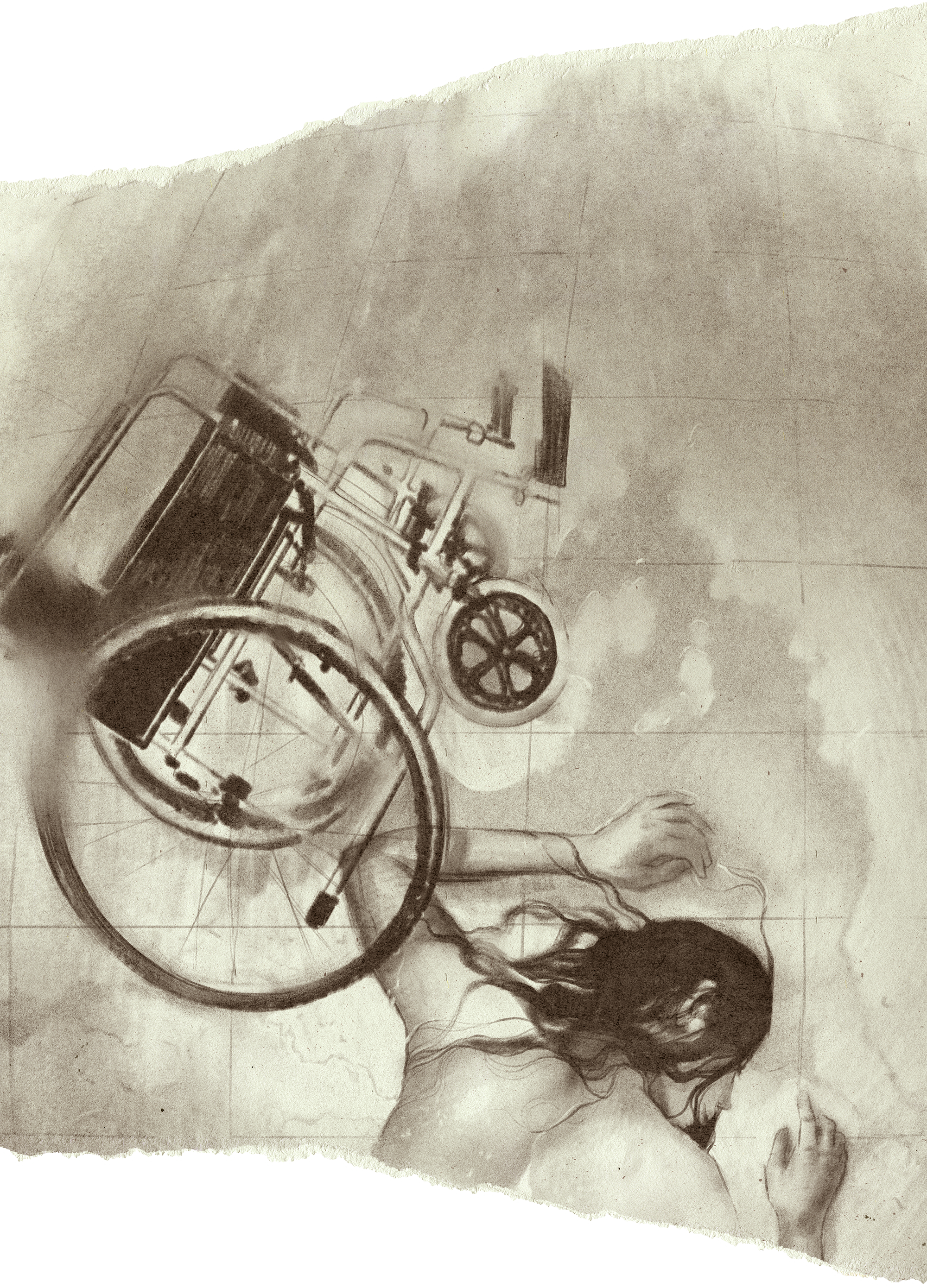
But that year, at least seven women were sexually abused by four different Carswell employees, according to allegations in civil lawsuits they’ve since filed. In one case, a woman who was partially paralyzed and required a wheelchair said she was violently sodomized in the shower by an officer who attended her Bible study group. When he heard people coming, she said he dropped her on the floor, leaving her alone to crawl back to her wheelchair, crying and bloodied. Months later, when she finally reported the assault, the nurse on duty told her she’d reported that same officer for sexually harassing other prisoners and nothing had been done about it, according to her lawsuit.
All the suits are still pending. Among the staffers named in them, only Hatten has been prosecuted. In many cases, it’s not clear whether any of the employees were disciplined by the Bureau of Prisons. The prisons agency would not answer questions about the assessments’ findings, though a spokesperson said it has continued to visit prisons and conduct assessments, which it does not release to the public.
Later in 2022, a highly publicized Senate subcommittee investigation found the problem of prison sexual assault was more widespread than previously understood and, around the same time, the Justice Department’s inspector general issued a report criticizing the bureau’s handling of staff misconduct investigations.
Meanwhile, the Bureau of Prisons’ parent agency, the Justice Department, put together a working group that recommended prison officials “enhance prevention of sexual misconduct” by promoting “stronger leadership” at women’s facilities, improving staff training and installing more cameras.
In mid-2023, the department began dispatching its own teams to survey women’s prisons and make sure they were carrying out the working group’s recommendations. Nikhil Ramnaney, a former Justice Department attorney who participated in a visit to the SeaTac lockup in Washington state that summer, said the department notified prison officials in advance, giving them time to prepare. “BOP was putting on a show,” he said. And when Ramnaney and the other visitors interviewed women, the facility’s top officials stood nearby. When asked if they felt safe reporting abuse, the women offered “positive and lukewarm answers,” Ramnaney said. “In hindsight, what else were they going to say?”
Another Department of Justice attorney who visited Carswell offered a similar assessment, and both said the department never released findings from those site visits. Neither could identify any meaningful changes the agency made.
Since then, officials from the Bureau of Prisons and the Justice Department have repeatedly said the agency is working to implement the working group’s recommendations. But when asked a series of detailed questions about the status of specific recommendations, the Justice Department deferred to the prison agency. Giamusso, the prisons spokesperson, said in an email that information was “not readily available.” She added, “We have more work to do, and we are committed to doing that work.”
By the end of 2023, there were growing signs that women were being abused at other facilities. At the camp in Bryan, Texas, it was an open secret that officers were groping women and pressuring them into unwanted sex acts, according to women and staff previously interviewed by The Marshall Project and NBC News. At the federal jail in Chicago, an officer groped and sexually assaulted at least four women in December alone, according to an indictment. That officer pleaded not guilty, and the case is ongoing.
And perhaps most disturbingly, the abuse continued at Dublin, even while the prison was under the scrutiny of the courts and Congress in the wake of Warden Garcia’s arrest. In addition to the hundreds who said they were abused before 2021, at least 47 prisoners alleged abuse by staffers after that. Many of those allegations have not been previously reported, and many of the alleged abusers have not been prosecuted.
The abuse continued even after the agency replaced Garcia. And it continued after a sprawling legal team — including attorneys from the advocacy organization Rights Behind Bars, the law firm Rosen Bien Galvan & Grunfeld and the nonprofit legal group California Collaborative for Immigrant Justice — filed the class action lawsuit against the bureau in the summer of 2023 on behalf of Ana and hundreds of other Dublin women. They alleged the Bureau of Prisons’ systems for preventing and responding to sexual abuse were so inadequate that everyone at Dublin was at risk. The following year, the government claimed in court filings that sexual abuse was by then “virtually non-existent” at Dublin and that the facility was “not currently a sexualized environment.”
A few weeks before that claim, a Dublin officer had allegedly slammed Antonina Troyer against the wall of her cell and raped her, according to a lawsuit she filed later, which has since been stayed. Troyer said three years after she reported him, she received a letter stating that her allegation was not sustained but offering no further information. The officer, who did not respond to requests for comment, was not prosecuted and still worked for the agency as of November.
“You have a huge system that just steamrolls everybody, and you’re already considered to be not trustworthy,” Troyer said in an interview. “Our word means practically nothing.”
By March 2024, the federal judge overseeing the Dublin lawsuit had grown noticeably frustrated with what she called the prison agency’s sluggish response. Judge Yvonne Gonzalez Rogers issued a scathing order and appointed a so-called “special master” to oversee promised reforms.
Days later, the bureau abruptly announced that it would shut down Dublin — then asked the judge to dismiss the case. The judge demurred, saying the idea that closure solved the agency’s problems “strains credulity.”
Ana and the other women at Dublin were shackled and taken to other facilities around the country in what seemed like an unusually torturous process. In letters and interviews, women recounted how some officers screamed at them, threatened to shoot them or left them without water for hours. “With their behavior and the noise of the cocked guns,” one woman wrote, “I was sure they were going to kill us.” An internal affairs investigation later determined that all the transport officers had acted “within policy” even though, in some cases, other prison staff corroborated the women’s accounts.
“It Felt Just Like Another Dublin”
For Beaty and the other San Francisco-based attorneys heading up the legal team for the class action lawsuit, building a case against the federal government now became much more complicated. To interview dozens more survivors, they had to travel across the country to remote prisons.
That October, Beaty and fellow attorney Kara Janssen paid their first visit to Aliceville. They’d just come from a legal conference in Atlanta, where they’d given a presentation on their work at Dublin, then rented cars to drive four hours to a hotel in Tuscaloosa. After another hour on the road — once they’d nearly reached the Mississippi border — the bleak, boxy buildings of a federal prison rose up out of the endless forest.
When the lawyers walked through the front door, the prison staff seemed so unaccustomed to legal visitors that they weren’t sure how to sign them in. “It felt like nobody had come there in a long time,” said Janssen.
Over the next three days, she and Beaty took down statements from more than 70 women, most transfers from Dublin. Some described the rough move or their trouble getting basic medical care. But others told new stories of abuse, this time at Aliceville. The medical staff who forced them to dance. The officers who assaulted them in closets, and the other staff who pretended not to see.
One of the women who talked to them was Ela. She’d landed behind bars five years earlier, after FBI agents arrested her in a meth bust. It was the first time she’d been in real trouble. She was sentenced to seven years in federal prison and eventually ended up in Aliceville, where, in early 2022, an officer pulled her into a closet and pushed her to her knees, forcing her to perform oral sex on him before vaginally raping her, according to a tort claim filed on her behalf. When she reported the incident to prison officials, she said they yelled at her and fired her from her job in the prison’s safety department. Traumatized and distraught, she began cutting herself. Eventually, she asked to see a psychiatrist but left feeling worse after the psychiatrist made fun of her, according to the narrative laid out in her legal claim.
About a year later, Wilder — the officer in stylish jeans — started circling, according to the claim. He was flirtatious at first, talking about his own romantic encounters and asking about her family back home. Then, one day in the spring of 2023, she said he forced her into a utility closet and made her perform oral sex on him. A few months later, he locked her in that same closet for two hours, returning three times to rape her, according to the legal claim.
Ela wasn’t the only woman Wilder allegedly targeted. Other women had reported him for similar behavior, but his abuse continued until the fall of 2024, according to court filings and interviews. That September, investigators questioned Ela about her earlier abuser, who had by then pleaded guilty to assaulting two other women. But even though Ela had already confided in Ana about Wilder, she was reluctant to tell prison officials. “I was very scared to speak out,” she said in emails in Spanish to ProPublica and The Marshall Project.
Investigators paid another visit days later — and that time she told them everything. “I would not want the chain of victims to continue,” she said. “We had to put a stop to it.” Wilder was walked off the prison property that day. But officers threw Ela into solitary confinement for nearly two weeks. They told her it was for her safety — “which really wasn’t safe at all because it was a nightmare,” she said.
“You have a huge system that just steamrolls everybody, and you’re already considered to be not trustworthy. Our word means practically nothing.”
Antonina Troyer, formerly incarcerated at Federal Correctional Institution Dublin
And while Wilder was eventually indicted for sexually abusing seven women, 11 others — including Ela — have also accused him of sexual assault in civil claims, including two lawsuits. In both of those cases, a court has paused the proceedings until the criminal charges against him are resolved. Apart from his not guilty plea, Wilder has not responded in court or to repeated requests for comment.
By the time Beaty and Janssen arrived at Aliceville, the women were skittish, rattled by the abuse, the retaliation, the prodding FBI agents.
“A lot of people were really scared,” Janssen said. “It felt just like another Dublin.” As she got in the car to leave, Janssen broke down crying.
In the months following the Aliceville trip, the lawyers traveled to prisons in California, Connecticut, Texas, Florida and Wisconsin to speak to Dublin victims. At almost every stop, women told them of abuse happening in that institution, too.
In early 2025, over the new Trump administration’s objections, Gonzalez Rogers, the judge in the Dublin class action suit, approved a sweeping consent decree — a first for the federal prison system. It included pathways to early release, increased protections against retaliation and two more years of court-mandated oversight for the Dublin survivors.
It would not be enough to protect those who were still incarcerated. Even as their lawyers prepared civil suits, Ana and the other Dublin women became targets for harassment at their new prisons. At some facilities, staff derisively referred to them as “Dublin girls” or “Dublin bitches” and refused to give them prison jobs, according to interviews and court papers. Elsewhere, other prisoners viewed them as snitches and held their decision to come forward against them.
The women also continued to face sexual abuse. After getting shipped out of Dublin, the survivors reported almost 40 instances of abuse at their new prisons during the first six months of the court-appointed monitoring, according to monthly reports filed in federal court.
Abuse allegations continue to extend far beyond Dublin survivors. In interviews and legal filings, ProPublica and The Marshall Project uncovered accusations of sexual abuse at a prison camp in California, a low-security prison in Wisconsin and a notoriously troubled facility in West Virginia.
And earlier this year, the FBI showed up at Carswell, a facility so troubled that one woman described it in court filings as “a federal prison that became a hunting ground.”
Investigators uncovered a cluster of allegations against paramedic Preston Emert, who was removed from his job after 18 women accused him of sexually abusive behavior, according to court filings and internal bureau correspondence. Emert targeted women with addiction issues and medical problems, demanding sex in exchange for drugs and medical treatments, according to several women, their attorneys and a top bureau official.
“I have seizures and would need help and in order to get it I would have to have sex with him,” Olivia Floyd said in a letter to reporters. Emert is one of 12 Carswell employees accused of sexual assault in the last five years. He has not been charged, and bureau officials said in November he is still employed as a paramedic at Carswell.
Last month, his boss — the health services supervisor who records show fielded at least one of the early complaints about the paramedic’s behavior — was arrested after he admitted to investigators that he was having sex with a woman incarcerated there. He has not yet entered a plea.
Despite evidence of persistent abuse throughout the system, the Bureau of Prisons now appears poised to have less oversight than ever. The landmark consent decree is set to expire early next year. The Office of Inspector General, the Justice Department’s watchdog that has the power to investigate and recommend reforms, has suffered staffing shortages in recent years as the Trump administration has pushed to slash its budget. Meanwhile, hoping to shore up its staffing levels, the bureau recently announced it would allow new officers to start with fewer qualifications and lower pay.
“It’s almost as if they’ve learned nothing,” said Shanna Rifkin, general counsel for FAMM, a nonpartisan organization that advocates for criminal justice reform. “They need staff who are well-trained and well-compensated, and to lower the qualifications when you already have rampant sex abuse and drugs being brought in — what do they think is going to happen?”
Two years after Congress passed the Federal Prison Oversight Act, the ombuds office it mandated still does not exist. The Trump Department of Justice has failed to release a projected budget and progress report, even after both chambers of Congress directed it to do so by April of this year. And lawmakers have yet to appropriate any money for it.
Within the Bureau of Prisons, the effects of the intended reforms have been minimal. The agency has installed more cameras and restructured its Office of Internal Affairs, though under the new structure, staff at individual prisons typically still investigate their coworkers. “I think small things were changed — like the signage about how to report [abuse] needed fixing,” said former Justice Department attorney Marnie Shiels. “There were no substantive long-term changes from this that I know of.”
Lawyers say it’s also becoming harder for civil cases to succeed. So far, the federal government has agreed to pay $116 million to settle lawsuits with the first 103 victims of Dublin. Roughly 300 more cases are working their way through the legal system, including the one brought by Ana, who has since been released from prison. The man who abused her was never criminally charged, and he died while under investigation.
Trump’s Justice Department has offered paltry payouts in some cases and reneged on signed agreements that could have avoided protracted litigation in others, according to sources familiar with the situation. Lauren Bis, a spokesperson for the White House, referred questions to federal prison officials.
Legal experts also point to a recent, troubling precedent. In 2024, a federal judge in Alabama threw out a lawsuit brought by a woman at Aliceville who had been raped by an officer. The judge, Scott Coogler, sided with the Justice Department in ruling that the prison system wasn’t liable because the officer “was acting outside the scope of his employment” when he sexually assaulted her while on duty. The decision is pending appeal.
“This case could make it incredibly hard for anyone abused in government custody to seek accountability from the BOP,” said Deborah Golden, who is representing dozens of women in cases about their sexual abuse at federal prisons. “I hope that doesn’t happen.”
To the lawyers at the forefront of this fight, the fallout from Dublin has come to a disappointing conclusion. “It should not be hard to go to work and not force someone to give you a blow job,” Janssen said. “That is an extremely easy rule to follow. And I can only think that it’s just a complete lack of accountability.”
As for the Bureau of Prisons, it’s already returning to a familiar playbook. Earlier this year, the bureau announced plans to stop housing women at Aliceville and turn the facility into a men’s prison. Ela has since been released. But the rest of the women will, once again, be scattered across the country.
How We Counted Abuse Cases
Reporters searched federal court records and civil lawsuits and interviewed currently and formerly incarcerated survivors of sexual abuse, prison officials, and civil rights attorneys to compile a list of allegations that met the criteria for “sexual abuse” under the Prison Rape Elimination Act. They included only abuse allegedly committed by a BOP staffer against prisoners at women’s facilities operated by the Bureau of Prisons. There were 172 cases involving women and 15 in which the victims were transgender men. Allegations were sourced from an official record — including tort claims, lawsuits, criminal filings and internal agency documents — or the individual themselves, in which cases reporters corroborated their accounts with contemporaneous witness statements, journal entries, or letters; court filings; sworn statements; and other documentation.
#Federal #Womens #Prison #System #Failed #Prevent #Sexual #Abuse #Staff #ProPublica