wellnessfitpro
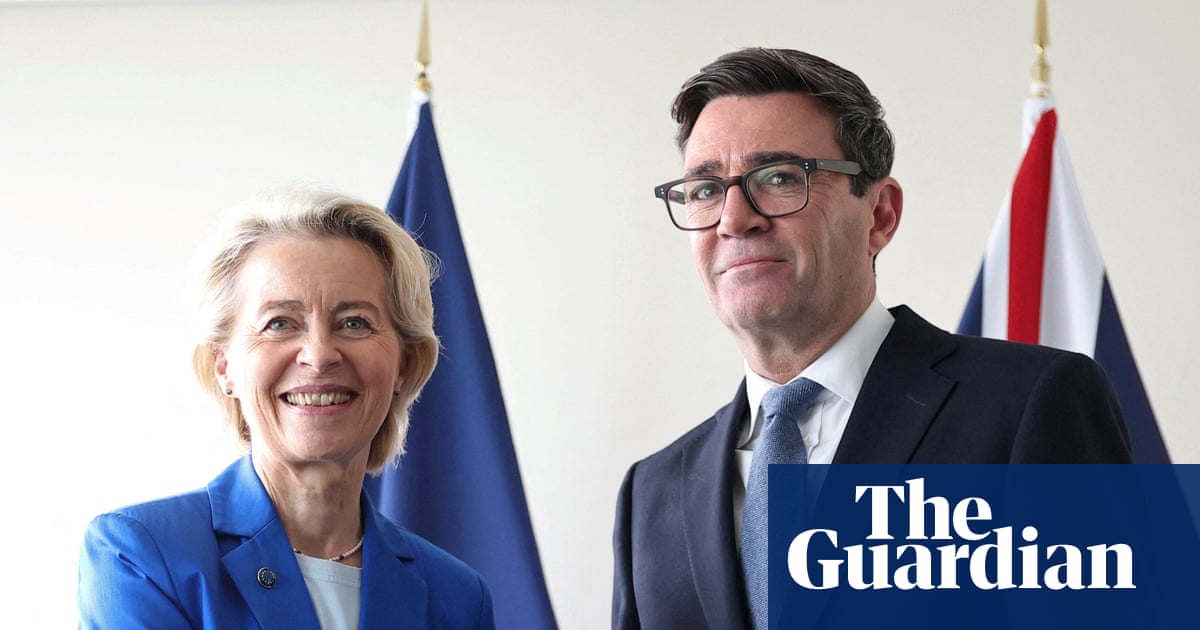
The new post-Brexit UK-EU youth mobility scheme or agrifood deal may not come fully into force until 2030.
It will be a disappointment to any under-30s in the UK and the EU who hoped to travel, work or study in each other’s territories from next year after the long-awaited new deal.
EU ambassadors will discuss the latest draft joint statement at a meeting on Wednesday in Brussels, with talk of youth mobility going right to the wire.
“We aim to apply this agreement no later than 2028 and endeavour to ensure that opportunities under the scheme will be available to our young people no later than January 2030,” a text agreed by negotiators from London and Brussels says.
The two sides aim to come to an agreement on tuition fees for EU citizens in UK universities, which could mean they pay a reduced international fee or the same fee as UK nationals.
EU countries including Germany could accept an unlimited number of young Britons under a youth mobility scheme, according to sources.
Fresh details on how a scheme might work have emerged with EU leaders and the UK expected to settle on a quota of about 100,000 a year being allowed to work, travel or study in each other’s territories from 2028.
The UK has insisted on a quota of EU citizens entering the UK under the scheme to guard against mass migration, but some countries have said they will not follow suit on the other side of the Channel and would be open to taking unlimited numbers.
The quota is expected to be worked out on a country-by-country basis with smaller countries such as Malta and Luxembourg seeking a system that will not be based on a per-capita quota per EU member state.
This is to allow linkage with the Made in Europe legislation that will not reach its final stages until possibly April next year in a vote in the European parliament. The legislation is designed to give priority to EU supply chains in the car and other industries.
By linking the two issues the UK can get assurances that the final detail of the deal on mobility cannot be signed off unless it has been included in the Made in Europe legislation.
The new agrifood deal would not be agreed until 1 March 2028, the draft statement seen by the Guardian confirms.
In what looks to be a breakthrough for Burnham there may also be a commitment to enter a dialogue to remove barriers to touring artists, particularly bands and theatres companies that perform in multiple EU member states.
after newsletter promotion
The 72-point joint statement also paves the way for further deals on steel between the UK and the EU.
But there is no agreement yet on whether the UK would commit to dynamically aligning with the EU on trade defence measures such as tariffs on Chinese cars.
The details came as Burnham said there is “no rush” to decide on the UK’s longer-term relationship with the EU, as he came under pressure from his own party to press the brakes on the pace of the rethink.
The prime minister said he would “take stock” of the wider relationship after Friday’s summit in Brussels, at which he also hopes to secure agreements on food and farming and emissions trading.
In an interview with Sky News, Burnham admitted he would now not set out the full options for a closer EU relationship until December – but denied he was “stepping back” from his previous commitments to pursue ties.
#UKEU #youth #mobility #scheme #fully #launch #European #Union