wellnessfitpro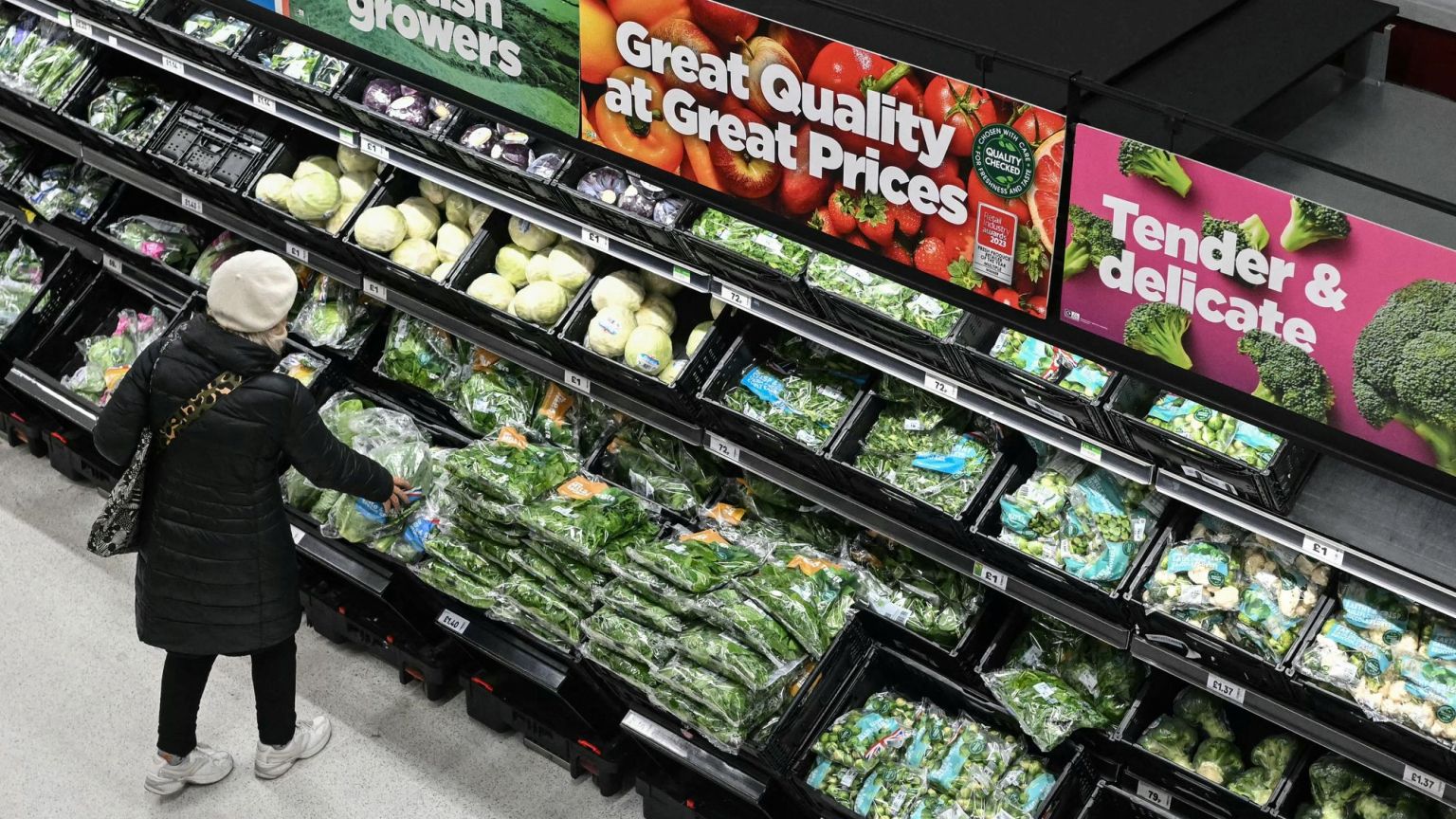
It’s a tale as old as time – when Britain’s economy tanks, politicians look for a villain to blame.
On this occasion, new chancellor John Healey has chosen supermarkets and petrol stations. Writing in the Sunday Telegraph, Healey warned retailers against taking customers ‘for a ride’ as the conflict in the Middle East drives up energy prices. State regulators, he reminded us, stand ready to clamp down on any ‘price gouging’ at the till or the pump.
Healey is not the first politician to jump on this bandwagon. His predecessor, Rachel Reeves, did exactly the same back in May, when she called for supermarkets to cap their prices.
In this latest anti-supermarket wheeze, Healey admits there is no evidence that this is even actually happening. ‘There has been no significant evidence of so-called price gouging’, he writes, before proceeding to warn companies against doing precisely that.
This is a revealing contradiction. ‘Price gouging’ has become a popular phrase on the left as it pits company against consumer: the former exploiting national crises to the detriment of the latter.
Supermarkets have become one of Britain’s favourite corporate villains. Tesco has made several billion pounds in annual profit in recent years. This would appear to be a large sum, but only if you ignore the fact that Tesco also turns over about £70 billion a year. The British public has become remarkably bad at distinguishing the difference between large numbers and large margins. When I pointed this out on X back in May, there was instant outrage.
Britain’s largest supermarkets typically operate on net profits of between two and four per cent. According to Oxford Economics, on a basket of everyday essentials costing a little more than £20, the entire food supply chain – farmers, processors, manufacturers, distributors and supermarkets combined – makes only around 29p profit.
Food retail is, economically speaking, a rather odd industry to accuse of profiteering. It is famously one of the most competitive sectors in the British economy, with different chains offering various deals and offers to tempt customers away from rivals. Aldi and Lidl have spent the past decade forcing incumbents into ever more aggressive price competition, allowing consumers to compare and contrast price differentiation with a few taps on a smartphone screen. If there was real gangster capitalism in Britain’s supermarkets, the grocery sector would look vastly different than it does today.
Petrol stations also face constraints. Local BP and Shell garages do not purchase oil directly from the Strait of Hormuz. The operating companies of forecourts buy refined fuel whose wholesale price fluctuates daily on international markets. When conflicts around the world erupt, this can disrupt supply and wreak havoc with prices.
It is also important to recognise that half of what is paid when filling your car up goes directly into the government’s coffers. Fuel duty remains 52.95p per litre (including the 5p freeze) and then a 20 per cent VAT rate is applied on the final price. If the government truly wanted to reduce the price of petrol and diesel, it would look at ways of reducing the very taxes that make the commodity expensive in the first place.
What’s more, rising prices have their uses. They can encourage consumers to economise and suppliers to bring additional supply to market. The allocation of scarce resources is something that politicians frequently believe they can do better than the market. During previous energy shocks, if there had been an attempt to suppress fuel prices, consumers would have likely experienced long queues or, worse, closed forecourts.
Today, spending on food amounts to barely 11 per cent of household expenditure. This has fallen from about a quarter since the late 1970s. Decades of innovation and intense price competition have enabled food to be far more affordable, dramatically reducing the costs of feeding the nation.
Businesses, of course, should not be immune from scrutiny. Regulators should have the right to intervene if companies collude or deliberately mislead consumers. But existing competition law already provides regulators with the tools to do so.
Politicians understandably dislike telling voters that everyday items are becoming more expensive. They do not wish to mention the high levels of tax or minimum-wage rates that companies face. It is far easier to claim that businesses are making exorbitant profits at their expense. In reality, keeping shelves stocked and pumps full through global disruptions is evidence of an extraordinarily efficient market working almost exactly as it should.
Matthew Bowles is a senior policy researcher at the Prosperity Institute.
#myth #supermarket #price #gouging