wellnessfitpro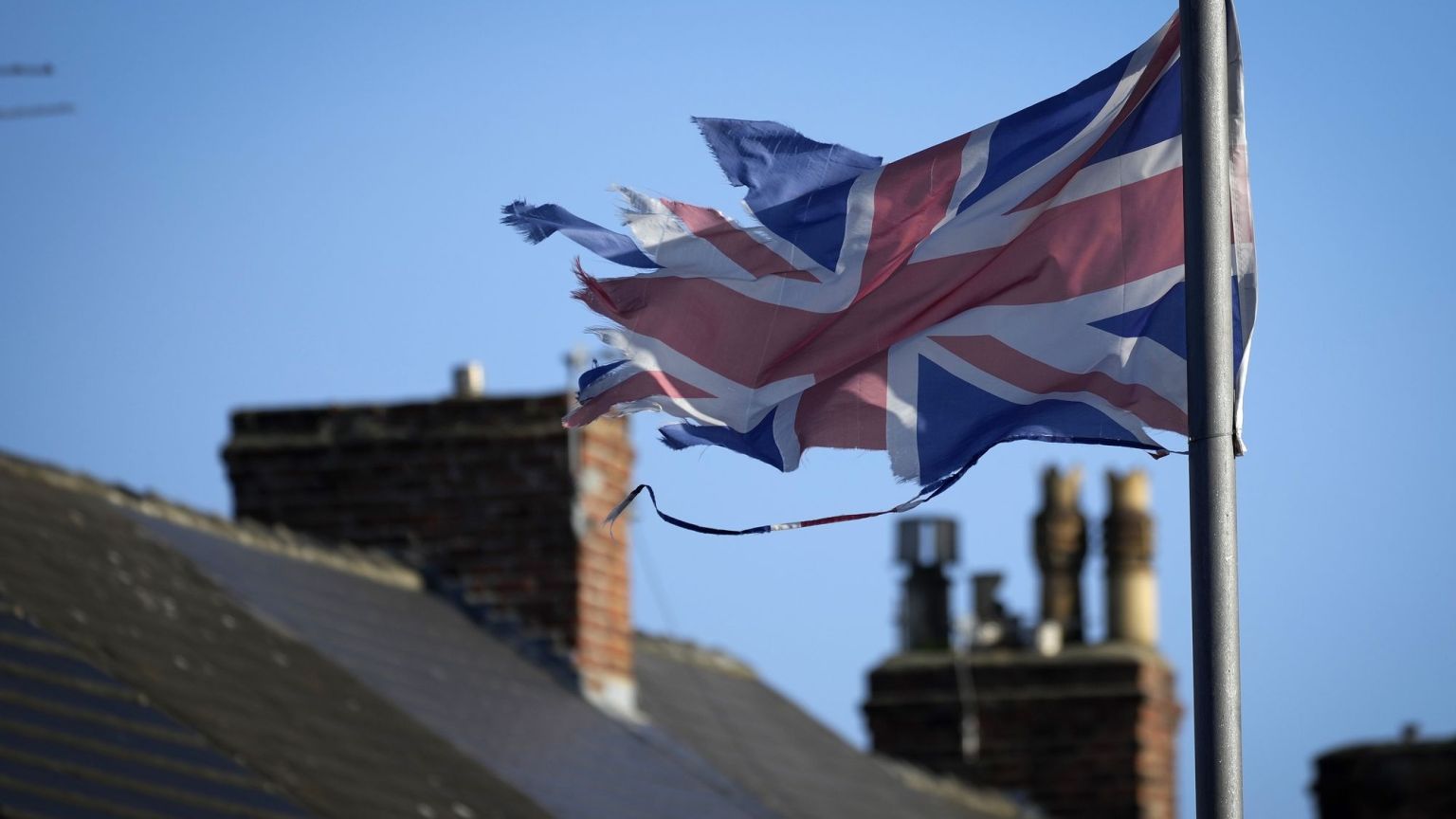
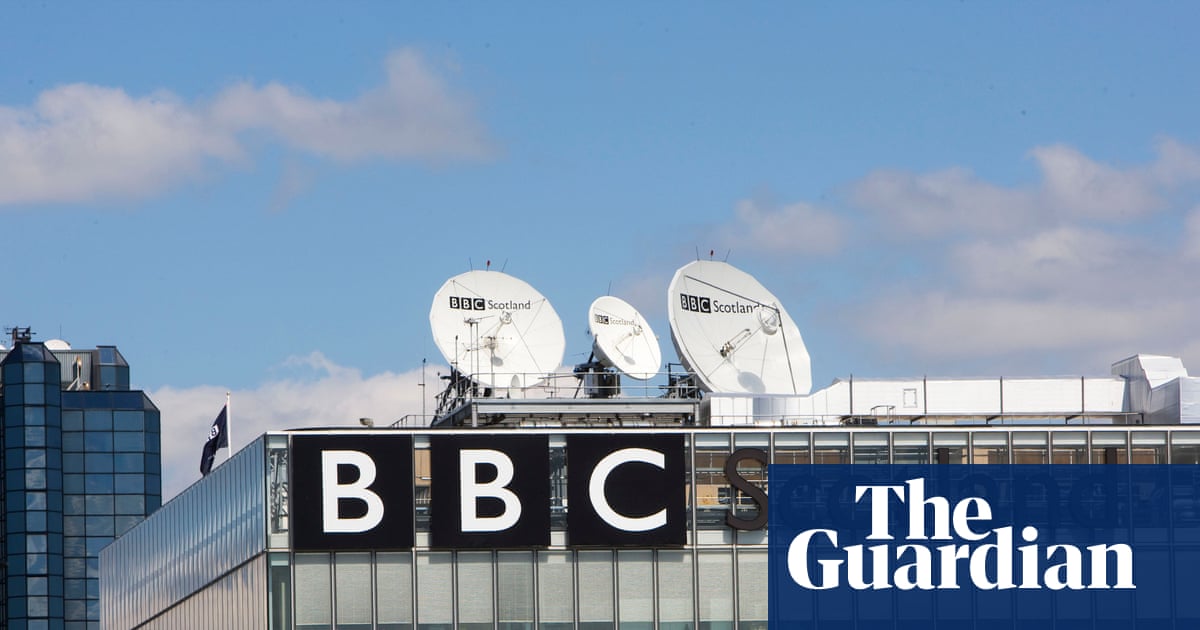
In 2011, with the glass barely swept up after the London riots, the think-tank Demos measured Britain’s pride in itself and found it obstinately intact. A net 74 per cent of us were proud to be British. Last week, Demos ran the ruler over us again. The figure is 47 per cent. Pride in Britain’s role in the world stands at 13 per cent. The BBC, which 15 years ago enjoyed a net pride score of 48 per cent, now sits at minus-11, meaning more Britons are ashamed of the corporation than proud of it. That last number is, I suppose, at least evidence that the public can still see straight.
The Times called the findings sobering. Miserable they certainly are, but nobody who has spent a working life in and around our institutions has any business being surprised. Shame on this scale is a harvest. The sowing took the better part of half a century, and the crop is now coming in.
Look where the collapse runs deepest. Not among the poor, and not among the old, but among the prosperous middle aged of the upper classes – the cohort that passed through our universities in precisely the years when those universities stopped transmitting our civilisation and began apologising for it. Their children now report a fresh distaste for British history, the Union Jack and the armed forces, which are the three things you would teach a nation’s young to despise if despising the nation was the point of the lesson. The old still love England. It is the people who govern her they no longer trust.
French philosopher Julien Benda named the problem in his 1927 book, La Trahison des Clercs – ‘The Treason of the Intellectuals’. He referred to the treason the learned class committed when it abandoned truth for political theory. Our intellectuals went further than Benda imagined. They kept the gowns, the chairs, the studios and the grants, and turned the whole apparatus of cultural transmission into an apparatus of cultural repudiation.
George Orwell observed the seedling of our current woes during the Blitz. ‘It is a strange fact’, he wrote in 1941, ‘but it is unquestionably true that almost any English intellectual would feel more ashamed of standing to attention during “God Save the King” than of stealing from a poor box’. He also described what he believed they could never reach. English patriotism was not the shouting kind. It lived in the texture of ordinary life – in the bitterness of the beer and the weight of the coins, in solid breakfasts and gloomy Sundays. What Orwell did not reckon with was patience. A quiet patriotism can be quietly starved. It takes decades, but decades were available.
Roger Scruton gave the disease its clinical name: ‘oikophobia’, the repudiation of home as a badge of sophistication. In his 2001 book, England: An Elegy, he wrote up the patient’s notes with a breaking heart. The long march that Antonio Gramsci imagined never needed to seize a parliament. Instead, it targeted the institutions where real meaning was found: the schools, the broadcasters, the churches, the museums, the law. The curriculum was to be decolonised and the family problematised, while the faith of Thomas Cranmer and George Herbert dwindled into a heritage asset with a safeguarding policy. No conspiracy in a cellar was needed, only a class with a shared sneer – the nowhere people, at home in Brussels and Davos and nowhere else. The same class that gave us the EU, mass immigration without consent, the failed experiment of multiculturalism, an armed forces cut to the bone and then investigated and pilloried for winning.
The Church of England’s own hierarchy has joined in the work. For decades, the bishops have been quietly dismantling the parish system that built England, amalgamating benefices until one exhausted priest serves 10 villages, while the bureaucracies swelled with advisers for everything except the cure of souls. The commissioners sit on a fortune of some £10 billion while bleeding the pews dry. In the midst of this, the Church is also determined to pay £100million in slavery reparations, for the sin of existing in the 18th century. There now exists a movement called Save the Parish, a name that would have been unintelligible to any previous generation. Imagine needing to save the parish from the Church.
And yet. One line on the Demos chart rises. Pride in the local community is higher than it was in 2011. We trust our neighbours more even as we trust the national institutions less. The Times reads this as a curiosity. I read it as hope. The nation is not dead, only withdrawn to the parish, where England began. This country was assembled out of parishes, out of vestries and benches and lifeboat crews, long before Whitehall existed to be ashamed of it. What was assembled once can be assembled again.
Which is why winning an election is only the start of the work. Four hundred MPs and a Lords willing to pass the government’s legislation give you a bridgehead, nothing more. The real territory is the institutions themselves, the quangos and commissions through which the clercs have ruled for decades without once standing for office. They marched through the institutions. We must now fan out through them – patiently, lawfully, cheerfully, and hand the meanings of England back to the people who never stopped believing in them.
It will take discipline and hard work, and it must be done with joy in our hearts, because sourness is their patrimony and cannot be ours. Britain has not fallen out of love with herself. She has been talked out of love, and what has been talked out can be talked back in, and sung back in. There is no greater cause than this.
Except, perhaps, romantic love. But a man who will not fight for his country was never much use fighting for his beloved, and the two loyalties have always kept each other’s company.
Gawain Towler is a commentator and an elected board member of Reform UK. This is an edited version of an article that originally appeared on his Substack.
#Britain #fallen #love