wellnessfitpro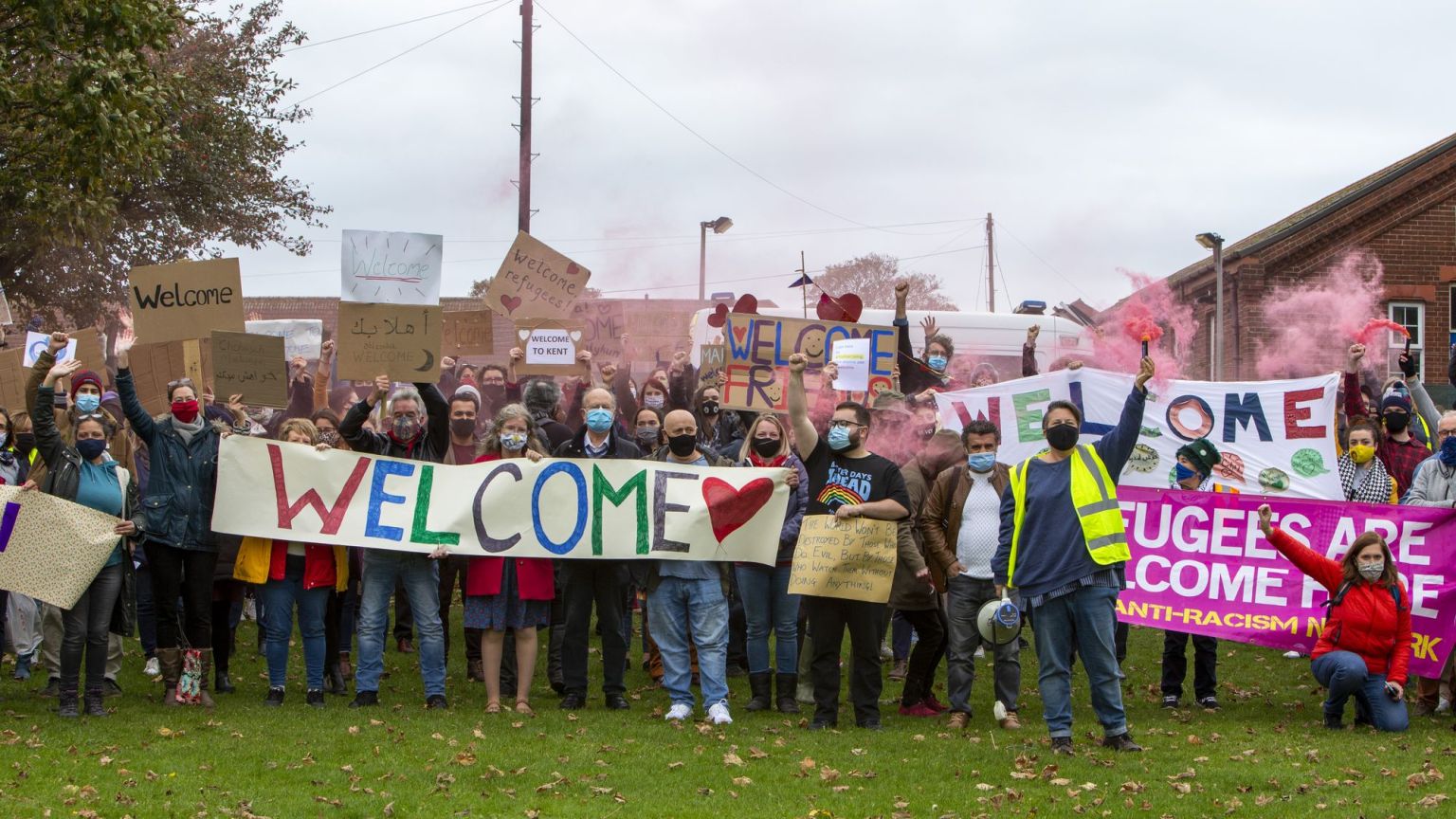
The British state’s decision to disperse asylum seekers to the poorest parts of the country has long been causing serious problems. Mainly accommodated in so-called migrant hotels and increasingly houses in multiple occupation (HMOs), asylum seekers’ presence has been the source of many issues, from rises in anti-social behaviour to pressure on already stretched public services. It has also fuelled higher rents as landlords remove family homes from the market to create bedsits.
It seems that Britain’s new prime minister, Andy Burnham, has recognised that locating so many asylum seekers in already deprived areas can’t go on. In his by-election victory speech in Makerfield in June, Burnham acknowledged that ‘HMO Britain’, particularly where it is connected to the refugee industry, is deeply unfair.
Since then, the government has acted on its promise to close asylum hotels in places that have already received a disproportionately high number of asylum seekers, including Blackpool, Nottingham and Wolverhampton. And after more than 3,000 people arrived by small boat in the first month of his premiership, Burnham has recently announced that wealthier areas must now accommodate their fair share of asylum seekers.
Relative to population size, the highest regional concentrations of asylum seekers have been in relatively deprived areas in the north east and north west. There, Serco and Clearsprings – private companies with extremely lucrative government contracts – have been sourcing the cheapest housing available. Until recently, much of this accommodation has been in hotels, which have attracted various protests, some of them violent. But after Labour’s decision to close the hotels, the consequence has been a rise in HMOs in poorer communities.
The way in which asylum seekers have been accommodated in the UK has long been causing problems. In the 2000s, I was carrying out research for my PhD in an inner-city housing estate in Nottingham. In the early 2000s, the estate received a large number of single Iraqi men. No one was informed or consulted beforehand. Groups of men seemed simply to appear overnight.
While conducting interviews with the local residents, women in the area told me that they had been harassed and propositioned as they went about their daily business, including taking their children to school and going to the shops. They tried to complain, but were told to stop being racist. The problems only got worse. Things came to head in September 2023, when a large number of men from as far afield as Newcastle and Coventry fought each other on the estate. One man was killed, many others were injured, and 28 Iraqi Kurdish men were arrested.
In 2015, I wrote a piece for the Guardian on the issue of accommodating asylum seekers, drawing on my research in Nottingham. At the time, the hashtag #RefugeesAreWelcomeHere had begun appearing across the social-media accounts of Labour supporters and MPs. My argument was that, while liberals and the ‘progressive’ left insisted that refugees must be welcomed, they weren’t interested in accommodating them in Hampstead or the Cotswolds or the nicer parts of Islington. Instead, they were dispersing them into the poorest parts of the country, where resources were already scarce and residents were becoming resentful. As the article’s title put it, ‘The refugee crisis will hit the UK’s working-class areas hardest’.
Following the publication of the Guardian piece, I was promptly attacked by other academics, especially sociologists. A group of post-graduate students from Oxford University targeted me online to the point that it seriously affected my mental health. Academics, activists and students joined a campaign to brand me a racist. That was especially difficult because I had been married into a black British family for 23 years and my son is mixed race. Being branded a racist for doing what academics should do – undertaking research and disseminating the findings – has unfortunately become normal in the university system for those of us whose research is unfashionable and challenges prevailing academic orthodoxies.
Yet the position now being adopted as official government policy under Burnham reflects the findings of my research from the 2000s and the argument I put forward in 2015 – that impoverished people from places ravaged by war were being dispersed into the poorest communities and then abandoned to local authorities, charities and the wider community, putting further strain on already limited resources. It has always been a recipe for tensions and unrest.
It seems that the middle-class Labour MPs, academics and ‘progressive’ activists, who continue to spout the mantra ‘refugees are welcome here’, are finally about to get their wish – a nine-bedroom HMO next door to them filled with men they know nothing about. I wonder how long it will take before they begin lobbying the council and the government, claiming that their new neighbours would be better off after all in Blackpool, Skegness, Redcar or Mansfield.
#refugees #crowd #finally #learn #lesson