wellnessfitpro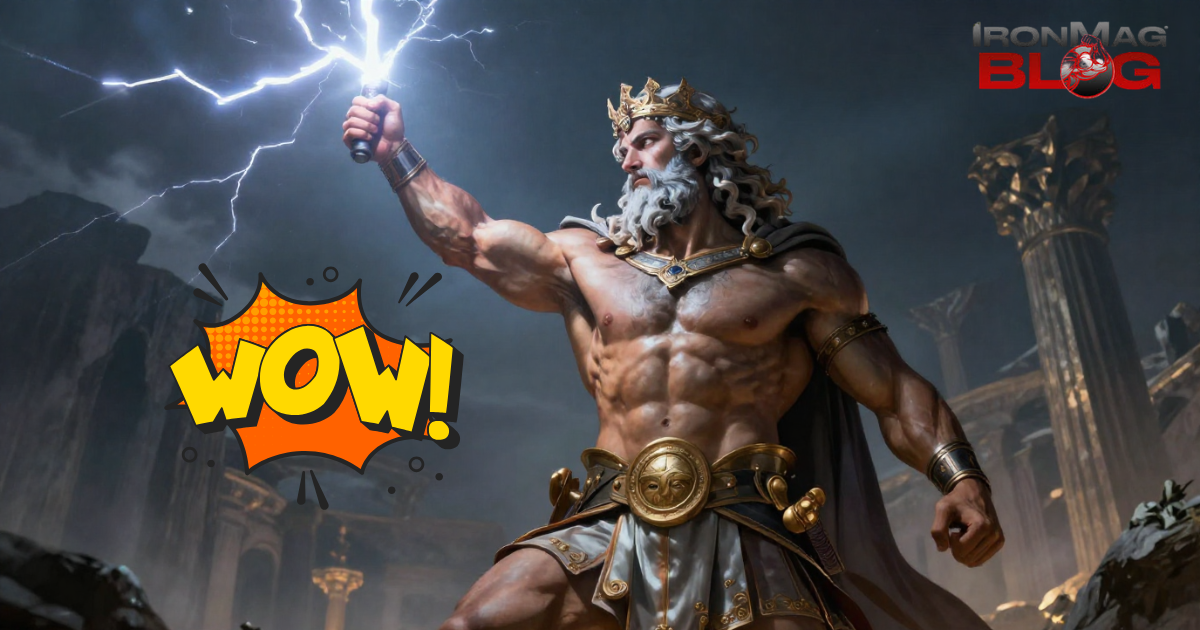
Do you want to look like an ancient Greek athlete?
Everyone has a different idea of the “ideal” body. Some aim for the massive, stage-ready look, while others prefer something leaner and more athletic.
But what if you want something in between? Not overly bulky, not too slim, just a balanced, aesthetic build. That’s where the idea of the Greek God physique comes in.
It’s all about proportion, symmetry, and clean muscle definition. The kind of physique that looks strong without feeling overdone. For me, this is more realistic and sustainable compared to extremes.
In this article, we’ll break down everything you need to build that look, from training and recovery to symmetry and mindset. Let’s get into it!
Disclaimer: This article is for informational purposes only and should not be used to treat or diagnose any condition. It is recommended that you speak with your doctor before starting any exercise program, making changes to your nutrition plan, or adding any new dietary supplements into your current regimen.
What Defines the Greek God Physique?
The idea of the Greek God physique dates back a long way.
In ancient Greece, physical training wasn’t optional… it was part of everyday life. From a young age, people were involved in activities like running, wrestling, and throwing events, not just for sport, but to build strength and readiness.
Training spaces were a big part of that culture, where discipline and physical development were taken seriously.
Over time, that ideal carried into mythology and art. Sculptures and stories often showed bodies that were strong, well-defined, and perfectly balanced.
Even today, that look still holds up. Think of physiques that are muscular but not excessive, sharp but still natural. That’s the appeal.
So, what actually makes up this kind of physique?
1. Low body fat
You need to be lean enough for your muscles to show. Around 10 to 12 percent body fat is where definition really starts to stand out.
2. Broad shoulders, narrow waist
This creates that classic V-shape. It’s one of the most noticeable traits and gives the body a strong, athletic look.
3. Well-developed legs
A lot of people overlook this, but strong legs bring balance. They complete the overall shape and keep the physique from looking top-heavy.
4. Balanced upper body
It’s not just about big shoulders or chest. Arms, back, and forearms all need attention to keep everything looking proportional.
5. Symmetry
This is what ties everything together. No single muscle group should overpower the rest. The goal is balance, where everything grows evenly and works together visually.
That’s what separates this look from extremes. It’s not about being the biggest or the leanest. It’s about getting the proportions right.
4 Lessons from Ancient Greek Athletes
Below are some workout tips we have learned from ancient Greek athletes.
1. Discipline over excuse
Coaches in ancient times trained athletes with one clear goal in mind, and that is performance. Even though they encouraged discipline and moderation, they didn’t let a bad night become an excuse to skip training.
If someone had overdone it the night before, they were still expected to show up. The session might be lighter, but the routine stayed intact.
I actually like that mindset. It’s less about being perfect and more about staying consistent, no matter what.
Training in that state wasn’t about pushing limits. It was about keeping the habit alive, moving the body, and getting back on track.
2. Running
The thought of running isn’t always appealing. Old aches, tight knees, or that lingering injury from years ago can make it feel like a task. But when it comes to cardio, it’s one of the most efficient options out there.
Running delivers a strong cardiovascular workout without needing much equipment or setup. It improves lung capacity, supports your immune system, and helps in weight management.
Even historically, it was a core part of athletic training. For ancient athletes, running wasn’t optional… it was essential for building endurance and preparing for competition.
3. Training with rhythm
The ancient Greek athletes believed that training wasn’t just physical, it was also about the mind and spirit. That’s why music was important in both practice and competition.
In training spaces, musicians would establish steady rhythms to direct movement, especially during warm-ups. When your movements align with a rhythm, they become smoother and more controlled.
A good beat can help you stay focused, keep your pace consistent, and make workouts feel a lot more natural.
4. Recovery and body care
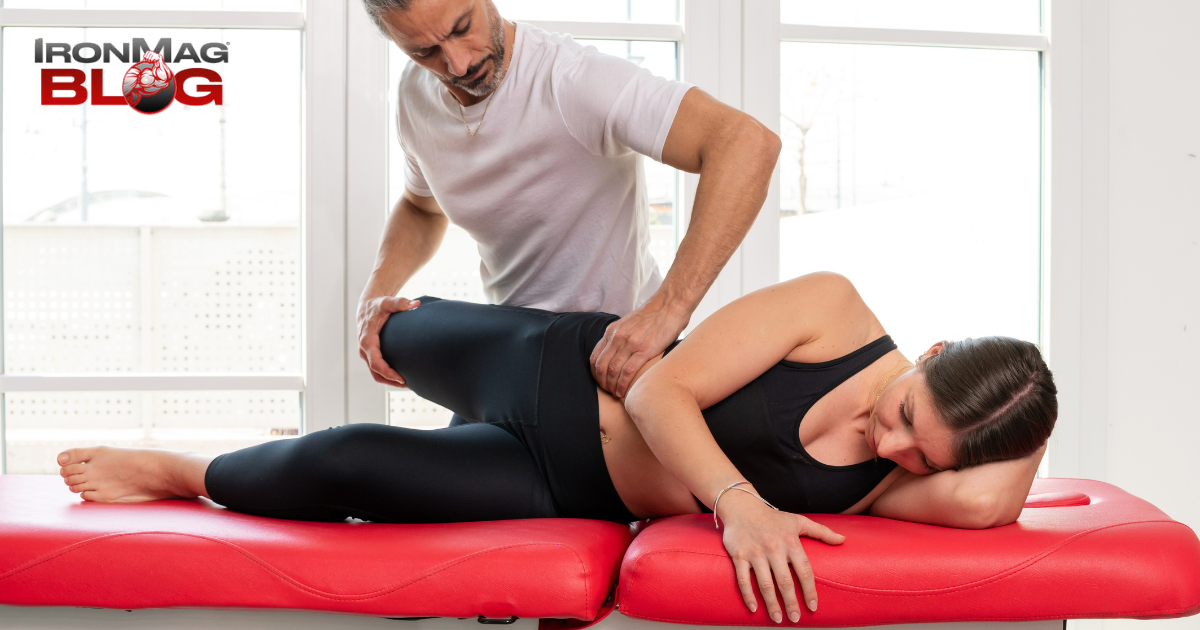
It might sound unusual today, but ancient athletes often used natural oils as part of their routine. Massaging the body with oils helped relax muscles and prepare them for movement.
They also believed it helped protect the skin and keep the body warm during training. There’s something to that idea. Taking a few minutes to care for your body, whether it’s stretching, foam rolling, or even a simple massage, can make a real difference in how you feel and perform.
Author Bio:
Matt Weik, BS, CSCS, CPT, CSN, is a globally recognized health, fitness, and supplement industry expert with over 25 years of hands-on experience. He is the founder of Weik Fitness and one of the most prolific writers in the space, known for translating complex science into clear, actionable content. Matt holds a Bachelor of Science in Kinesiology from Penn State University and multiple industry certifications, giving his work both academic credibility and real-world authority. His writing has been featured on thousands of websites and in 100+ magazines worldwide, including FLEX, Muscular Development, Iron Man, and Muscle & Fitness UK, and he has authored 30+ published books. Trusted by leading supplement brands and media outlets alike, Matt is widely regarded as one of the most knowledgeable and reliable voices in health, fitness, and sports nutrition.
#Train #Ancient #Greek #Athlete #IronMag #Bodybuilding #Fitness #Blog