wellnessfitpro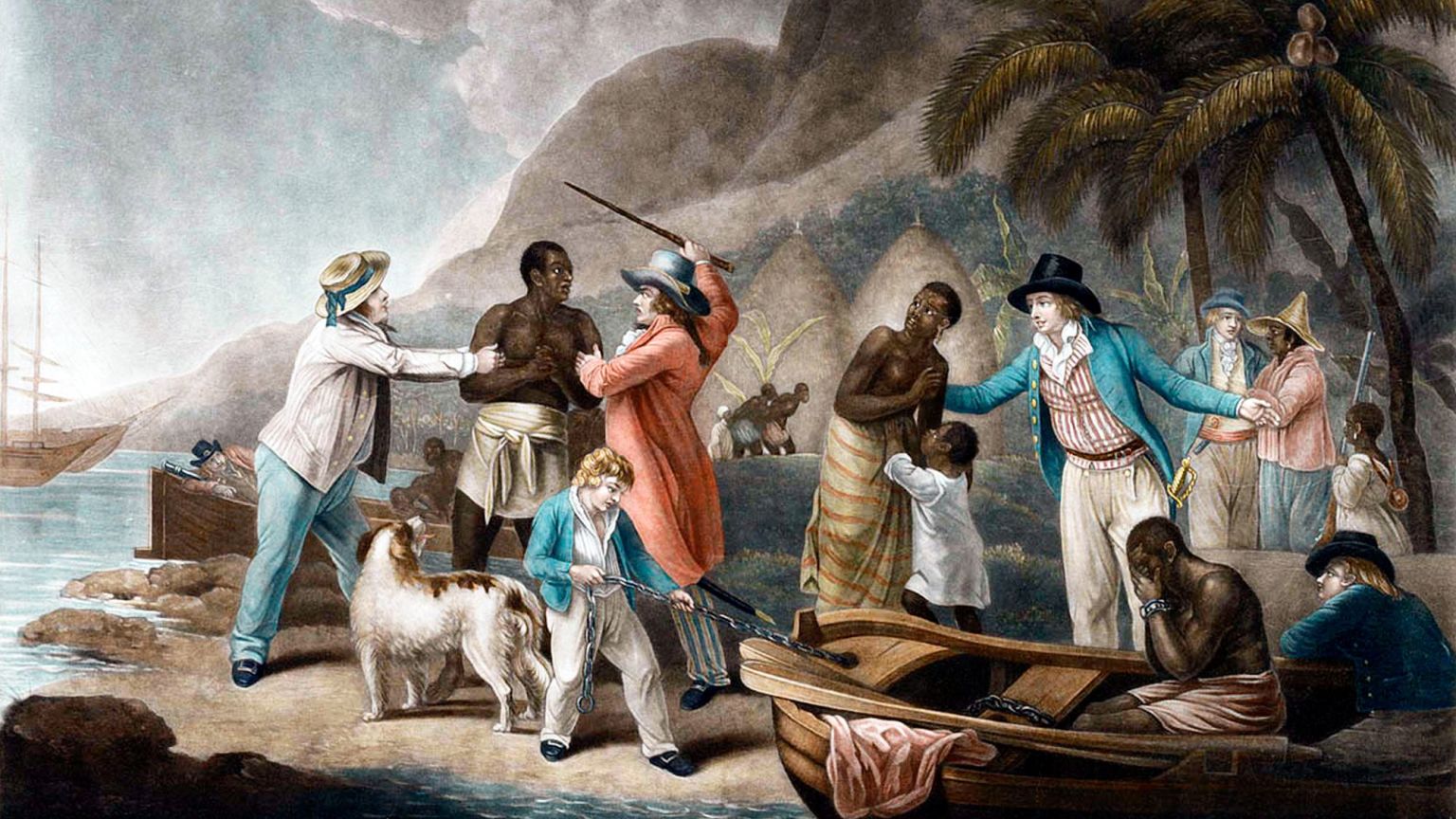
The pressure on British taxpayers to start coughing up money to fund reparations for the historic enslavement of Africans by some of their ancestors is mounting. In February, the African Union adopted a resolution proposed by its champion for reparations and Ghana’s president, John Dramani Mahama, which identifies slavery as a crime against humanity. In March, the UN General Assembly passed Ghana’s resolution describing transatlantic chattel slavery as ‘the gravest crime against humanity’ and calling for reparations as ‘a concrete step towards remedying historical wrongs’. While 123 states supported it, only three (Argentina, Israel and the US) opposed it, and 52 (including the UK) abstained.
This week, Jamaica has formally petitioned King Charles III, urging him to request legal advice from the judicial committee of the Privy Council – the final court of appeal – on whether Britain is obliged to provide a remedy for slavery and its enduring consequences. At this November’s gathering of Commonwealth leaders in Antigua and Barbuda, the former prime minister of St Vincent and the Grenadines, Ralph Gonsalves, has declared it ‘inconceivable’ that the issue of reparations won’t be at the heart of it.
Those pressing Britain from without have allies within. In March 2023, Labour MP Clive Lewis – supported by colleagues Nadia Whittome and Dawn Butler – called for the UK government to enter into ‘meaningful negotiations’ with Caribbean countries about reparations. The following month, Labour MP Bell Ribeiro-Addy demanded that then prime minister Rishi Sunak apologise ‘for our country’s role in slavery and colonialism’. And, since 2023, the Irish billionaire Denis O’Brien has been funding a parliamentary lobbying campaign for slavery reparations based in Lewis’s office.
Even David Lammy, until last year Britain’s foreign secretary, has expressed sympathy. Speaking as a backbench MP in June 2018, he said:
‘The Caribbean nations have been united in wanting to put the issue of reparations back on the table… It is important that this country hears and listens… Let us consider: what do reparations look like for those Caribbean nations? How do we make that work?’
Then, as shadow justice secretary in 2020: ‘The starting point is truth and reconciliation… we’re no longer in a society where we question notions like white privilege.’ Lammy said that ‘we have to discuss power and reckoning and repairing – and that to some extent is obviously financial’.
But the case for Britain paying reparations is historically and morally ludicrous. It depends on a cartoonishly simplistic – even racist – tale of whites exploiting blacks. Yet, as indicated by the subtitle of Martin Plaut’s 2025 book, Unbroken Chains: A 5,000-year History of African Enslavement, Africans had been busy enslaving other Africans for centuries before European traders first appeared off the coast of west Africa in the mid-1400s. Those they didn’t consume in human sacrifices, Africans sold first to the Romans and then to the Arabs. And when the Portuguese, Spanish and British came in search of African slaves, they didn’t have to venture inland to hunt them down. They simply waited on the coast for African slave-traders to bring them. Those African traders included the ancestors of many Ghanaians, among them – according to Alistair Parker’s recent History Reclaimed article – President Mahama himself.
It’s reckoned that Europeans transported 12.75million Africans across the Atlantic to the Americas. Of these, about a quarter were taken by the British. Caricom (an organisation of Caribbean states) and the African Union are keen to broadcast such figures. Others they’re keen to bury – in particular, the nine million Africans taken to the Mediterranean and the 12million transported to the Red Sea, Persian Gulf and west of India. Those Africans were first enslaved by other Africans and then sold to Arabs.
Let’s do what reparations advocates don’t do: be fair and put British involvement in proportion. In 1804, there were an estimated 45million chattel slaves around the world, of which the British share in the West Indies was just over one per cent. Of a total of at least 41million African slaves bought and transported across the Atlantic, the Sahara and the Indian Ocean, British merchants bought just under eight per cent, whereas Arabs were responsible for 37 per cent. But the original enslavers and traders of almost 100 per cent were other Africans. In the 1850s, the Fulani people of what is now northern Nigeria ran vast plantations employing four million slaves at any one time – more than the total transported to the Americas by the British in over 140 years.
What’s more, unlike any African nation, the British repented of their involvement in slave-trading and slavery, and in the early 1800s were among the first peoples in the history of the world to abolish them. They then used their imperial dominance to suppress the slave trade, not least in Africa itself. The Beninese historian, Abiola Félix Iroko, has written that, ‘When the slave trade was abolished [by the British], Africans were against abolition’. Indeed, according to Plaut, many of them are still against it. Today, the trade and the institution are alive and well in Mauritania, Mali, Niger, Sudan and Libya.
That the African Union is pressing for British reparations for slavery is not only ludicrous – it’s outrageous, too. What’s more, it could cripple the Commonwealth, plunging it into rancorous disputes about the past and spooking private philanthropists otherwise keen to fund educational and environmental projects for the future. China, Russia and Iran would look on with glee.
The only reason Caribbean nations aren’t pressing their reparations case upon the Africans and Arabs is that they know they’d get short shrift. The British, however, look ripe for plucking, since our progressive elites have long loved to wallow in exaggerated guilt. Such indulgent virtue-signalling is about to get very expensive, costing us all. It needs to stop.
Nigel Biggar is a Conservative peer, Regius Professor emeritus of moral theology at the University of Oxford and author of Reparations: Slavery and the Tyranny of Imaginary Guilt (Swift, 2025).
#Britain #pay #penny #slavery #reparations