wellnessfitpro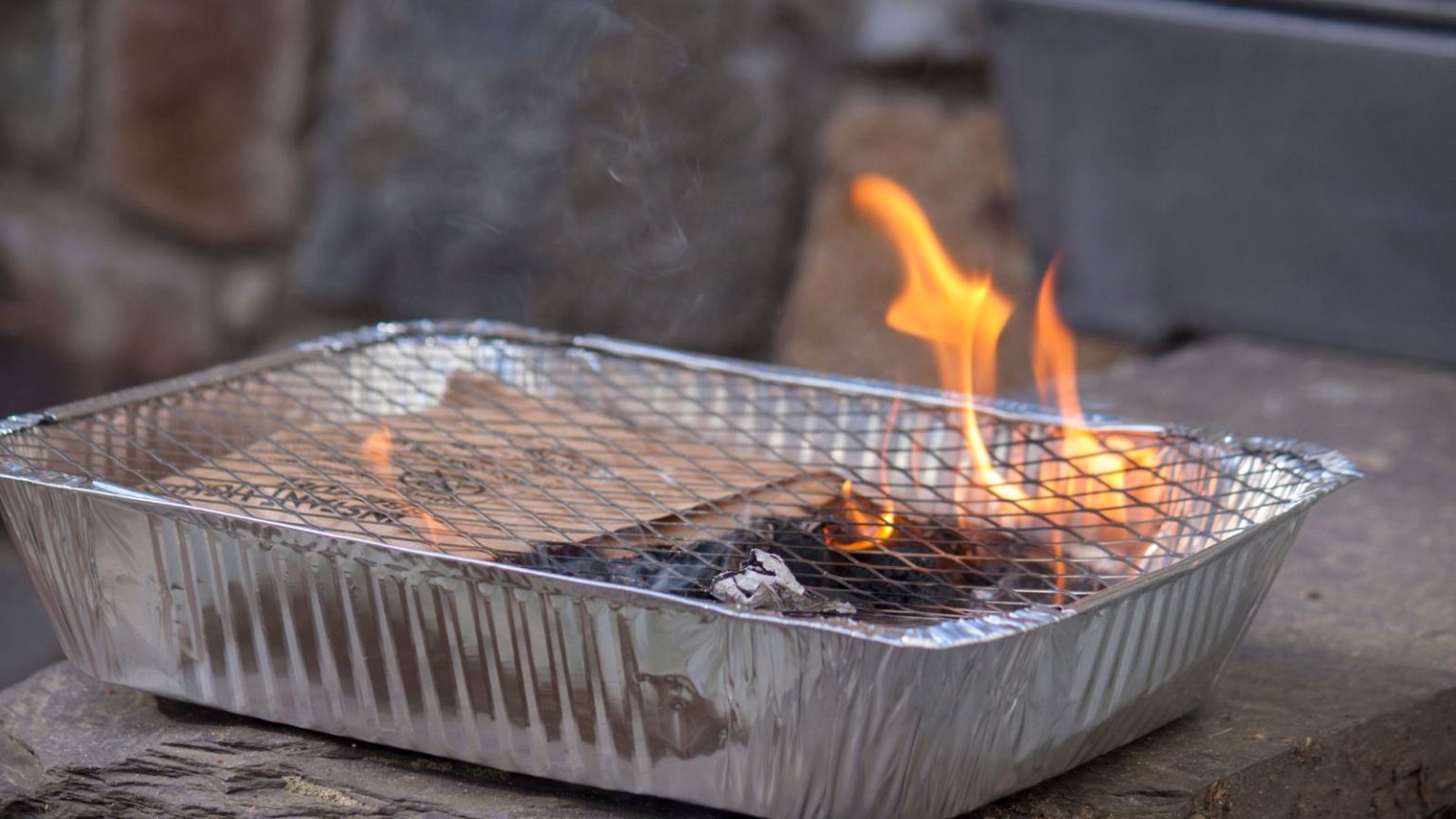
Disposable barbecues, of all things, have found themselves in the firing line after Andy Burnham’s government temporarily banned their sale over wildfire fears. Fair enough, you might think. It’s probably a good idea to refrain from firing up a tray of burning charcoal in tinder-dry woodland during an extreme heatwave.
However, the ban does fit a much less benign pattern of political-class policymaking. The humble disposable barbecue and attendant cook-up seem almost uniquely designed to offend chattering-class sensibilities. These barbecues are cheap, ubiquitous and associated with meaty, boozy, spontaneous fun.
It’s easy to paint a bit of a romantic picture of Brits cooking outdoors: a £5 barbecue from the supermarket, sausages and burgers, ketchup, mayo, crisps, a crate of lager or a box of wine, children running about, someone burning the onions, smoke getting in everyone’s eyes. Possibly a touch of rain. Possibly an irate father fumbling with the matches, trying to get it all started in the first place. Possibly an errant frisbee or football, and hopefully an overly excited dog chasing around and trying to pinch food. A proper British picnic barbecue, in other words, of the kind we used to have on the beach when I was a boy.
It’s quite gloriously ordinary and highly accessible. Much like the pub used to be, before smoking bans came in and eye-watering taxation drove the cost of a pint upwards (I paid £11 for a Weissbier and a kid’s apple juice in a silly hipster place the other day). You don’t need a garden of your own, an expensive outdoor kitchen, or a reservation at a BBQ gastropub. You just need a patch of grass, a few bits from the shop, a match and a few mates or family members.
Frustrated as I often am by the black squares of burned grass you often see in the local park after a sunny day, I would be sad to see the disposable barbecue go. It would be yet another example of the distinctly puritanical attitude of our governing class towards everyday pursuits, especially those enjoyed by the lower-middle and working classes.
Smoking damages your health and burdens the NHS. Drinking, we are increasingly reminded, has no safe level. Meat is bad for the planet. Cars pollute our cities. Cheap flights pump carbon into the atmosphere. Sugary foods make us fat. Bonfires dirty the air. And now even the humble barbecue, disposable or otherwise, can be understood primarily as a source of wildfire risk, pollution and unnecessary emissions.
Taken individually, there is truth in most of these arguments. But piled one on top of another like this, we see a certain worldview developing. Almost every ordinary pleasure now seems to arrive with a moral debit column attached. Whatever we enjoy, somebody is waiting nearby to calculate its cost to our bodies, the NHS, the environment or society at large. The old Roundheads worried about sin. The new puritans worry about externalities.
Our parents and grandparents inhabited a world in which grown adults were largely expected to make their own calculations about minor risks (though, of course, they weren’t always as aware of the risks as we are today). They regularly drank in pubs. They smoked, grilled meat, drove to the seaside, lit bonfires, let off fireworks and let their children disappear off into the local park without a second thought.
Some regulation has undoubtedly made life better – drink-driving wasn’t doing anyone any favours. But we seem to have moved from regulating obvious harms to regarding risk itself as something the government ought to save us from. There always seems to be a grey man with a clipboard somewhere telling us no.
There is an obvious class element to all of this. Wealthy people can typically buy more ‘respectable’ versions of the kinds of pleasures everyone gets lectured about. Eco-tourism takes the place of short-haul package holidays; driving is done in brand-new electric SUVs; disposable barbecues aren’t needed, because expensive outdoor kitchens in large gardens are ready to hand. Working-class versions of these pursuits attract the greatest disdain, while elite consumption gets a convenient pass.
The disposable barbecue is a perfect symbol of the kind of everyday enjoyment the new puritans so hate: cheap, unbranded and uncomplicated, it simply lets ordinary people enjoy themselves.
Human existence cannot be reduced to longevity, carbon budgets and the minimisation of risk. It should not be. Some things are still worth doing, even if they are physically unhealthy. We eat good food instead of throwing back supplements and greens shakes – sometimes we eat too much of this good food. We also sometimes stay up too late to watch a good movie or go for drinks with old friends. Small excesses like these are not unfortunate glitches in otherwise well-managed lives. They are a part of what makes life worth living, to get a little cliched and sentimental for a moment. They fill our souls. And, honestly, the content of our souls is absolutely none of the government’s business.
Prudence has a large role to play in the good life. We owe due care to our neighbours, and we have a duty of care to what we inherit and what we will pass on. But prudence is not abstinence, and living well isn’t the same as living as safely as possible. No grey man with a clipboard should be able to dictate your vanishing blink of a life on this great rock of ours.
#Labours #puritans #hate #disposable #barbecue