wellnessfitpro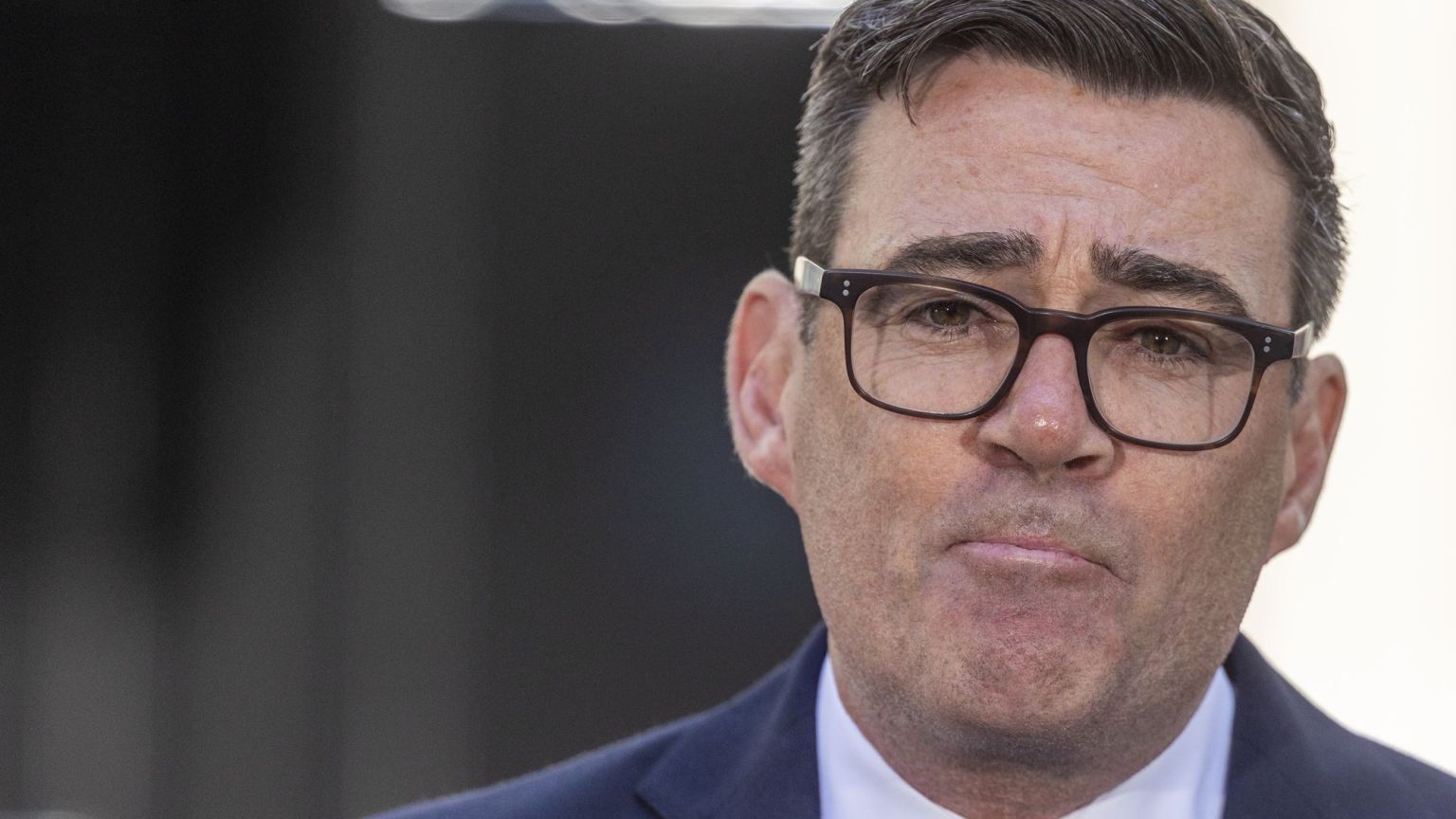
With less than one month to go before MPs debate the Terminally Ill Adults (End of Life) Bill for the second time, UK prime minister Andy Burnham’s recent statement that Britain must first fix its palliative and social care is significant before assisted-dying legislation should proceed. This was rightly welcomed by many who were deeply concerned by this fatally flawed bill, which was rejected by parliament in April after failing to pass the House of Lords. But Burnham’s conditional opposition fails to recognise the concerns that run even deeper than Britain’s struggling healthcare system.
Burnham’s stance is hardly a volte-face. Although he abstained from voting on a similar bill in 2015, in 2024 he told the BBC that he would ‘probably vote in favour of [assisted dying]’ as he agreed with it ‘in principle’.
Sadly, Burnham’s statement rests on the same foundation as that of assisted suicide’s most vociferous supporters. Namely, that some lives are no longer worth living, and that this justifies intentionally ending them. His words about palliative care, though welcome, undermine the principle of palliative care itself.
Yes, palliative care in this country is in desperate need of more funding and improvement. But to agree with assisted suicide in principle also undermines the inherent value of every human life and ignores the alarming evidence from every other country where it has been legalised.
In Canada, where ‘Medical Assistance in Dying’ has been in place since 2016, assisted suicide cases have risen steadily, accounting for one in 20 deaths by 2024. Closer to home, Belgium has experienced a 1,300 per cent increase in cases of euthanasia across a 20-year period, from 236 cases when it was introduced in 2003 to 3,400 cases by 2023. A similar increase has occurred in the Netherlands, which has expanded its assisted-dying laws to allow euthanasia for minors.
The pattern is clear: over time, where euthanasia or assisted suicide are legalised, the number of people choosing it increases, and legislation becomes increasingly permissive. This trajectory is hardly coincidental – it is the logical conclusion of the principle that some life is expendable.
The law should reflect and reinforce the values of the society it governs. When it is abused, these values are eroded – to the grave detriment of individuals, society and humanity as a whole.
Consider Oregon, the American state where assisted suicide has been legal for almost 30 years. There, the number of people who cited feeling like a burden as a primary reason for choosing assisted suicide is now above 50 per cent. Those citing financial factors have also risen significantly.
This year alone has provided some of the most chilling examples of what can happen when the law allows for life to be considered expendable. In March, headlines across Europe highlighted the case of Noelia Castillo Ramos, a 25-year-old woman who was euthanised in Spain. She had become paraplegic, having jumped from a fifth-floor window in a suicide attempt after being gang-raped. Some weeks before Noelia, 19-year-old Iris Dekker died in a hospice in the Netherlands, having stopped eating and drinking after applying for euthanasia at the age of 16. She had been suffering from functional neurological disorder, which is linked with depression, and her psychologist had suggested euthanasia after a suicide attempt.
The Free Press spoke with an expert who noted the contradictory role of psychiatrists involved in diagnosing mental disorders as ‘incurable’. ‘You cannot both provide hope and decide when a life is no longer worth living’, the expert said, describing such a diagnosis as ‘the perfect setup for hopelessness and demoralisation of a young person’s suffering’.
These women, who experienced intense physical and psychological pain, deserve our utmost compassion, as do their families. But their cases provide tragic examples of institutions and caregivers who failed vulnerable young people by affirming their belief that suffering makes their lives not worth living.
Legalising assisted suicide paves the way for this mentality, and even more dangerously, for its projection on to others. In July, an 83-year-old Christian grandmother was euthanised by doctors at a care home in Canada. Her family claims that she was killed against her wishes. According to reports, a doctor insisted she was fit to make her own decisions, despite an inability to recall basic facts about her life. When they informed her that she was set to be euthanised, she ‘wept for an extended period, repeatedly stating that she had made a mistake’.
That is why Burnham’s comment falls short: it does nothing to address the deepening cultural crisis of which such laws are a symptom. The West, once the great defender of human dignity and the birthplace of international human-rights frameworks, is steadily legislating away the fundamental right to life – and with it, the idea that every human life is valuable, regardless of dependency, productivity or how it is viewed by others.
Andy Burnham’s commitment to improving the quality of palliative care is to be welcomed. But the lesson from these tragic cases, and other countries that have gone down this path, is that we should oppose assisted suicide altogether – not just in practice, but in principle.
Robert Clarke is a barrister and director of advocacy at Alliance Defending Freedom. Follow him on X: @Rob_ADFIntl.
#Burnham #rule #assisted #dying