wellnessfitpro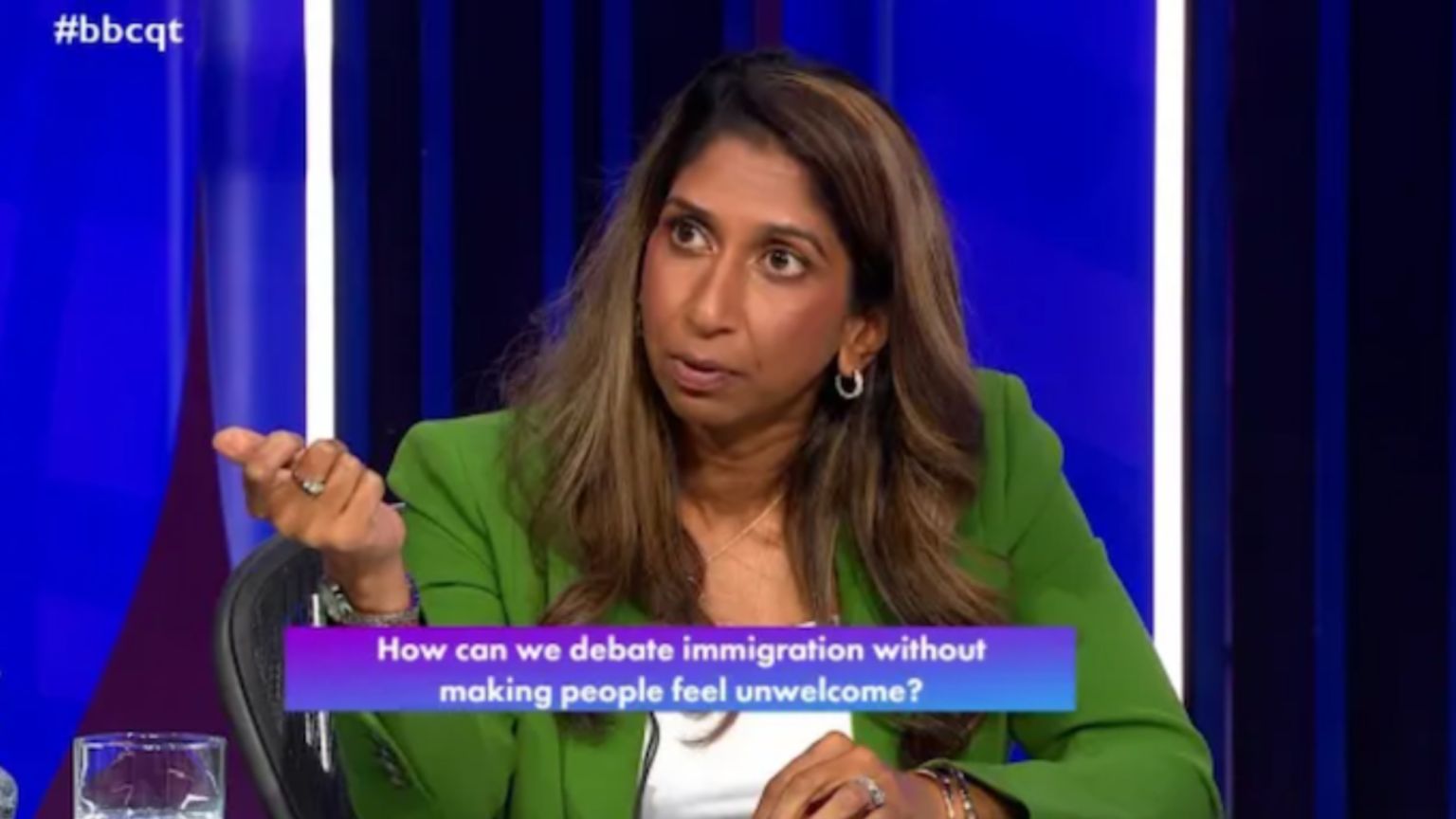
The debate over English identity is showing no signs of dying down. Former Tory home secretary and Reform UK education spokeswoman Suella Braverman clashed with the New Statesman’s Oli Dugmore on Question Time over the matter last week, and their exchange has since done the rounds on social media.
Braverman, who was born in England but is of Asian origin, says that she is not English, but happily identifies as British. Dugmore countered that this was a ‘racist point of view’ for implying that ‘you can only be English if you are white’. Whether Englishness is an ethnicity or a national identity has been a hot topic online for months.
How did we get here? There is no doubt that England has experienced massive forms of cultural and demographic change in recent times. When I was growing up in the 1990s and 2000s, the question of who was English was not at the forefront of British political discourse. Immigration levels were relatively low and while society was diversifying, it was doing so slowly. At that point, there was not a single city or town where the white British ethnic group was in the minority.
After postwar Commonwealth migration came the mass inflows of migration from the European Union, particularly as it expanded eastwards. As a result, parts of the UK experienced considerable and sudden change. This played an integral part in the Leave result that was delivered in the June 2016 referendum on EU membership. England provided the highest Brexit vote out of the four home nations – 53.4 per cent.
Native anxieties over ethnic identity have intensified since the January 2021 liberalisation of visa rules under then prime minister Boris Johnson. The so-called Boriswave led to millions of people from the likes of India, Nigeria and Pakistan to enter the UK in a short period – with notable numbers arriving in provincial towns that had limited previous experience of migration.
The demographic change experienced by England over the course of the late-20th and early-21st century has led us to a debate on Englishness that arouses passions across the board. There are some ethnic-minority people who believe that they are being deprived of their English identity – that they are being excluded from their own national identity on the grounds of not being white and originating from other parts of the world. Conversely, there are some who belong to native established communities who believe their ethnic existence – and the cultural heritage, traditions and customs associated with it – is being denied if everyone can be considered English in our diverse society.
Coming from an academic background and specialising in social cohesion, I believe that a denial of a titular ethnicity in England is not only unhelpful for community relations – it is also absurd and historically illiterate. The English date back to the Germanic tribes, such as Angles, Saxons, Jutes and Frisians, who settled in southern Britain and fused with the somewhat ‘Romanised’ Celtic Britons who had inhabited England since at least the Iron Age. These ethnic groups came collectively to be known as the Anglo-Saxons. The unification of their kingdoms under Athelstan created the sovereign state of England in 927 AD. The Anglo-Saxons forged England’s cultural, linguistic, institutional and economic development. England’s history as an established nation did not start in 1945. Nor is it a land of immigrants the way that the United States is. Anyone peddling such divisive myths is not doing the country any favours.
This is not to say that Englishness should be viewed in purely racial and ancestral terms. There can be room for a civic and cultural English identity that people from different walks of life can integrate into. This should be centred on English traditions, history, ritual and custom – on personal liberty, politeness and a strong sense of fair play. We should celebrate integration success stories – where ethnic-minority people feel a deep sense of pride in being culturally attached to England and are steeped in the nation’s traditional civic life. But all of this should sit under an overarching recognition that there is an ethnic English majority. Surely, there must be one, because without it there would be no ethnic minorities?
Change can be unsettling and one’s sense of self being challenged can be distressing. But a greater sense of mutual understanding can go a long way. An English identity with a strong ethnic core, but which provides space for civic and cultural forms of kinship for all, could pave the way for the healthy sense of national belonging that many people in England crave.
#Denying #English #ethnicity #exists #social #cohesion