wellnessfitpro
Before the English university system entered its current tailspin of critical race theory and anti-colonial obsession, one of the first texts recommended to humanities students was the short pamphlet by George Orwell, ‘Politics and the English Language’. In it, Orwell warned against ‘long passages which are almost completely lacking in meaning’.
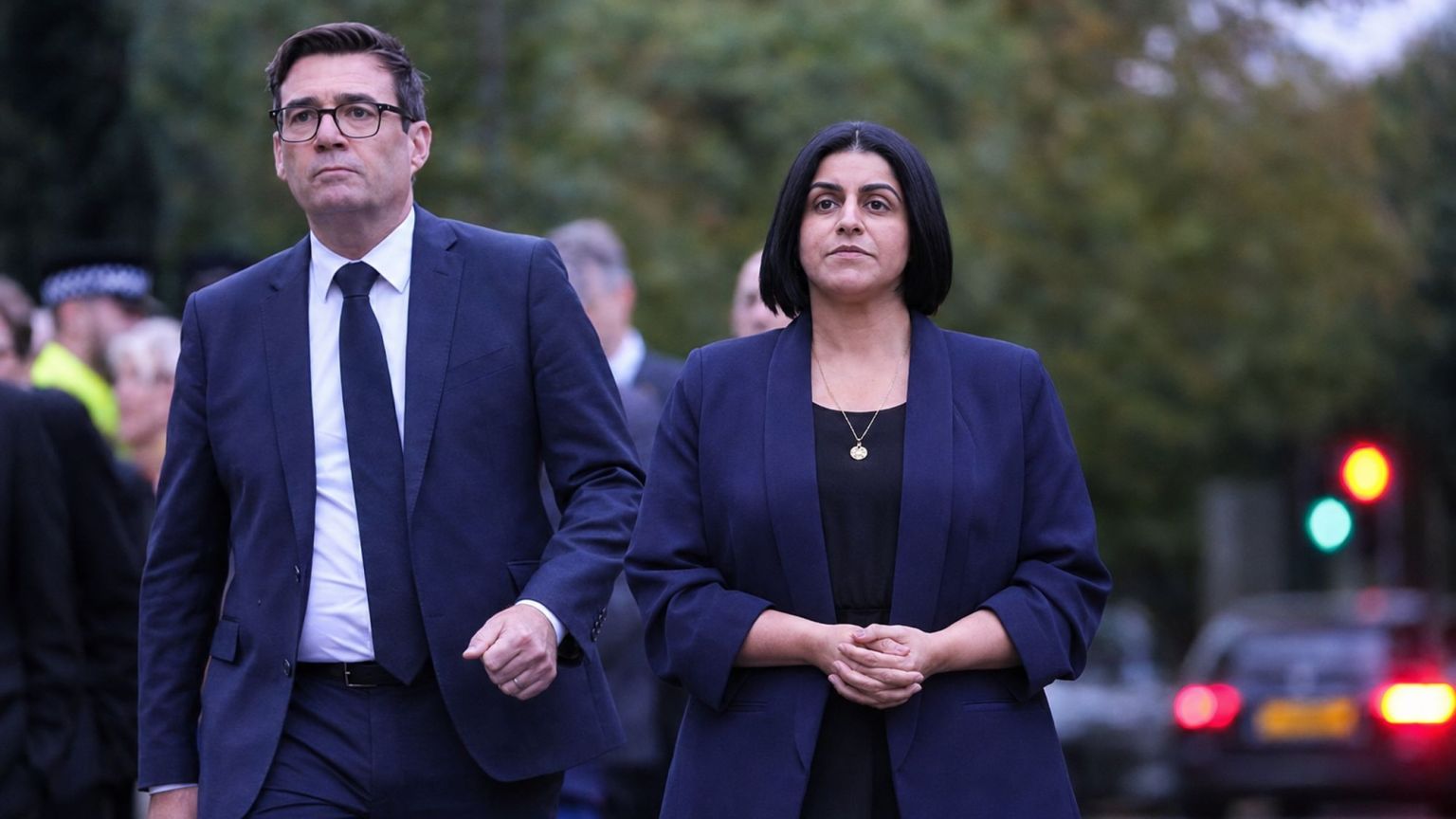
Yesterday in the House of Commons the home secretary, Shabana Mahmood, took 12 minutes to tell the public and MPs what she could have done in two: she is putting the country on a path towards financial and social ruin. Her proposed reforms to indefinite leave to remain (ILR), which would have required low-skilled migrants to wait 15 years rather than five before being eligible for ILR, have been gutted.
Instead, Mahmood has confirmed that most of those who arrived during the ‘Boriswave’ period from 2021 to 2024 can begin settling en masse in the coming months, on the existing five-year pathway, along with their dependents and family members. The Home Office’s central estimate suggests that, by 2030, 1.9million immigrants will claim ILR.
A significant number of these will be care workers, the beneficiaries of a visa fire-sale in which the British government under Boris Johnson reduced visa fees and scrapped the Immigration Health Surcharge. It also actively encouraged those without qualification to apply, and turned a blind eye to the fraudulent practices that characterised this particular type of visa.
There was no economic justification put forward by Mahmood on Monday. How could there be? The Home Office itself has admitted that the country will be stuck with a bill of at least £10 billion (although revised figures suggest this figure will be much higher) in the years ahead as a result of hundreds of thousands of care workers receiving settlement.
Nor was there a guarantee in Mahmood’s statement that this move is the only way to keep afloat the social care sector. Again, how could there be? ILR will give these quasi-citizens the right to leave their employment with care firms and go into any industry they want, or none at all, regardless of whether there are current job shortages. The one million British NEETs (not in education, employment or training) currently sitting on the scrapheap are set to face even greater competition for early-career employment.
No, the British people, who have consistently voted against mass migration, were told that they must share their overstretched welfare state, NHS and social housing supply with these recent arrivals because it would be ‘unfair’ and ‘un-British’ if they did not.
The painful irony here is that the policy itself is ‘un-British’. The consultation underpinning Mahmood’s u-turn, and which the government admits was key in determining the path down which we now march, had over 200,000 submissions. Just 18 per cent of these were made by holders of a British passport. Over four-fifths came from foreign nationals.
The message is perfectly clear. The British people can vote time and again for control of their borders, in their millions, but such democratic exercises must play second fiddle to the views of a few hundred thousand non-citizens who have completed an online form.
This is the very definition of ‘foreign interference’ in Britain – the same thing the Labour Party has spent the past few weeks warning about. The only difference, of course, is that Labour are the ‘good guys’.
Mahmood’s proposals are nothing short of a kick in the teeth. Along with the ILR backdown, they include offering illegal immigrants a path to permanent settlement, fast-tracked to a 10-year wait if they ‘work or study’. In September, the home secretary announced ‘safe routes’ for more Afghans and Palestinians to settle in the UK. The ‘community sponsorship programme’, also confirmed by Mahmood in September, will weaken our border further.
On top of this, prime minister Andy Burnham has opened the door for freedom of movement with the EU. It is clear that the Labour Party now unashamedly stands for open borders.
This is a surefire way to bring an end to the so-called Burnham bounce. Polls will undoubtedly begin to tighten now the country knows what he actually stands for. The risk, however, is how much damage he and his ministers can inflict, and whether opposition parties have the mettle to take the requisite steps in reversing it. These steps must include a commitment to reverse the mass granting of permanent settlement that is now underway.
The UK’s immigration system has been eroded through years of abuse, of which Shabana Mahmood’s u-turn is only the latest example. It requires an urgent remedy.
Rob Bates is the research director at the Centre for Migration Control.
#Burnhamwave #bankrupt