wellnessfitpro
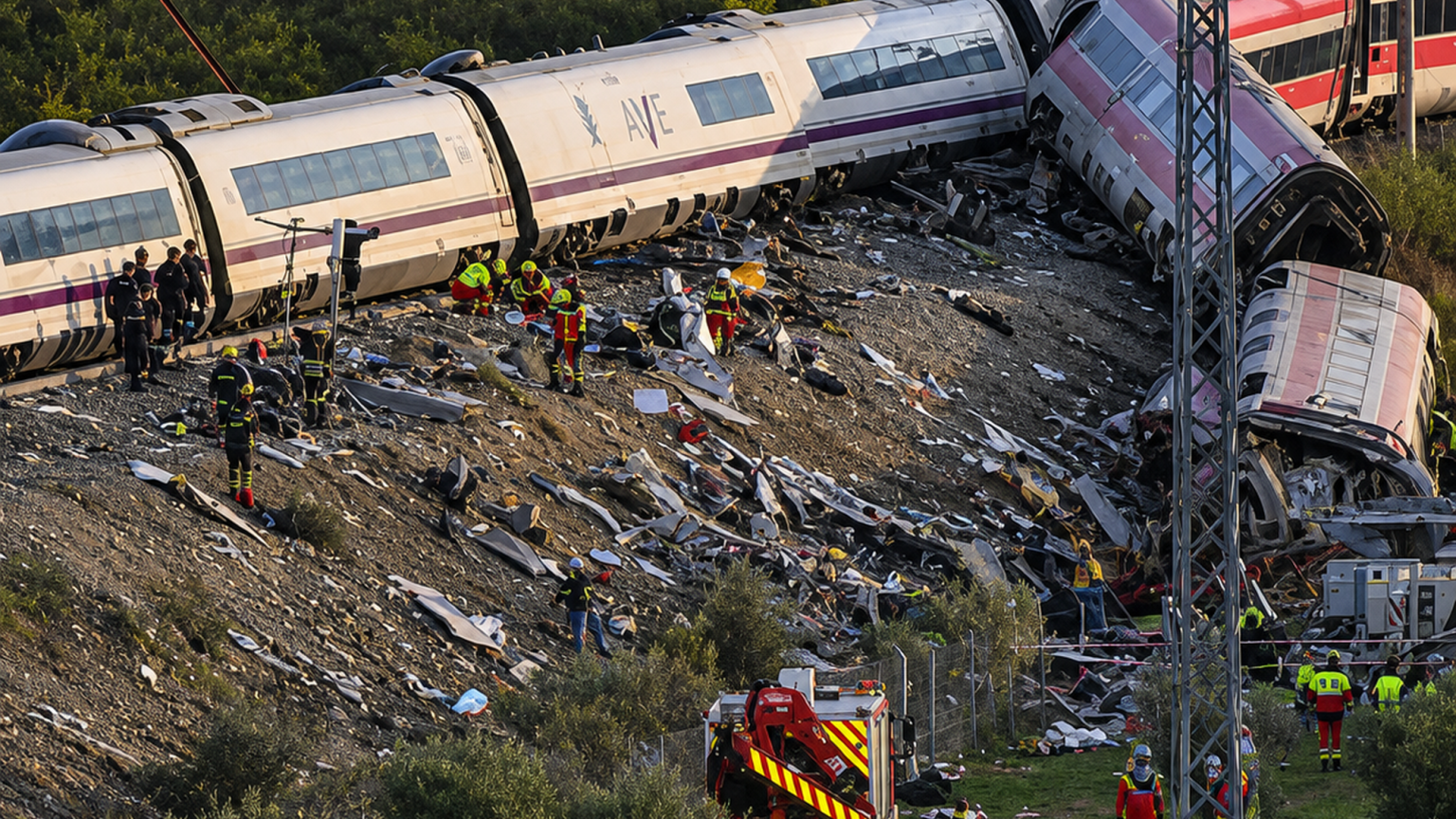
The catastrophic rear-end collision is currently believed to have been triggered by a massive blackout in the signalling system, which left the Iryo train stranded on the tracks. However, the control centre, instead of issuing an automated ‘proceed with caution’ safety rule, allowed the trailing Renfe train to proceed at normal speed, causing it to blindly strike the rear of the stationary train.
In response, Pedro Sánchez’s government has hit a new low in manipulative tactics. Following the crash, key pieces of information were leaked by the government to pro-Sánchez media outlets, such as Cadena SER. The leaks included control centre recordings between Adif – Spain’s state-owned railway company – and a deceased train driver, along with details pointing to a mistake by a traffic operator. The sole focus, it seemed, was to attribute the accident to human error, and move the attention away from the nepotism and corruption that is rife in Spain’s transport system.
But this won’t wash. British railway expert and writer Gareth Dennis argues that Spain ‘must commission an independent international audit’. He points to systemic negligence as well as a possible human error, although he insists that ‘human error is always a symptom, never a cause’. Dennis emphasises that ‘anyone trying to pin this appalling disaster on a frontline member of staff is doing so out of personal interest and should be treated with maximum contempt. It’s bad politics as well as bad engineering.’
There can be no doubt that, at least to some extent, the accident is the result of Spain’s rotten politics. Let’s not forget that the Spanish former minister of transport, José Luis Ábalos, is in prison for corruption. One of his closest advisers and a key ally of Sánchez, Koldo García, is in pre-trial detention, also for alleged corruption. The former director of Adif, Isabel Pardo de Vera, has been implicated in García’s case for ‘irregular awarding of contracts’. Óscar Puente, who resigned as transport minister on Tuesday, appeared to spend most his time in office on X, and has admitted to using his team and government resources to monitor who criticises or insults him online.
Puente came under significant fire, and for good reason. He politicised Adif’s leadership, placing members of the ruling Spanish Socialist Workers’ Party (PSOE) members in key positions. He removed its previous technically oriented leadership at the detriment of railway governance. For some reason, the person in charge of railway security is a journalist aligned with the PSOE, with no relevant qualifications.
Amid all this, we also know that Sánchez has committed approximately €1.7 billion in public financing for railway and metro projects in Egypt, Morocco and Uzbekistan, via a government-backed export financing fund. So, instead of investing in Spanish infrastructure, he’s posing as the poster child of globalism.
As information keeps coming, one thing is clear: Spain’s so-called progressives are doing everything to divert attention from the real issues, including blaming ‘liberalisation’ in the train system. But Adif and Renfe are state owned. What’s more, other countries such as France and Italy have the same model, with no fatal accidents.
What happened in Toledo was a tragedy. For the Spanish people, it was also one tragedy too many. There is something rotten in the state of Spain, and many people are beginning to wonder if it goes right to the top.
Maria Reglero is a consultant on women’s rights based in Barcelona.
#Spains #corrupt #political #class #blame #Toledo #train #tragedy