wellnessfitpro
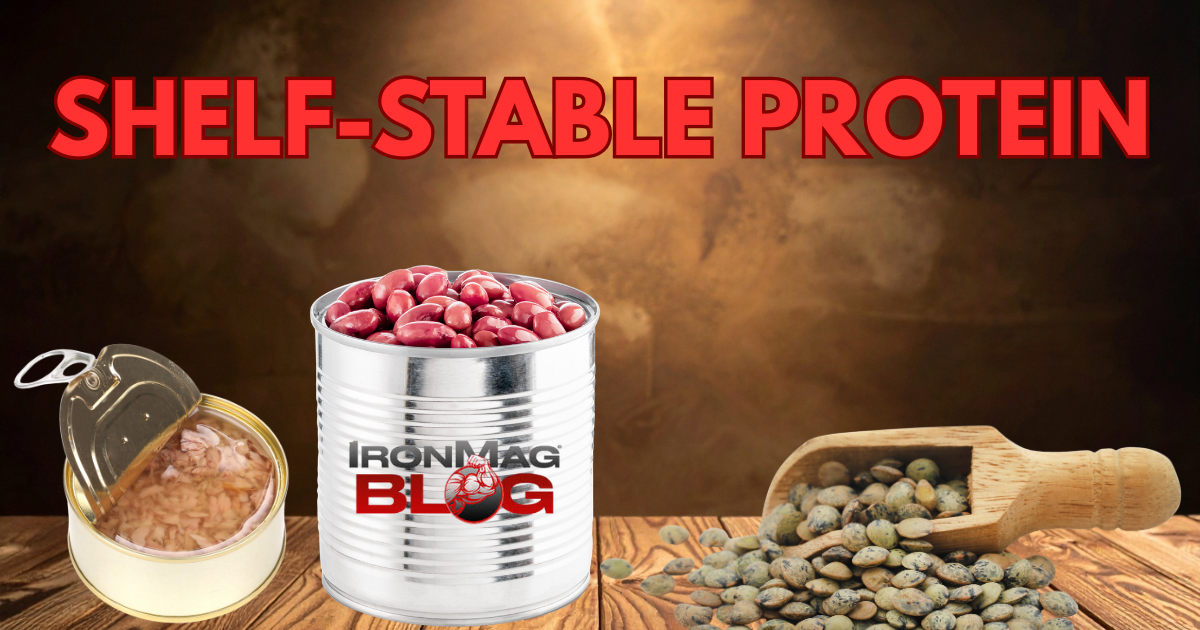
When I say shelf-stable proteins, what comes to mind? Maybe SPAM?
I know, you probably just threw up in your mouth. But hear me out on this one. There are some shelf-stable proteins that RDs are recommending we all consider, since every cell in your body depends on protein.
But as you know, fresh sources like meat, fish, and dairy don’t last very long before they go bad, and you have to throw them away.
That’s why it helps to keep a few reliable, shelf-stable proteins on hand. Some of my clients have found some of these options as quite useful on busy weeks when grocery runs don’t happen as planned.
Nutrition experts often recommend a mix of these long-lasting choices, including plant-based proteins and high-protein snacks. They can sit in your pantry for months and still be ready when you need a quick, balanced meal.
In this article, I want to unpack some of the healthiest shelf-stable proteins that RDs are recommending we all consider having in our pantry.
Disclaimer: This article is for informational purposes only and should not be used to treat or diagnose any condition. It is recommended that you speak with your doctor before starting any exercise program, making changes to your nutrition plan, or adding any new dietary supplements into your current regimen.
Healthiest Shelf-Stable Proteins
Below are some of the best shelf-stable proteins you should consider having in your kitchen.
1. Canned fish
When people think of canned fish, they usually think of tuna. But there’s a lot more on the shelf. A small 3 oz can of tuna gives you around 16 g of protein, while salmon and sardines offer about 21 g. Mackerel sits right up there too, with roughly 20 g per serving.
Health guidelines recommend eating fish at least twice a week, mainly because omega-3 fatty acids support heart health. They can help improve cholesterol levels and may even lower blood pressure. The problem is, most people don’t get enough.
Canned fish makes it easier. You don’t need to cook or prep, just open and use. It’s one of the simplest ways to add protein to a meal without overthinking it.
It’s also more affordable than fresh fish. You can grab a basic salad and add canned fish yourself instead of paying extra for pre-added protein. It saves both time and money.
2. Canned beans
These shelf-stable, plant-based protein sources deserve a spot in every kitchen. Beans (in particular) do a lot for something so simple. One cup provides about 14.5 g of protein and nearly 17 g of fiber, which is about half of your daily fiber needs. They’re naturally low in fat, and some research suggests they may even support better weight management.
If possible, choosing organic beans can help reduce exposure to things like heavy metals, pesticide residues, and synthetic fertilizers.
They’re also incredibly easy to use. Just open a can and add them to whatever you’re making. They work well in quick meals like bean salsas, chickpea wraps, or a simple bowl of chili.
3. Nutritional yeast
Nutritional yeast, often called “nooch,” is a deactivated yeast with a savory, slightly nutty flavor. People commonly use it as a vegan seasoning or a dairy-free alternative to cheese.
The nutrition of it is actually quite surprising and shocked me. Just 2 tablespoons provide around 5 g of protein, which is similar to what you’d get from an egg. Many fortified versions also provide more than your daily requirement of key B vitamins, such as B12, thiamine, and B6.
Since the body doesn’t store these vitamins well, regular intake matters. It also contains about 2 g of fiber, including types that support heart health and help regulate blood sugar.
Nooch comes in a few forms. Flakes work well as a topping, powder blends easily into sauces, and granules add depth to soups and stews. It’s typically gluten-free and dairy-free, which makes it a flexible option for many diets.
4. Protein powder
This one shouldn’t surprise you, and it’s one of my favorites when I’m in a pinch and need a good amount of protein in a hurry.
If you enjoy smoothies, protein powder is probably already part of your routine. It’s one of the easiest ways to increase protein intake, with most options providing around 20-30 g per serving.
You can mix it into smoothies, stir it into overnight oats, or add it to chia pudding. Some people even use it in baked goods to make them more filling.
Collagen-based protein powders have also become more popular. Collagen supports skin, joints, bones, and connective tissue, and the peptide form, which is partially broken down, may be easier for the body to absorb.
Like regular protein powder, collagen peptides can be added to smoothies, coffee, or baked goods. Most protein powders also have a long shelf life, often staying fresh for several months (even over a year) when stored properly.
5. Dried lentils
Lentils are one of the most affordable and practical protein sources you can keep in your pantry. A 1 lb bag can yield around four to five cups once cooked, and just half a cup provides about 9 g of protein, which is close to what you’d get from 3 oz of tofu.
They’re also easier to work with than many other dried legumes. You don’t need to soak them for hours. A quick rinse, then simmering in water or stock, does the job. Most whole lentils cook in 15 to 20 minutes, while split red lentils are ready in under 10.
Beyond protein, lentils offer antioxidants such as vitamin E, zinc, and selenium, which support overall health.
Research also links regular consumption to a lower risk of conditions like diabetes, obesity, and heart disease.
Author Bio:
Matt Weik, BS, CSCS, CPT, CSN, is a globally recognized health, fitness, and supplement industry expert with over 25 years of hands-on experience. He is the founder of Weik Fitness and one of the most prolific writers in the space, known for translating complex science into clear, actionable content. Matt holds a Bachelor of Science in Kinesiology from Penn State University and multiple industry certifications, giving his work both academic credibility and real-world authority. His writing has been featured on thousands of websites and in 100+ magazines worldwide, including FLEX, Muscular Development, Iron Man, and Muscle & Fitness UK, and he has authored 30+ published books. Trusted by leading supplement brands and media outlets alike, Matt is widely regarded as one of the most knowledgeable and reliable voices in health, fitness, and sports nutrition.
#Healthiest #ShelfStable #Proteins #RDs #IronMag #Bodybuilding #Fitness #Blog