wellnessfitpro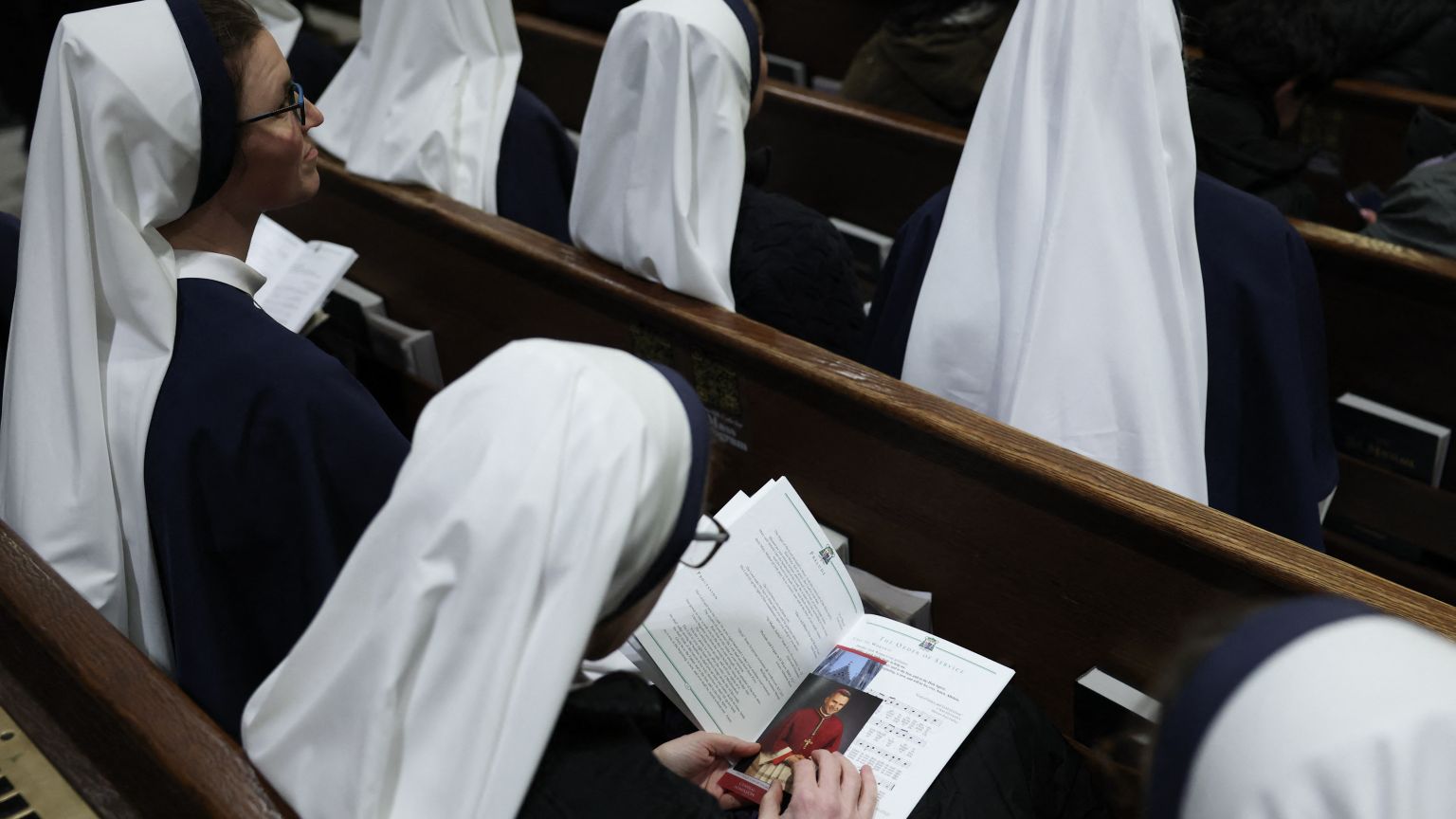
For individuals and groups who support assisted suicide, their contention has always been that, as a matter of personal autonomy, people have the right to decide when their physical or existential suffering has become unbearable, and others should be available to help them take their lives. Many have availed themselves of this compelling 21st-century argument in disparate countries and jurisdictions. Whether the dying ultimately ‘benefit’ from it is a matter of debate.
That is no longer the crux of the issue. With willing physicians and a compliant government involved, the moral bonds of society are inevitably beginning to fray. A lawsuit developing in New York state illustrates one way those threads unravel.
The case centres on New York’s Catholic healthcare providers, consisting of several congregations of nuns, including the Dominican Sisters of Hawthorne, the Carmelite Sisters for the Aged and Infirm, and the Little Sisters of the Poor. These nuns, traditionally merciful caregivers for the terminally ill, have filed suit in federal court, joined by several Catholic-run hospitals, to challenge New York’s recently passed Medical Aid in Dying Act (MAID), due to take effect in early August.
The issue is clear. The thrust of the law is that terminally ill patients with a prognosis of six months or less can request drugs to end their lives. Invoking personal autonomy, New York governor Kathy Hochul said, ‘New Yorkers deserve the choice to endure less suffering, not by shortening their lives, but by shortening their deaths’.
The rub is that the law also mandates that, in end-of-life discussions between patients and caregivers, doctors and nurses must now inform terminally ill patients of all options. This will soon include the details of assisted dying. Prescribing or administering lethal drugs is not a requirement, but institutions and caregivers are mandated to inform patients of their ‘right’ to kill themselves, and assist them in meeting requirements for obtaining lethal drugs. According to the law, failure to inform could result in loss of institutions’ operating licenses, as well as significant civil fines and criminal penalties – including prison for caregivers involved.
This government mandate is in direct contravention of the teachings of the Catholic Church – namely, that human life is sacred and must not be ended by man. It is also in opposition to the mission of these nuns, which is to provide care to the dying. Mother Marie Edward, the superior of the Dominican Sisters of Hawthorne, said it is her duty to ‘support the person to the natural end of their life’.
‘Everyone is made in the image and likeness of God, and there is a dignity about the human person. We are only the guardians of this body. We do not take the charge of whether or not we live or we die. That’s up to God.’
On its face, the notification section of the Medical Aid in Dying Act appears to be a violation of the First Amendment, because it is a form of censorship. Most people understand censorship to be government suppression of speech, but it also means that the government cannot compel speech, which certainly looks like the case here. The court should rule in the nuns’ favour on that basis alone.
Regardless of how this particular issue is decided, the point is that it is one more egregious instance of how the assisted-suicide movement can corrupt institutions – in this case, religious practice and the Catholic Church. Those with the solipsistic belief that autonomy is the highest virtue and trumps every other value are unlikely to be moved by this. But it is demonstrably untrue that assisted suicide is no more than an issue between a patient and his or her caregiver.
Once assisted suicide is entrusted to the medical profession and the state, it becomes everybody’s concern. No government has ever developed effective, enforceable guardrails to prevent abuse, despite repeated claims by assisted suicide advocates. In fact, the very nature of autonomy essentially argues against guardrails: if it is my autonomous right as a terminally ill person to have others end my life, how can anyone take away that right if I am merely depressed or suffer from a chronic but non-terminal illness? Either I have this right – or I don’t.
The Western world has become a slippery slope for assisted suicide. It is now openly discussed for – or has actually occurred in – patients with disabilities, those with severe depression, those whose long-term care is deemed too expensive and, most odiously, children. The assisted-suicide option is already threatening better care for disabled and terminally ill people – the type of care the New York nuns currently provide.
As various forms of assisted suicide gain traction throughout Western Europe and North America, its champions hold it up as a sign of progressive enlightenment. But experience suggests it is an indicator of cultural decay. Perhaps there is a way for those who insist on their autonomy to proceed with suicide without actively involving the government. But when government assumes a role with MAID, it becomes a corrupting influence on healthcare and the medical profession.
It would be a far better scenario if New York, instead of engaging in a legal fight with the church over assisted suicide, studied how the nuns take such good care of terminal patients.
Cory Franklin’s The Covid Diaries 2020-2024: Anatomy of a Contagion As It Happened is now available on Amazon in Kindle and book form.
#Yorks #nuns #compelled #advertise #assisted #suicide