wellnessfitpro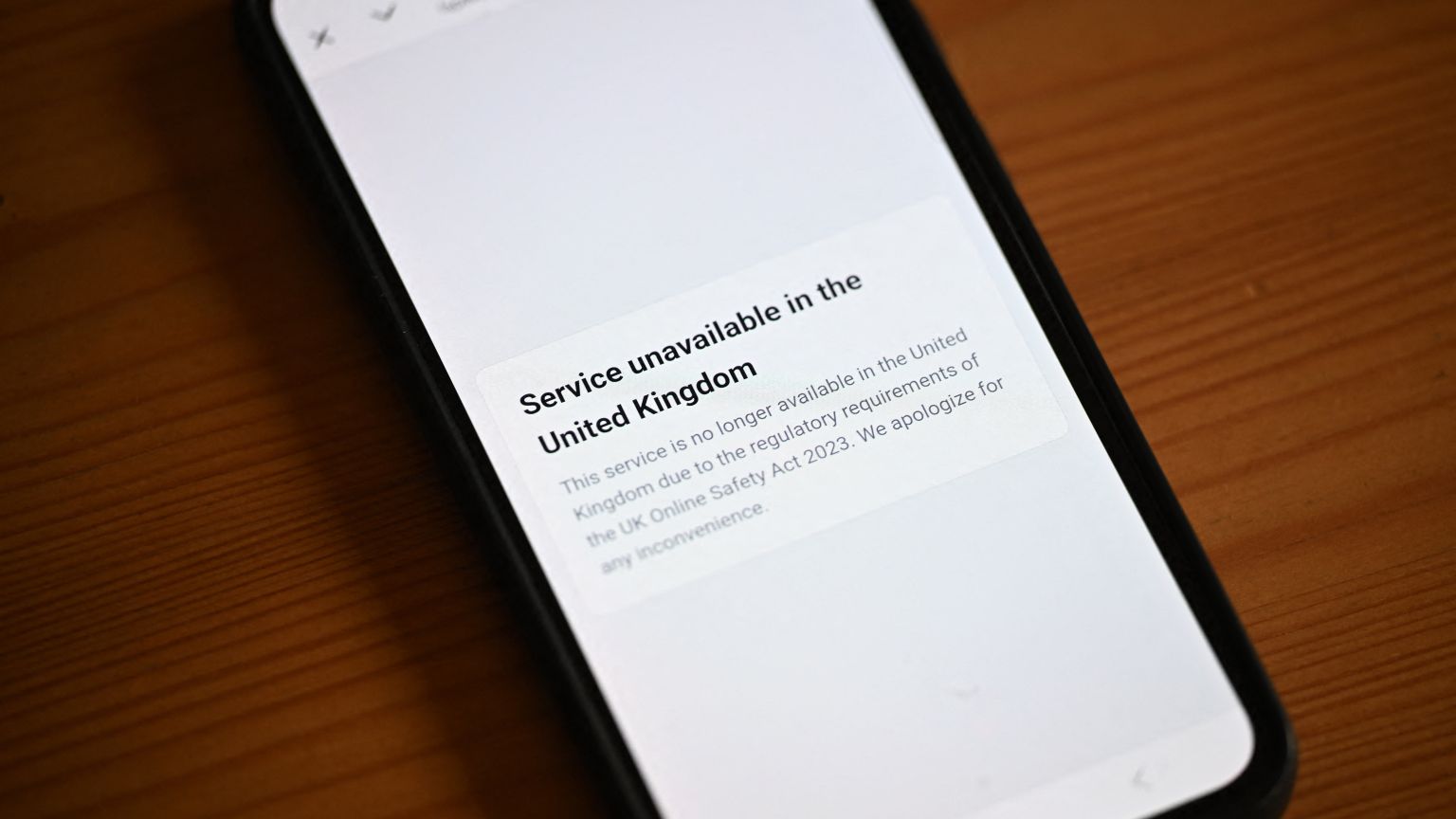
Ofcom has been making a right fool of itself since the Online Safety Act came into force. Over the past two years, it has been chasing US websites, formally instructing them to obey British law, and to fill in reams of compliance paperwork while they’re at it.
The results have been predictable. Many of the US operations, supported by the excellent American free-speech lawyer Preston Byrne, have politely declined to take any notice of orders barked at them by bureaucrats from a small island 3,000 miles away. Ofcom, as ever tin-eared, has doubled down in response – making blood-curdling threats and imposing ever-more ludicrous fines on the sites involved.
Last week, however, even Ofcom admitted defeat in one such case. This involved a forum, entirely US-based, providing discussion of suicide and, it must be added, details of how to commit it (tragically, the website was used by a number of people in Britain). Ofcom ordered it to fall into line with the UK Online Safety Act. When told to go fish, Ofcom then fined the website nearly £1million. We won’t name the site, which in fact has voluntarily geoblocked UK visitors, but anyone in the UK with a moderately decent VPN can find and reach it with ease.
Ofcom’s climbdown is understandable. However sad and nasty the forum is, a British regulator doesn’t have a cat in hell’s chance of closing it down, since it is protected by the First Amendment in the US. Nor will it be able to extract any money from it, because US courts don’t enforce foreign fines against US companies that engage in what are perfectly legal activities there.
Did Ofcom grow up and realise there were limits to what it could do? Unfortunately not. Ofcom is now going back to parliament for yet more powers to throw its weight around internationally. Currently, Ofcom can ask a court in London to impose ‘business disruption’ on a site – that is, order every UK internet service provider (ISP) to block it or risk swingeing penalties. But to use the power, it has to prove ongoing non-compliance. Non-payment of a fine is not enough to meet the threshold.
This is not good enough, says Ofcom. It wants, it seems, pre-emptive powers to block access to sites operating anywhere in the world, should they be deemed harmful to people in the UK.
This is authoritarian nonsense on any number of levels. For one thing, it moves noticeably towards a Great British Firewall, like that used in China. We should also worry that an unelected agency is spending its time digging around the internet looking for material it would like to stop us seeing. Admittedly, we are told that the issue here is material that’s harmful to children and sites such as suicide forums. But it is a racing certainty that any such powers, if given, will be invoked to go well beyond suicide forums.
Equally, it’s not clear whether Ofcom wants these powers to extend to blocking sites to users across the globe. A recent Ofcom update on a suicide site clearly suggests it sees a UK geoblock as insufficient. This really would bring us into cloud-cuckoo-land. No national regulator, whether it comes from the UK, China or Burkina Faso, has any business censoring the global internet.
The trouble is that the new Burnham UK government may well be receptive to Ofcom’s demands. Pressed hard by pro-censorship and children’s protection pressure groups at every stage, it may well buckle and grant these new powers – particularly as they involve no appreciable extra expenditure.
It is nevertheless important that it should not do so. Any new powers would do nothing about foreign sites Ofcom disapproves of: whether Ofcom likes it or not, the net is worldwide, and sovereign countries are allowed to have their own rules. Ofcom’s new powers would also undoubtedly antagonise the US, which is certainly not in Britain’s interest. It would drive more and more surfers to mask their country of origin using a VPN (sometimes a dangerous free VPN that risks identity theft and worse). And it would make Ofcom and its chief executive, Melanie Dawes, even more of an international laughing stock than they are now.
The UK government needs to pick its battles carefully. This is one it can’t win, and shouldn’t even try to.
Andrew Tettenborn is a professor of commercial law and a former Cambridge admissions officer.
#Ofcoms #quest #censor #world