wellnessfitpro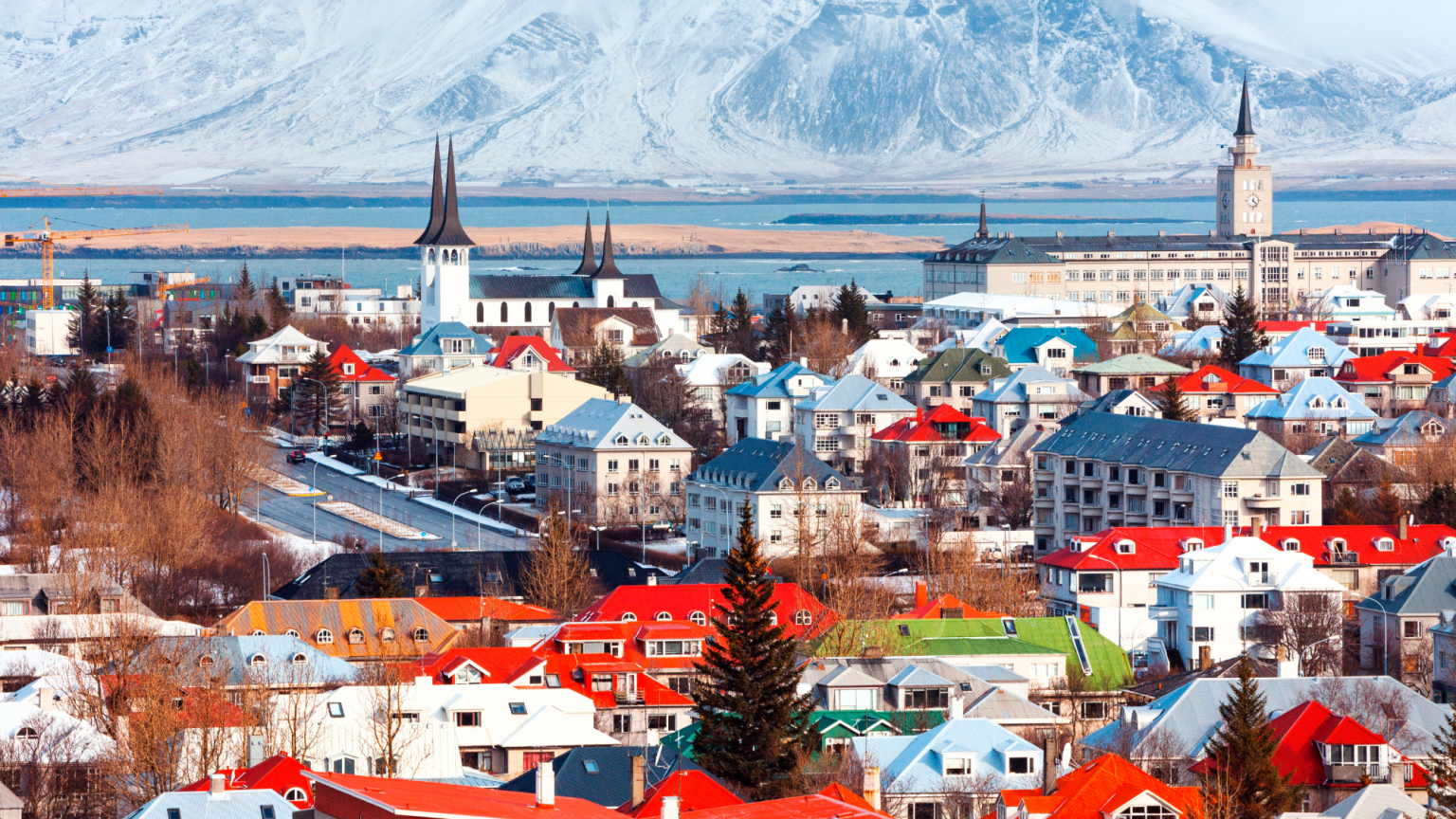
In the wake of the Brexit vote in 2016, it soon became received wisdom across the West that the UK’s exit from the European Union was a unique event. Other Europeans, we have repeatedly been told, now finally understand the value of EU membership. Non-members and those on the fringes of Europe would surely queue up to join to avoid the UK’s ‘mistake’. After all, the ‘future’, it is often said, lies in the EU.
Iceland’s referendum on EU accession on Saturday has now exploded that narrative. Fifty-three per cent of Icelanders voted not only to remain outside of the EU, but also against even holding talks on EU membership.
The ‘Nei’ vote is a major setback for Iceland’s centre-left government. Although Iceland is already a member of the European Economic Area and has access to the EU Single Market, obtaining full EU membership was central to the government’s agenda. More significantly, it is a reasoned rejection of Brussels, in defiance of EU interference and elite fear-mongering.
EU supporters have, predictably, tried to play down the significance of the referendum defeat. Even before the results had come in, Iceland’s foreign minister said she feared a ‘Brexit moment’, blaming AI, foreign interference and ‘misinformation from the Nigel Farage playbook’. The pro-EU Politico has since accused the No side of fear-mongering about the loss of fishing rights. ‘It’s the fish, stupid’, quipped one article, as if voters had been duped by simplistic, nativist talking points rather than rational concerns for their nation’s future.
For one thing, there is nothing ‘stupid’ about fearing for Iceland’s fisheries under the EU. After all, fishing is no small fry for the Nordic island nation, making up around 15 per cent of Iceland’s GDP and 40 per cent of its exports. Assurances from the Icelandic government and EU officials that Iceland would receive certain carve-outs from EU fishing quotas clearly cut no ice with voters. And why would they have? Despite Brexit, the EU will retain control over the UK’s fishing waters for at least the next 11 years. Plans for an EU-UK defence pact have similarly been held up thanks to disputes over fish. Are Iceland’s vast fisheries really likely to be exempt from EU meddling?
As was the case with Brexit, Iceland’s No vote had come as a surprise to European elites. Polls predicted a narrow win for Yes, with younger voters expected to be more pro-EU, carrying the referendum. In the end, a majority voted No on a huge turnout of 82 per cent – the largest since 1944, when Iceland voted to become a republic. Aside from two constituencies in the capital, Reykjavik, every part of the country voted against holding talks with the EU. Even younger voters, according to more recent polls, were leaning towards No by a ratio of 60 to 40.
And it’s not just the scale of the defeat that ought to spook Brussels. Throughout the referendum, the EU was pitched by the losing side as a bulwark against geopolitical instability – as a safe harbour against the storms of Russian aggression, Chinese competition and Donald Trump’s unpredictability. Indeed, Trump’s threats to annex nearby Greenland were one of the main spurs for the referendum. Not only has Trump himself frequently confused Iceland for Greenland, but the US ambassador, Billy Long, has also joked that Iceland should become America’s 52nd state, with himself as governor. Iceland’s pro-EU campaigners could hardly have asked for a more convenient bogeyman than The Donald, and yet even this failed to get the Yes vote over the line.
What the referendum has shown is that voters simply did not buy the argument that EU membership would be the best guarantor of Iceland’s security. This has implications well beyond this small island in the Arctic. Since the Ukraine war, Brussels has tried to present security amid an increasingly fractious world order as its new raison d’être. The EU’s talk of ‘strategic autonomy’ in a hostile world may excite the faithful, but it remains unpersuasive to voters.
Nor should it be underestimated what a prize Iceland would have been for the EU. Don’t be fooled by its small size and tiny population of just 400,000 people. Iceland is politically stable and extremely prosperous, having some of the highest wages in Europe. Its location in the increasingly contested Arctic also makes it extremely valuable. The West, Russia and China are all scrambling to get a foothold in Europe’s High North, in search of new shipping lanes, rare-earth minerals and sites for stationing intercontinental missiles. The EU always had far more to gain from Iceland’s membership than the other way around.
Iceland’s rejection of the EU confirms that membership is attractive mostly to poorer countries on Europe’s periphery. Current candidate countries include Montenegro and war-ravaged Ukraine, whereas some of Europe’s wealthiest nations – including Switzerland, Norway and microstates like Monaco and Liechtenstein – seem happy to remain semi-detached from the EU project. Despite the widespread delusion that the EU is ‘the future’, it actually hasn’t grown since Croatia joined in 2013 and, lest we forget, it actually shrank after the UK voted to leave. This is a project in decline, not in the ascendancy.
Iceland’s voters deserve credit for refusing to be bullied into selling out their sovereignty to Brussels – and for challenging the narrative that the EU is all that stands between civilisation and barbarism, or prosperity and penury. In an increasingly volatile world, it has never been more important for nations to retain their independence.
#Icelands #vote #humiliation