wellnessfitpro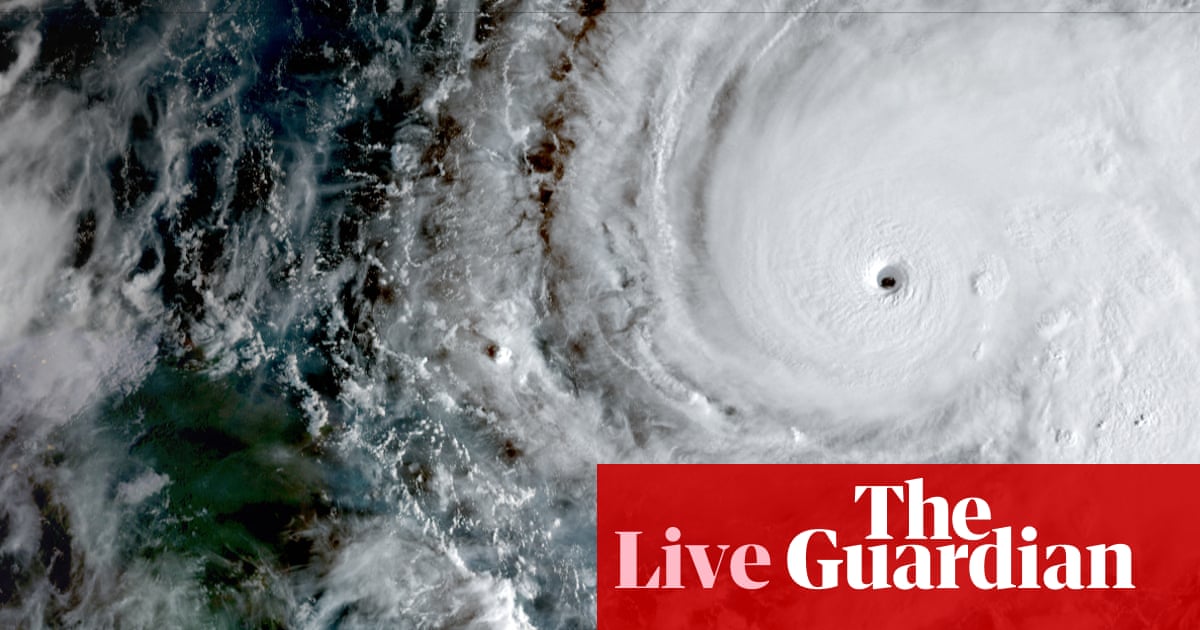
Summary of the day so far
Islanders are nervously awaiting landfall of category 5 Hurricane Melissa in Jamaica early on Tuesday, even though strong winds and heavy rains are already buffeting the south coast and inland areas.
Here’s what we’ve been following so far:
-
Officials say the hurricane, one of the strongest ever recorded in the Caribbean, has “the ingredients to be a catastrophic storm”. Liz Stephens, professor in climate risks and resilience at University of Reading, said: “Communities in Jamaica will need to prepare for potentially unimaginable impacts, and with climate change fuelling stronger storms with higher rainfall totals, this is a stark example for other countries as to what may be in store for them.”
-
At least six deaths have already been attributed to the storm. Three people were killed in Haiti and another in the Dominican Republic, where another person remains missing, according to the Associated Press. Two people died in Jamaica over the weekend as they cut trees ahead of the storm.
-
Emergency evacuations have been under way in vulnerable areas of Jamaica for many hours, even though officials warn no area of the island will be immune to Melissa’s 157mph+ winds, combined with its potentially deadly storm surge.
-
Andrew Holness, the prime minster of Jamaica, told an emergency briefing in Kingston on Monday, that residents were turning up at some of his country’s 881 hurricane shelters only to find them locked. “We have to strengthen this part of our preparedness, of getting the shelter managers to not wait until someone is coming. Once we activate the shelter, it should be open and ready for persons to come in, even if no one comes,” he said.
-
Jamaica’s two international airports have been closed since Sunday. Desmond McKenzie, the minister of local government, warned: “Many communities will not survive the flooding. Kingston is extremely low. No community in Kingston is immune.”
-
After moving north through Jamaica on Tuesday, Melissa will set its sights on Cuba on Tuesday night, and then the south-eastern Bahamas on Wednesday. The National Hurricane Center in Miami on Monday issued a hurricane warning for most of eastern Cuba, including the provinces of Granma, Santiago de Cuba, Guantánamo and Holguin; and a hurricane watch is in place for the Turks and Caicos islands and south-eastern Bahamas.
Key events
Bahamas prime minister Philip Davis ordered evacuations for people in southern and eastern parts of the archipelago, while much of eastern Cuba battened down ahead of Hurricane Melissa’s expected landfall, Reuters reports.
Cuban authorities said they had evacuated upwards of 500,000 people living in coastal and mountainous areas vulnerable to heavy winds and flooding, and canceled schools and transport across eastern Cuba.
More than 250,000 people were brought to shelters around Santiago de Cuba, the island’s second-largest city, which lies squarely in the crosshairs of the hurricane’s predicted path.
On the storm’s current forecast track, Melissa will be crossing eastern Cuba on Tuesday night, and traversing the south-eastern Bahamas about 24 hours later before heading north east into the open waters of the Atlantic.
Haiti and the Dominican Republic will be spared a direct hit, but the island of Hispaniola, which the two countries share, will be affected by high winds, storm surge and torrential rain, sparking flooding fears. On Monday afternoon the island’s west coast was under a tropical storm warning.
Residents in Jamaica have been telling reporters for the Associated Press they have no fear for the approaching storm, and were defying a mandatory evacuation order:
‘I hear what they say, but I am not leaving,’ Noel Francis, a 64-year-old fisherman who lives on the beach in the southern town of Old Harbor Bay, where he was born and grew up. ‘I can manage myself.’
His neighbor, Bruce Dawkins, said he also had no plans to leave his home.
‘I am not going anywhere,’ Dawkins said, wearing a raincoat and holding a beer in his hand. The fisherman said he had already secured his vessel and planned to ride out the storm with his friend.
Several towns along Jamaica’s southern coast already reported power outages as winds picked up throughout the night.
‘I don’t think the storm will damage my house. My only concern is flooding, because we live near the sea,’ said Hyacinth White, 49, who said she had no plans to evacuate to a shelter.
Hurricane Melissa, which by Monday afternoon had maximum sustained winds of 175mph, is forecast to be the most powerful storm to hit Jamaica in 174 years. More than 50,000 customers in Jamaica were already without electricity, the AP reported, a day before the storm’s landfall.
Minister: Jamaica shelters ‘safe and secure’
One of the the Jamaican government’s biggest worries for Hurricane Melissa, apart from the devastation the monster storm will cause, is crime, particularly looting.
A number of residents of Kingston, and elsewhere on the island, have already said they are reluctant to head to hurricane shelters for fear of crime, and for their personal safety.
Desmond McKenzie, minister of local government and community development, said he was aware of the reports, and attempted to reassure citizens that the country’s 881 emergency shelters were secure, safe spaces, telling the Jamaica Observer:
Men and women are housed separately, except where whole families are being accommodated at the shelter. The shelters are clean and are provisioned with all necessary supplies to ensure that all hygienic and public health standards are maintained.
Additionally, the police will be patrolling the various spaces before and after the hurricane. I urge you not to be crippled by fear, or discouraged by rumours.
Prime minister Andrew Holness addressed looting fears at a press briefing on Monday:
I’m sufficiently satisfied that the security forces are properly deployed in such a way as to prevent any break in law and order.
Whenever there is any kind of disaster there will always be that element in our society who is not a part of the common good and has no concern for their neighbour. Stay inside, that’s the safest place to be and gives less work for the security forces, [to deal with] looting and other kinds of anti-social behavior.
Situations of uncertainty lead to panic, and it can lead people to deviant behavior.
Kingston webcams show lull before the storm
Live webcams in central Kingston show a wet, windy day on Monday afternoon as deadly Hurricane Melissa inches closer to a devastating landfall somewhere along Jamaica’s south coast early on Tuesday.
The images, streamed by See Jamaica Live, show only a handful of vehicles on usually busy streets, with very few pedestrians. Another camera showing the city’s famous Half Way Tree clock tower is here.
At an emergency briefing earlier on Monday, the country’s prime minister, Andrew Holness, urged residents to stay off the streets.
“We urge persons to stay inside,” he said.
“Stay within the precincts of your home. Don’t venture outside unnecessarily, because the winds can pick up at any time, the rains can come, you can be caught in a flash flood. Stay inside. That’s the safest place to be at the moment.”
AccuWeather: Hurricane Melissa a ‘dire situation unfolding in slow motion’
Hurricane experts say Melissa’s slow meander through the Caribbean will cause considerably more damage, and have farther reaching effects than faster-paced storms.
As of Monday lunchtime, the National Hurricane Center in Miami reported, Melissa was on a west-northwesterly track at only 3mph. It will eventually speed up as it turn north, then northeast, but the storm – currently with maximum sustained winds of 175mph – is not forecast to emerge from the south-eastern Bahamas and into the open Atlantic until Wednesday night.
“This is a dire situation unfolding in slow motion. A major hurricane slowly crawling toward an island with powerful winds, extreme rainfall, and damaging storm surge is a perilous situation for a place like Jamaica,” AccuWeather’s chief meteorologist Jonathan Porter said in a statement.
“Slow-moving major hurricanes often go down in history as some of the deadliest and most destructive storms on record. Tens of thousands of families are facing hours of extreme wind gusts above 100mph and days of relentless, torrential rainfall.
“A storm surge of 10 to 15ft in the hardest hit areas along the southern coast of Jamaica will risk lives and result in property destruction. Additionally, a storm surge of 6 to 10ft could damage or destroy critical infrastructure along the bays and shorelines near Kingston.”

Natricia Duncan
Further north in the Atlantic, the island of Bermuda lies in the center of Hurricane Melissa’s forecast path, with the storm expected to arrive in the early hours of Friday. Its premier, E David Burt, issued a message of “heartfelt support” on Monday to the people of Jamaica “during this time of uncertainty”:
Bermuda stands united with our Jamaican friends and neighbours, and we offer our steadfast support during this challenging time.
From our shared Caribbean heritage to the vibrant Jamaican community here in Bermuda, we are connected by family, friendship, and culture. The bond between our two countries is strong and runs deep.
I have reached out to Prime Minister [Andrew] Holness and expressed our thoughts and our concern and confirmed that the government of Bermuda stands ready to offer our assistance where possible.
Summary of the day so far
Islanders are nervously awaiting landfall of category 5 Hurricane Melissa in Jamaica early on Tuesday, even though strong winds and heavy rains are already buffeting the south coast and inland areas.
Here’s what we’ve been following so far:
-
Officials say the hurricane, one of the strongest ever recorded in the Caribbean, has “the ingredients to be a catastrophic storm”. Liz Stephens, professor in climate risks and resilience at University of Reading, said: “Communities in Jamaica will need to prepare for potentially unimaginable impacts, and with climate change fuelling stronger storms with higher rainfall totals, this is a stark example for other countries as to what may be in store for them.”
-
At least six deaths have already been attributed to the storm. Three people were killed in Haiti and another in the Dominican Republic, where another person remains missing, according to the Associated Press. Two people died in Jamaica over the weekend as they cut trees ahead of the storm.
-
Emergency evacuations have been under way in vulnerable areas of Jamaica for many hours, even though officials warn no area of the island will be immune to Melissa’s 157mph+ winds, combined with its potentially deadly storm surge.
-
Andrew Holness, the prime minster of Jamaica, told an emergency briefing in Kingston on Monday, that residents were turning up at some of his country’s 881 hurricane shelters only to find them locked. “We have to strengthen this part of our preparedness, of getting the shelter managers to not wait until someone is coming. Once we activate the shelter, it should be open and ready for persons to come in, even if no one comes,” he said.
-
Jamaica’s two international airports have been closed since Sunday. Desmond McKenzie, the minister of local government, warned: “Many communities will not survive the flooding. Kingston is extremely low. No community in Kingston is immune.”
-
After moving north through Jamaica on Tuesday, Melissa will set its sights on Cuba on Tuesday night, and then the south-eastern Bahamas on Wednesday. The National Hurricane Center in Miami on Monday issued a hurricane warning for most of eastern Cuba, including the provinces of Granma, Santiago de Cuba, Guantánamo and Holguin; and a hurricane watch is in place for the Turks and Caicos islands and south-eastern Bahamas.
Holness: residents finding some hurricane shelters locked
Richard Luscombe
Residents of Jamaica fleeing to shelters as Hurricane Melissa bears down on the island have been turning up to find themselves locked out, the country’s Prime Minister Andrew Holness has just told an emergency briefing in Kingston.
Holness said officials needed to make “greater effort” to protect the public during and after the category 5 storm, which is expected to make landfall on the south coast early on Tuesday. He said 881 shelters were expected to be operational, but that there were “areas of concern”:
I am monitoring reports that persons have turned up at the shelters… but, for example, they can’t find the person who should open the shelter with the key. They know it should happen, but they’re just not on spot.
We have to strengthen this part of our preparedness, of getting the shelter managers to not wait until someone is coming. Once we activate the shelter, it should be open and ready for persons to come in, even if no one comes.
Holness was speaking at the headquarters of Jamaica’s office of disaster preparedness and emergency management (Opdem). He said crews were scrambling to ensure sufficient food was available in the shelters:
The government is not telling you that everything is perfect. There is no plan that is perfect except the plan of God, and man is fallible, so errors will be made. But that is not an excuse.
In a time of disaster, we must take a zero fail approach to the systems that we are building. So in as much as I’m talking to the public, I’m also talking to the heads of the institutions that are gathered here. Make greater effort to ensure that there is zero fail in our operations.
Here is a graphic that shows the probability of hurricane-force winds across a five-day forecast:
Hanna Mcleod, a 23-year-old hotel receptionist in the Jamaican capital of Kingston, said she will have to work during the hurricane, but that her husband and brother will be at her house, where they boarded the windows and she left candles and flashlights scattered throughout.
“I just told them to keep the door closed,” she told the Associated Press. “I am definitely worried. This is actually the first time I’ll be experiencing this type of hurricane.”
Mcleod said she bought her favorite canned food, corned beef, but that other members of her family prefer mackerel, “so I got a lot of those.”
Natricia Duncan
On Sunday, Jamaica’s prime minister Andrew Holness said that the country has a sound strategy to ensure speedy recovery from the storm.
As he reiterated the serious nature of the threat and urged people to heed life-saving advice to seek shelter and evacuate the most threatened area, he asked the predominantly Christian nation to pray.
“Reach out to your neighbour, check on the elderly, check on persons with disabilities, and anyone who may need help. That is who we are, a people who live by the principle, each one, help one. While we must prepare for the worst, let us also pray for the best. In every adversity, we have found strength, not only in our resilience, but in the power of prayer.
“Wherever you are, I encourage you to gather your family and pray for protection, for calm, and for each other, trusting that God, who has seen Jamaica through every storm, will carry us safely through this one too.
“My Jamaican family, we will weather this storm, and when the sky is clear, we will come together to restore and build stronger, prouder, and more resilient than before. Keep safe everyone, may God bless you, protect your families, and keep safe our beloved Jamaica land we love,” he said.
Natricia Duncan
Thompson also blamed the rapid intensification of the hurricane to climate change.
He said: “Moving from a category one hurricane to a category 4 and possibly becoming a category 5 hurricane by the time we go through tonight. That is something that would not always happen and this is usually indicative of the kind of warm waters that we’re experiencing that we believe is somewhat related to climate change.
“We can’t attribute everything to climate change but many of the things that we are seeing with the blow up of the system and it occurring more frequently from year to year, I think is a good sign that something is changing with our climate and it’s quite likely because of some of the activities that we as humans are engaged in,” he said.
Here are some more photos from Jamaica as Hurricane Melissa approaches the island:
A person looks at the sea as Hurricane Melissa approaches, in Port Royal, Jamaica, October 27, 2025. Photograph: Octavio Jones/Reuters
Palm trees sway in the wind as Hurricane Melissa approaches, in Port Royal, Jamaica, October 27, 2025. Photograph: Octavio Jones/Reuters
Natricia Duncan
Principal director of the Meteorological Service of Jamaica, Evan Thompson has been warning that it is likely that no part of Jamaica will be spared from the effects of the monster hurricane, whose deadly combination of rapid intensification and snail-paced advancement is a recipe for a catastrophic, record-breaking natural disaster.
“If it continues as projected in terms of the turn toward the island we should therefore on Tuesday look for the hurricane force winds starting to impact southern coastal areas and then gradually spreading as the system moves closer to the coastline. Then we will have intense shower activity surrounding the eye – so mainly in the western part of the island and extending over central parish as well,” he said.
He expects the centre to be off the northern coastline on Wednesday and to start to move away but the rainfall should continue over much of the island, he said.
Thompson said that it is too soon to say that slow-moving, intense hurricanes is an emerging trend in the Caribbean.
“It happened with hurricane Dorian in 2019 and others where we had systems slow to a halt. “This one really has been moving so slowly for a long time but I don’t believe it’s a trend, (it’s) just how this situation has turned out.”
Dorian had reached record wind speed of 185 mph, causing billions of dollars worth of destruction in the Bahamas and claiming 78 lives, with at least 282 people who were never accounted for, according to the United Nations Office for the Coordination of Humanitarian Affairs.
Natricia Duncan
On Saturday the Guardian spoke with residents in Port Royal, a small fishing village in Kingston. Before a 1692 earthquake submerged most of it, it was one of the biggest cities in the Caribbean. Today, it is considered one of the most hurricane vulnerable communities and is on the compulsory evacuation list.
But residents said they were confident they were prepared to face the hurricane and did not want to move because they do not feel safe in shelters, where their belongings could be stolen and women were at risk.
The Guardian has also heard, but has not been able to confirm, that people have turned up to shelters that were supposed to be activated but found that they were closed.
“I think many of those residents need an assurance that there is going to be some kind of watch over their properties, their assets. They don’t want to leave and come back and can’t find it and I believe that’s one of the main things is the attachment they have.
“So if we can assure them that there will be systems in place to ensure they do not suffer that kind of consequence I think more would be encouraged to move,” principal director of the Meteorological Service of Jamaica, Evan Thompson told the Guardian.
Thompson has been warning that it is likely that no part of Jamaica will be spared from the effects of the monster hurricane, whose deadly combination of rapid intensification and snail-paced advancement is a recipe for a catastrophic, record-breaking natural disaster.
Here is an updated satellite image of the hurricane’s possible route:
Hurricane Melissa has ‘ingredients to be a catastrophic storm’, expert warns
Liz Stephens, professor in climate risks and resilience at University of Reading, said:
Having now intensified to Category 5, slow-moving Hurricane Melissa has all the ingredients to be a catastrophic storm, with devastating storm-surge, extreme winds and unusually high rainfall accumulations.
“Communities in Jamaica will need to prepare for potentially unimaginable impacts, and with climate change fuelling stronger storms with higher rainfall totals, this is a stark example for other countries as to what may be in store for them,” Stephens added.
As we mentioned in an earlier post, category 5 is the highest category on the Saffir-Simpson scale, which means sustained winds exceeding 157 mph (250 kph).
Hurricane Melissa would be the strongest hurricane in recorded history to directly hit Jamaica, according to Jonathan Porter, chief meteorologist at AccuWeather.
#Hurricane #Melissa #live #lifethreatening #category #storm #bring #175mph #winds #moves #Jamaica #Hurricanes