wellnessfitpro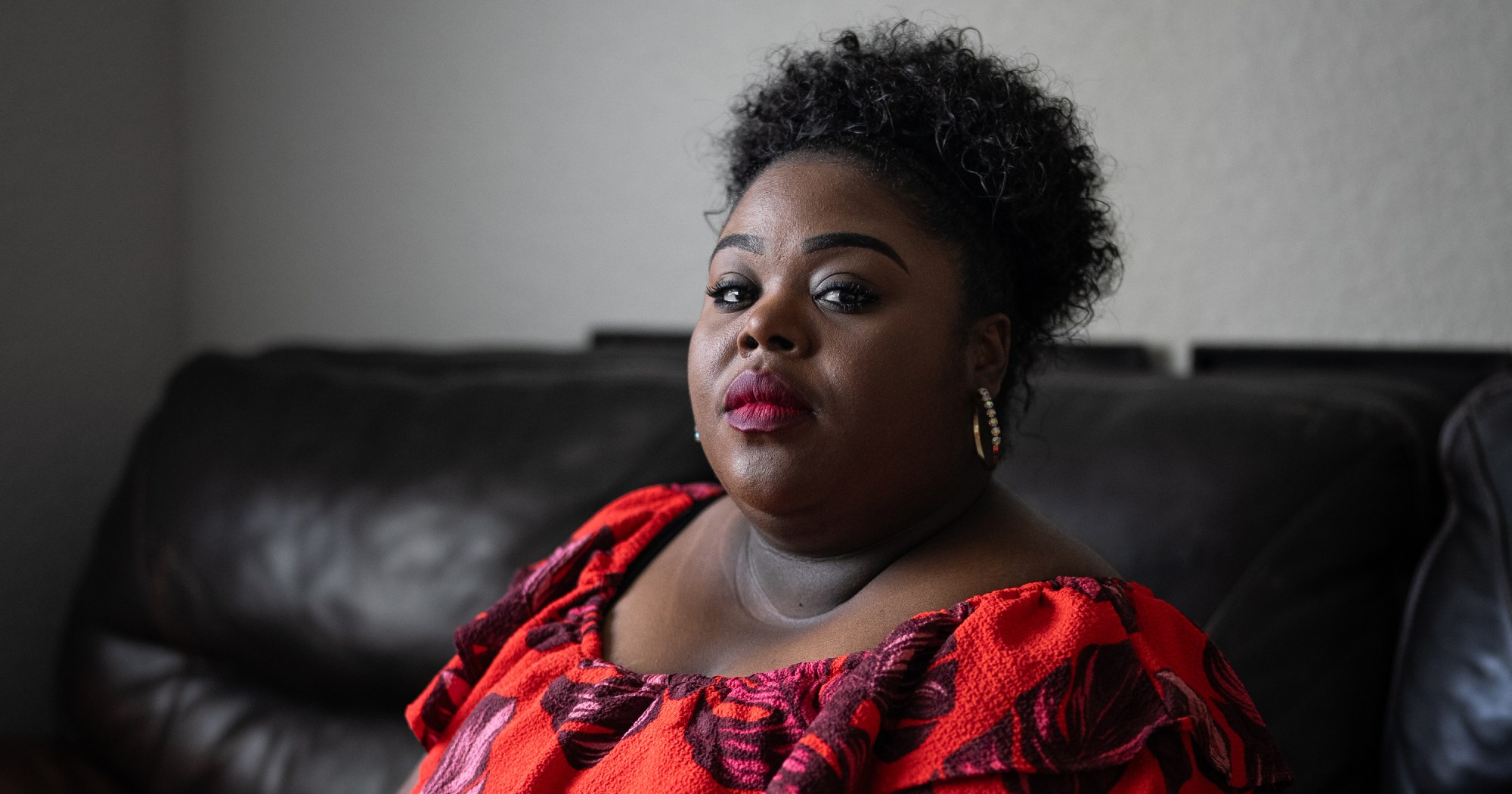
Reporting Highlights
- Unequal Rights: Pregnant women in some states have fewer rights than other mentally competent adults to refuse medical treatment, including surgery.
- Constitutional Questions: The rise of fetal personhood policies has some legal experts worried about an increase in court-ordered medical care.
- Florida Disparities: Florida has gone further than other states to guarantee medical freedom for those who decline vaccines, but it also has restricted the medical freedom of pregnant women.
These highlights were written by the reporters and editors who worked on this story.
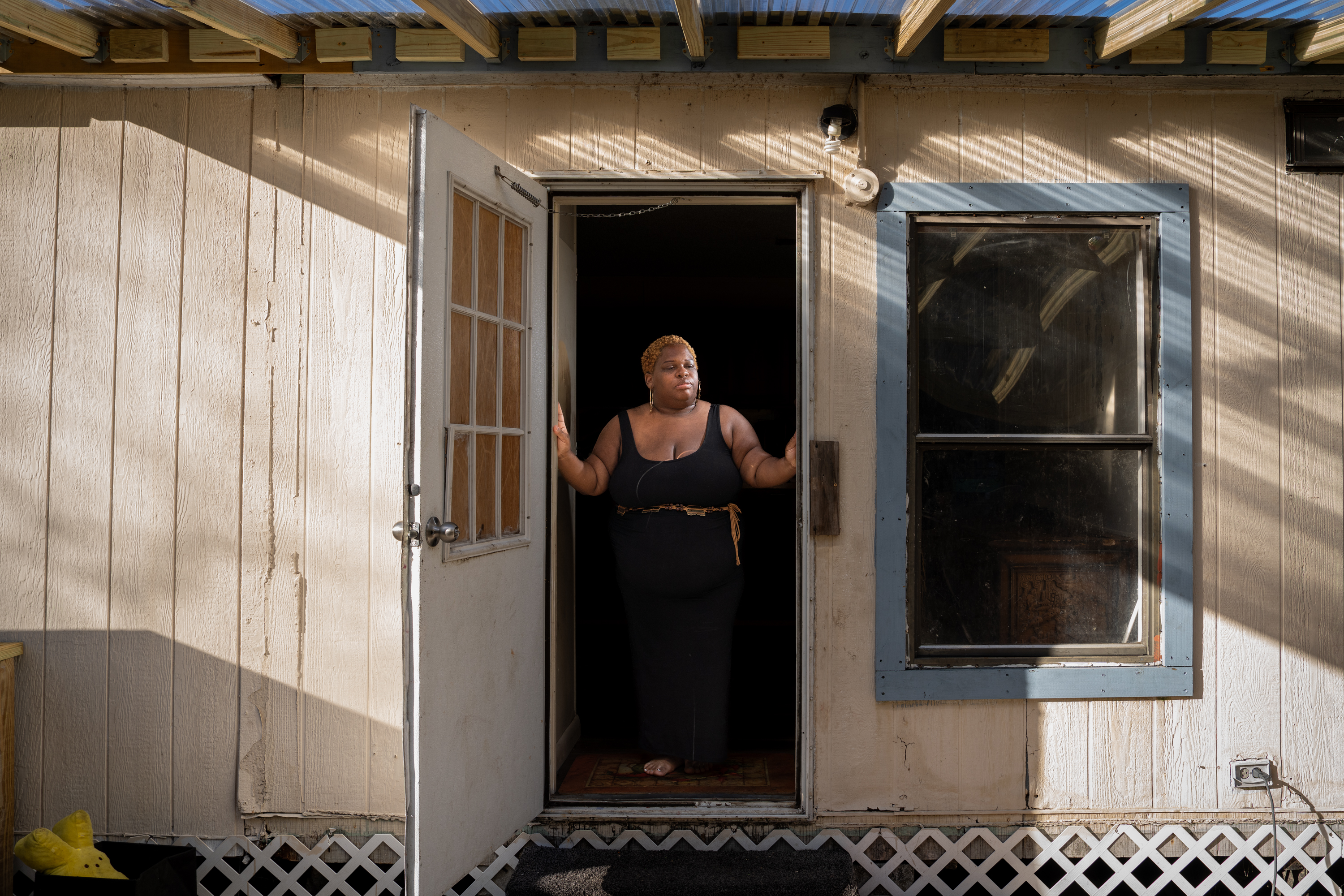
On the afternoon of Sept. 9, 2024, Cherise Doyley was in her 12th hour of contractions at University of Florida Health in downtown Jacksonville when a nurse came in with a bedsheet and told her to cover up. A supervisor brought a tablet to Doyley’s bedside. Gathered on the screen were a judge in a black robe and several lawyers, doctors and hospital staff.
“It’s a real judge in there?” Doyley asked the nurse at the beginning of what would be a three-hour hearing. “Now this is the craziest thing I’ve ever seen.”
Doyley hadn’t asked for the hearing. The hospital had sought it. Doyley had mere minutes to prepare. She had no lawyer and no advocate — no one to explain to her what, exactly, was going on.
Judge Michael Kalil informed her that the state had filed an emergency petition at the hospital’s behest — not out of concern for Doyley, per se, but in the interest of her unborn child. He described the circumstances as “extraordinary.”
The hospital and state attorney’s office wanted to force Doyley to undergo a cesarean section. Doyley, a professional birthing doula, didn’t want that and had been firm about it. She’d had three prior C-sections, one that resulted in a hemorrhage, and hoped to avoid another serious complication and lengthy recovery. She was aware that doctors were concerned about the risk of uterine rupture, a potentially deadly complication for her and her baby. She would say during the hearing that she understood the risk to be less than 2% and didn’t want to agree to a C-section unless there was an emergency.
But the choice would not be hers. The judge would decide how she would give birth.
Watch How a Court Hearing Was Convened in Cherise Doyley’s Hospital Room
Mentally competent patients typically have the right to choose their medical care — or refuse it. But there is one notable exception: pregnant patients. That inconsistency is particularly striking in Florida, a state that has pushed to expand medical freedom for those who wish to avoid vaccines or fluoridated water, while constricting the rights of people in various stages of pregnancy.
“There aren’t any other instances where you would invade the body of one person in order to save the life of another,” said Lois Shepherd, a bioethics expert at the University of Virginia School of Law.
In Florida and many other states, court-ordered medical procedures are just one of the ways pregnant patients’ rights are restricted. The effort to chip away at those rights is rooted in the concept of fetal personhood — that a fetus has equal and, in some cases, more rights than the woman sustaining it.
The link between fetal personhood and court-ordered C-sections dates back to the 1980s, when courts started ruling that hospitals can override patients’ decisions in favor of the health of unborn children.
In the years since, proponents of fetal personhood began to push for even broader legal protections. In 1986, Minnesota was the first state to recognize fetuses as victims in homicide cases. Some states have imprisoned pregnant women for exposing their fetuses to drugs. Nearly 30 states have passed laws that allow hospitals to invalidate pregnant patients’ advance directives, which outline the kinds of life-sustaining treatment a person wants after a catastrophic illness or accident. At least one, Alabama, extended the concept of personhood all the way to the earliest stages of fertilization and conception by giving frozen embryos the same legal status as children, though the Legislature later said the law couldn’t be enforced.
And the fetal personhood movement has accelerated in the past several years, supercharged by the U.S. Supreme Court decision to reverse the abortion rights that had been protected by Roe v. Wade.
Florida has long been at the forefront of fetal personhood policies. The state was one of the first in the country to prosecute a woman for “delivering” drugs to her fetus during pregnancy in 1989, although the Florida Supreme Court later overturned her conviction. And after advocates twice failed to get a fetal personhood amendment on the state ballot, the Legislature is now considering a bill that would enshrine the concept in state law by giving embryos and fetuses the same legal status as people in wrongful death suits.
For women in labor, the potential impact of the bill is clear: Experts anticipate their medical needs could be further diminished in favor of the fetuses’.
Several legal experts told ProPublica they are alarmed by Doyley’s case and the legislation’s potential to allow for more court interventions during childbirth. Lawyers who represent women in fetal personhood cases already have identified a higher number of forced C-sections in Florida than other states.
The state attorney’s office for the 4th Judicial Circuit declined to comment on Doyley’s case, saying a response would violate her medical privacy. But in an email, a spokesperson noted why, in general, the office would intervene: “The courts have held that the State has a compelling interest in the preservation of the life of an unborn child and the protection of innocent third parties who may be harmed by the parental refusal to allow or consent to life-saving medical treatment.”
C-sections account for nearly a third of all deliveries in the United States. They can be necessary when babies are breech, or in the wrong position for birth, as well as in cases of maternal or fetal emergency. But in other cases, such as slow laboring or prior C-sections, the need for the surgery is less clear.
Surveys have found that more than 10% of women feel pressured into C-sections and other procedures by doctors worried about injuries to the baby. Patients generally don’t challenge doctors who say they’re necessary, and it is uncommon for someone to hold out and for the hospital to turn to the courts.
It is so rare, in fact, that advocates for the rights of pregnant women were shocked to discover that the same thing that happened to Doyley had happened to another Florida woman just a year and a half earlier.
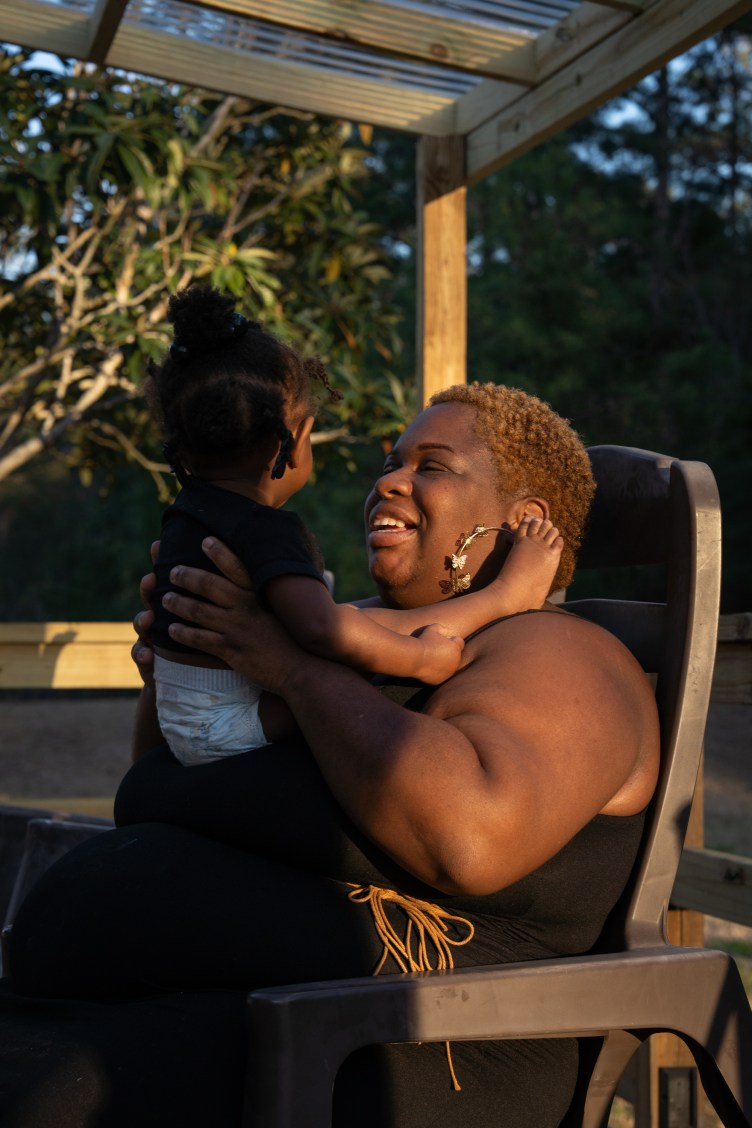
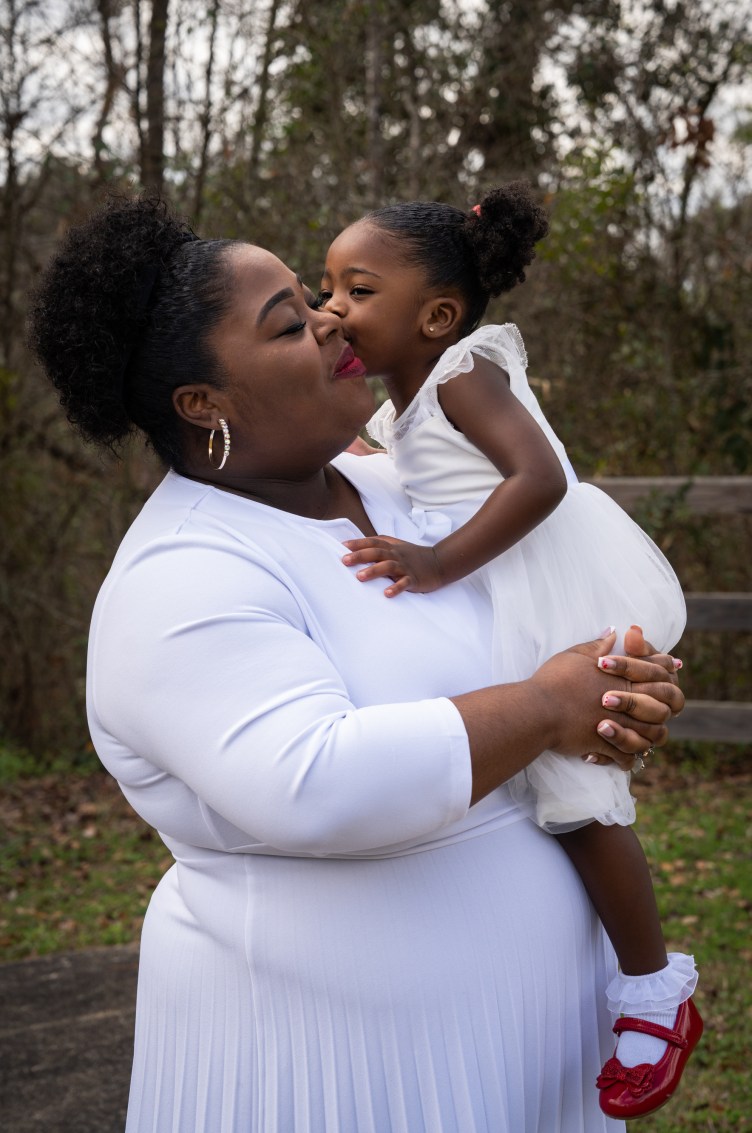
The similarities in their cases were striking. Both women had three prior C-sections. They had questioned the need for their previous surgeries and arrived prepared to fight for vaginal births. And both women are Black.
They had argued that compelling them to have C-sections violated their rights to make medical decisions. Hospital staff said their medical decisions threatened the health of the fetus. It would be up to the courts to decide which one mattered more.
Asked to consider the constitutionality of court-ordered C-sections, the U.S. Supreme Court declined in 1994, leaving a patchwork of decisions that vary by state.
In the early 1980s, a hospital in Georgia won a court order to force a woman with a dangerous pregnancy complication to have a C-section. Then, in 1987, a judge in Washington, D.C., approved a request to perform surgery on a pregnant woman dying from cancer without her consent. Later, a higher court reversed that ruling and held that hospitals should not override medical decisions. An Illinois appellate court in 1993 refused to order a woman to undergo a C-section.
Not long after, a patient named Laura Pemberton, who did not want a C-section, left a hospital in Tallahassee, Florida, against medical advice. A local judge sent law enforcement to her house to bring her back. Once she returned to the hospital, the judge ordered her to have a C-section, which doctors carried out. She later sued in federal court and lost. The 1999 decision by a federal district judge found that the state had a right to override her wishes.
“Whatever the scope of Ms. Pemberton’s personal Constitutional rights in this situation, they clearly did not outweigh the interests of the State of Florida in preserving the life of the unborn child,” the decision said. The decision marked a legal turning point in prioritizing fetal rights over the religious freedom and bodily autonomy of the mother.
In 2009, Samantha Burton arrived at the same hospital at 25 weeks pregnant, after going into premature labor. Doctors told her she needed to remain on bed rest, but she wanted to leave and go home to her children. The hospital got a court order for her to remain in the hospital and undergo any treatment doctors deemed necessary to save the fetus. She had an emergency C-section, and the baby was stillborn.
She appealed the ruling granting the emergency order, and a Florida appeals court ruled in her favor. They said the circuit judge should have required the hospital to prove the baby was viable before imposing unwanted treatment, but the court stopped short of saying it was unacceptable to override the medical decisions of pregnant women in all situations.
Pregnancy is the only condition where Florida courts have ruled that a patient can be forced to undergo unwanted treatment. Even a state prisoner on a hunger strike has more rights to make medical decisions.
Those rulings give the state vast control over pregnant women.
“All of it essentially is about the state’s ability to decide that a fetus, at any point during a pregnancy, is more important than the person who’s pregnant,” said Rutgers University law professor Kimberly Mutcherson.
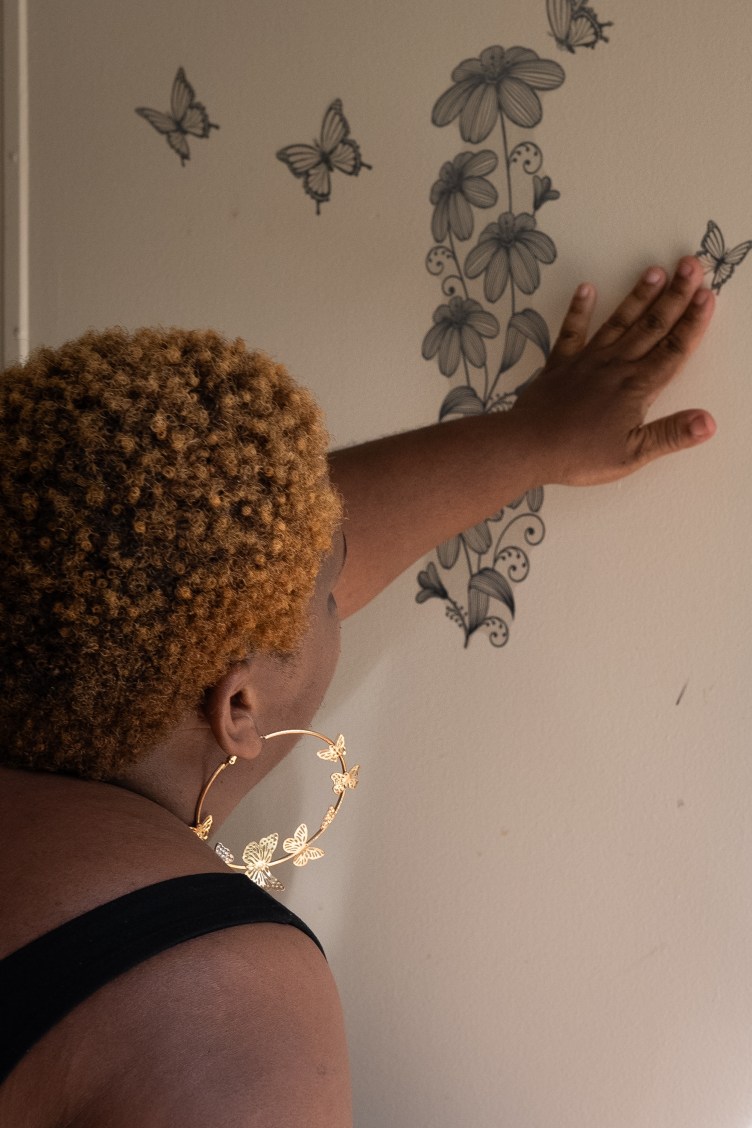


In March 2023, more than a year before Doyley’s court-ordered C-section, Brianna Bennett arrived in labor at Tallahassee Memorial Hospital — the same hospital where the women in the 1999 and 2009 lawsuits had given birth.
Over the preceding years, Bennett had come to question the medical reasoning behind her three prior C-sections. Each recovery had been harder than the last, leaving her so incapacitated after the third that for two weeks she couldn’t even go to the bathroom without help.
At the time Bennett went into labor with her fourth, her mother’s hip problems had gotten so bad that she needed a wheelchair and required some help from Bennett to function. Bennett did not think she could care for all her family members while in recovery from abdominal surgery, so she insisted on trying for a vaginal birth.
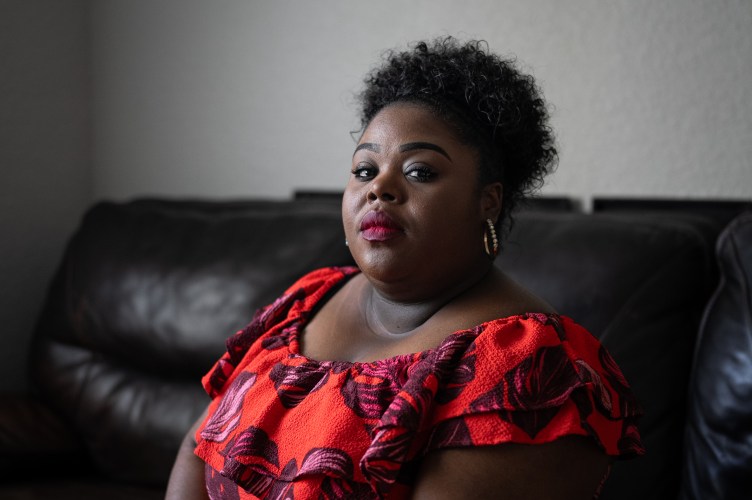
Tallahassee Memorial Hospital had specialists on staff and a neonatal intensive care unit equipped to serve critically ill babies. Bennett believed it offered the kind of support she needed to be able to follow her birth plan. The hospital has handled a lot of high-risk pregnancies.
As Bennett’s labor stretched past 24 hours, a doctor confronted her about agreeing to a C-section, Bennett said. She continued to refuse, so the hospital reached out to the state attorney. In an email, Jack Campbell, state attorney for the 2nd Judicial Circuit, responded that the court needed to act quickly.
“I plan to file an emergency motion with the Court to allow TMH to take whatever steps medically necessary to protect the life of the child and mother,” he wrote.
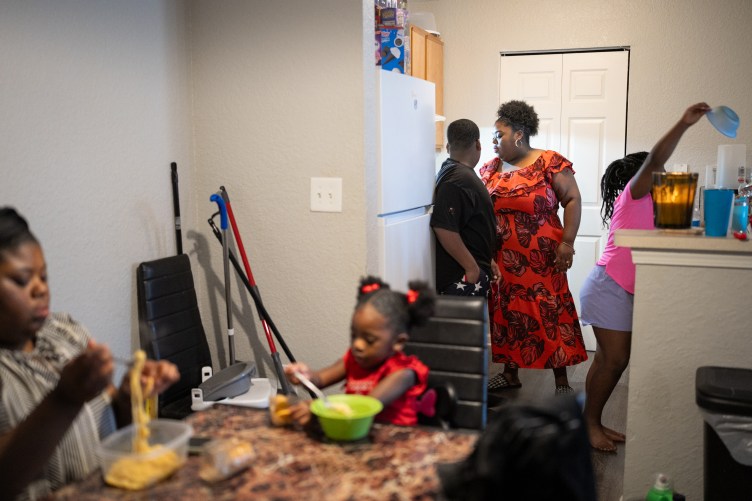
During the hearing, 15 to 20 people squeezed into Bennett’s hospital room. As would later happen with Doyley, she found herself in front of a tablet with a judge on the screen.
Bennett said she found it offensive that so many people were concerned about the method of her delivery without taking into consideration how difficult it would be to take care of both herself and her baby while recovering from a C-section. “Are any of you gonna help me bathe or shower? Are you gonna help change my pad? Are you gonna help lift the baby out of the bed and put me in the bed because I can’t lift my legs? Is anyone going to help me?”
Campbell told ProPublica that he felt the hearing was necessary to save two lives, Bennett’s and her baby’s. “I’m real comfortable with what we did here,” Campbell said. “I hate the fact that she’s upset about it.”
A spokesperson for Tallahassee Memorial Hospital declined to comment on Bennett’s case, even though she signed a waiver allowing the hospital to do so. “We will not be able to discuss specific patients or cases,” the spokesperson wrote in an email. The hospital did not respond to questions about its history of seeking court intervention in multiple women’s medical decisions while giving birth.
Bennett said she tried to remain calm, but inside she was panicking. During the hearing, her baby’s heart rate spiked. The judge ordered her to have a C-section, and doctors wheeled her into surgery. The operation lasted two and a half hours and the surgical team had to cut around existing scar tissue and avoid her bladder. Her incision looked like an upside-down T and required a wound vac, a portable machine that helps incisions close more quickly.
She said a doctor who visited her room during recovery told her she should never get pregnant again, according to a civil rights complaint filed with federal regulators.The complaint is still under investigation, but lawyers for Bennett said they haven’t heard from investigators in more than a year. The U.S. Department of Health and Human Services did not comment on the complaint.
“I cried every single day,” Bennett said. “I felt like I was supposed to be happy. I’m supposed to be thankful that I have a new life and that the Lord has blessed me to see this new baby. And I’m not even happy.”

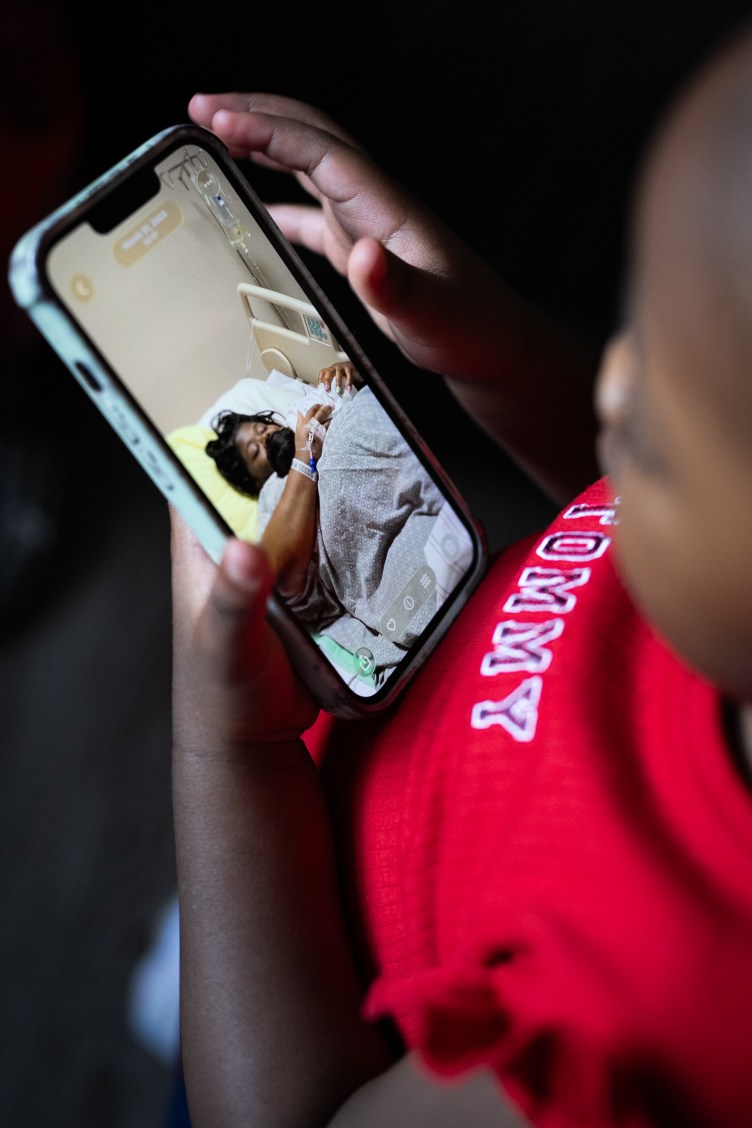
A year and a half later in Jacksonville, Doyley faced a situation eerily similar to Bennett’s.
She noted as her hearing began that she was the only Black person on the screen. About a dozen faces, most of them white, had gathered to challenge her medical decisions. She said it made her feel as if her race had something to do with the fact that she was thrust into the intrusive hearing.
“I have 20 white people against me, and because I am informed and I am making an informed decision, they are trying to take my rights away from me by force,” Doyley told the people on the screen, requesting a Black nurse or doctor.
“I don’t find that race really has much to do with this, ma’am,” the judge responded.
Dr. Erin Burnett said during the hearing that she did not think Doyley could successfully give birth vaginally because she had a history of stalled labors. A long labor after prior C-sections could increase the risk of uterine rupture, which could kill Doyley and the child, she said.
She said the baby’s heart rate showed some signs of distress and told Doyley it would be better to have a C-section before it became an emergency. If the baby’s heart stopped or if she lost oxygen during delivery, the baby could suffer a brain injury or death.
Dr. John Davis, the chair of the obstetrics and gynecology department, testified that the hospital had been recognized for its low C-section rate and did not perform unnecessary surgeries. Doyley’s condition required intervention, he said.
Burnett and Davis did not respond to requests for comment, and the hospital declined ProPublica’s requests to interview them and others involved in Doyley’s care. Doyley signed a waiver allowing the hospital to discuss her case with ProPublica, but a spokesperson for University of Florida Health in Jacksonville would not comment, citing patient privacy. Nor did the hospital respond to questions about Doyley’s claim that race played a role in the decision to involve the court.
The research on the risks of uterine rupture after prior C-sections is unclear. Studies have found that 0.15% to 2.3% of these labors resulted in a rupture, depending on a number of factors such as body mass, a history of successful vaginal births and whether the labor was spontaneous or had to be induced.
Doyley, who felt comfortable with her odds and wanted to continue laboring, argued during the hearing that C-sections carry their own dangers — including a risk of death.
“A lot of that comes from medical negligence and medical racism, where we have a group of white doctors that think that they know what is best for Black bodies and Black babies,” Doyley said in the hearing.

Both the doctors and Doyley mentioned recommendations from the American College of Obstetricians and Gynecologists. However, neither one cited the organization’s stance on court-ordered C-sections, which the group has deemed to be “ethically impermissible.”
After three hours of testimony — all while Doyley lay in her hospital bed — the judge ruled that she could keep laboring unless there was an emergency. If that happened, the hospital could operate, whether she wanted it or not. The judge would reconvene the hearing in the morning.
In response to questions from ProPublica, Kalil wrote in an email that the judicial code of conduct prohibits judges from commenting on cases. “These ethical standards exist to protect the integrity of the judicial process, ensure fairness to all parties, and preserve the Court’s neutrality,” he wrote.
Overnight, doctors said the baby’s heart rate dropped for seven minutes. Doyley woke to her hospital bed being wheeled into surgery. She called out to her sister who was asleep in the hospital room.
“I had to tell her, ‘Hey, wake up,’” Doyley said. “‘Something is going on.’ She’s trying to put on her shoes. I’m like, ‘Girl, leave the shoes. Let’s go.’”
Doyley recalled reciting a short prayer as her sister scrambled into the operating room. The baby was delivered by C-section. Although Doyley’s daughter was initially limp, she perked up and became responsive within a few minutes. Doctors took her to the NICU while Doyley went to recover. And to get ready to face the judge again.
At the 8 a.m. hearing, Doyley looked pained and groggy. She told the judge she still hadn’t been allowed to see her daughter and asked if he could help. A doctor testified that the baby had been brought to the NICU in respiratory distress and placed on a continuous positive airway pressure machine to help with her breathing.
Kalil said he couldn’t order the hospital to do anything. The matter he had been appointed to hear involved only her unborn baby. He had no authority over the child in the nursery.
Kalil wished her well and quickly closed the case.
#Florida #Courts #Ordered #CSections #ProPublica